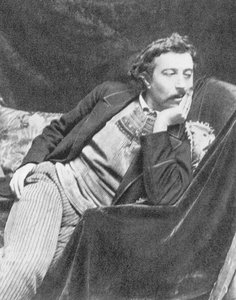
A Life Painted in Bold Strokes: The World of Paul Gauguin
Eugène Henri Paul Gauguin, meno známy ako Gauguin, je jednou z najvýznamnejších figúr prechodového obdobia od impresionizmu k modernému umeniu. Narodil sa v Paríži v roku 1848 a jeho život bol naozaj nekonvenčný. Jeho rané roky boli ovplyvnené zvláštnym výchovou – otec bol novinár, matka pochádzala z peruvianskej šľachty – jej matka, Flora Tristan, bola pionierkou feministky a socialistického spisovateľa, čím sa v rodine prenášali ideály, ktoré ovplyvnili Gauguinovu umeleckú vizi. Dôsledný pobyt v Peru ako dieťa po presídlení rodiny v roku 1850 ho vtiahol do sveta radikálne odlišného od parížskej spoločnosti – skúsenosť, ktorá zostala a nakoniec poháňala jeho hľadanie autenticity v umení. Po smrti otca sa vrátil do Francúzska, kde získal formálnu vzdelanost’, ale našiel sám seba viac prižímateľských záležitostiach ako akademickom svete, začal pracovať ako akcionár – cesta, ktorá sa zdala v rozpore s umeleckou osudovou cestou, ktorá ho čakala.
From Finance to Artistic Calling
Po mnoho rokov žil Gauguin dvojitý život, usilovne sa venoval svojim obchodným záležitostiam a tajne rozvíjal vášeň pre maľbu. Počiatok jeho vplyvu bol impresionistický – experimentoval s farbami a svetlom vo svojom slobodnom čase, ale brzy cítil obmedzenia ich oddanosť zachytávaniu mihotavých okamihov reality. Finančná kríza z roku 1882 však priniesla zvrat, ktorý ho donútil opustiť lukratívnu kariéru a s plným zápalom venovať sa umeniu. Nebolo to len zmena povolania; bolo to fundamentálna zmena v spôsobe myslenia. Hľadal vedenie od Camilleho Pissarra, ktorý mu odporúčil rozvoj a predstavil ho avantgardným kruhám Paríža. Gauguin však rýchlo začal divergovat’ od impresionistických princípov, túžil po niečom viac vyjadrovacom, viac symbolickom – prostriedku na prejavovanie nie len toho, *čo videl*, ale toho, *čo cítil*. Táto túžba ho viedla na cestu umeleckej explorácie, ktorá ho priviedla ďaleko za parížske salóny a do srdca „primitívnych“ kultúr. Nezaujímal sa len o zobrazovanie týchto kultúr; hľadal ich esenciu, veril, že obsahujú čistotu stratenú v západnej civilizácii.
The Call of Brittany and Tahiti
Gauguinova umelecká evolúcia bola neodmyslitelne spojená s jeho cestami. Trávil čas v Bretani, fascinovaný divokými krajinami a hlboko zakorenenej tradíciou jej ľudí. Táto éra priniesla experimentovanie s plochými formami, výraznými obryskmi a zjednodušením kompozície – techniky, ktoré ho priviedli ďalej od naturalizmu a bližšie k symbolickému jazyku. Ale jeho cesta do Tahiti v roku 1891 skutočne uvoľnila jeho kreatívny potenciál. Hľadajúc útočisko pred tým, čo považoval za obmedzenia európskej civilizácie, Gauguin dúfal v nájdenie inšpirácie v polynézskej kultúre, veril, že ponúka čistší, autentičnejší spôsob života. Nebolo to len umelecké úsilie; bolo to duchovné hľadanie. Ponoril sa do miestnych zvykov a vierovyraznosti, zobrazoval polynézskych žien, krajiny a náboženské praktiky prostredníctvom svojho jedinečného pohľadu. Vplyv japonských maľieb – *Japonisme* – a stredovekej umenia viedol k jeho charakteristickému estetike, ktorá sa vyznačovala bohatými farbami, exotickými témami a atmosférou záhady. Ikony ako
“Vahine no te miti” (Žena s mango),
“Manao Tupapau” (Pozri sa na duchovitého mŕtvého) a
“The Day of Gods vznikli v tomto období, upevňujúc jeho reputáciu ako vizionárskeho umelca. Jeho použitie farieb sa stalo čoraz bôrnejším a ne-prirodzeným, slúžiacim nie na replikovanie reality, ale na vyjadrovanie emócií a duchovného významu.
Legacy and Controversy
Hoci jeho umelecké pokroky boli úspešné, Gauguinove životy boli často poznačené ťažkosťami. Bojoval s finančnými problémami a zhoršujúcim sa zdravotným stavom počas pobytu v Tahiti a neskôr na markézskych ostrovoch, kde nakoniec usadil svoj domov. Napriek tomu pokračoval v maľbe nepretržite, neustále skúmal témy života, smrti a spirituality. Zomrel v roku 1903 na Hiva Oa, odľahlej ostrove v markézskej arhipelágu, vo veľkej miere neznáme pre svoj génius. Nebolo to až do jeho smrti, že Gauguinovo dielo začalo dostávať si zaslúženú uznanie. Dnes je oslavovaný ako kľúčová postava v rozvoji modernej umeleckej tvorby, ktorá spája impresionizmus a symbolizmus a odomňuje cestu pre trendy ako Fauvism. Jeho použitie farieb, zjednodušené formy a symbolické obrazy hlboko ovplyvnili umelcov ako Pablo Picasso, Henri Matisse a mnohých ďalších. Avšak Gauguin zostáva kontroverznou postavou vďaka aspektom jeho osobného života – najmä vzťahom s mladými polynézskymi ženami – ktoré sa stále diskutujú a interpretujú v svetle súčasných etických úvah. Napriek tomu je jeho umelecký prínos nepopierateľný a jeho dedičstvo inšpiruje umelcov a milovníkov umenia po celom svete. Bol skutočným inovatérom, rebélom, ktorý sa odvážil vyzvať konvencie a vytvoriť si vlastnú cestu, zanechal dielo, ktoré je takisto pútavé a záhadné ako samotný muž.
Key Influences & Artistic Characteristics
- Impressionism: Počiatok vplyvu na farby a svetlo, neskôr odmietnutý pre jeho zameranie na mihotavú realitu.
- Japonisme: Inšpirovalo ploché perspektívy, výrazné obrysy a dekoratívne vzory.
- Stredoveké umenie: Vplyv symbolického zobrazovania a odmietanie prísnej realizmu.
- Synthetism: Štýl vyvinutý Gauguinom, ktorý zdôrazňuje tvorbu umeleckých diel založených na subjektívnych skúsenostiach namiesto objektívneho pozorovania.
- Primitivism: Fascinácia ne-európskymi kultúrami, veril, že ponúkajú čistší a duchovnejší spôsob života. Toto sa odráža v jeho témach a štýle.



 Náhľad
 Kúpiť ručne maľovaný obraz
 Odoslať
 Zdieľať
 Podrobnosti o dielo

 Stiahnuť
 Podobné diela
 RTG skúška
 Prezentácia
 Štatistiky
 Zobraziť viac






































 Možnosť skla je dostupná len pri rozmeroch pod 110 cm