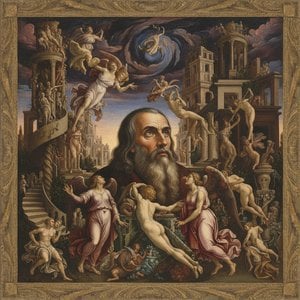
Doménikos Theotokópoulos – El Greco
Doménikos Theotokópoulos, známy ako El Greco – “grécki” – bol maliar, ktorého život a dielo vyvracalo ľahké kategorizovanie. Narodil sa v roku 1541 na ostrove Kreta, potom pod veneckou vládou, jeho umelecká cesta vedla cez Benátky a Rim pred tým, čo nakoniec našlo svoje posledné vyjadrenie duchovným srdcom Španielska: Toledo. El Greco nebol len produktom týchto miest; syntetizoval ich vplyvy do niečoho úplne unikátneho – štýlu, ktorý anticipoval emocionálnu intenzitu expresionizmu a fragmentované formy kubizmu storočia neskôr. Jeho skoré školenie v bizantickej tradícii zabezpečilo mu dôkladnú pozornosť detailom a hlboké porozumenie kresťanským ikonografickým obrazom. Toto základné porozumenie však nezabránilo jeho tvorbe rozšíriť svoje hranice. Podpisoval svoje práce grécky, často pripájač „Krḗs“ – Kretský – ako hrdý vyhlásenie svojich pôvodných zdrojov, dokonca keď vstupoval do nových umeleckých oblastí. Semienka jeho výnimočného štýlu boli zasadené nie len technikou, ale aj intenzívnym náboženským prostredím jeho domova a bohatým tapisériou veneckého umenia.
Od Benátok k Tokiolu: Transformácia
Presun do Benátok okolo roku 1567 predstavil zásadný okamih. Ponorený do živého umeleckého prostredia študoval El Greco majstrov – Titiana, Tintoretta, Veronese – získavajúc ich maestriu farieb, kompozície a dramatického osvetlenia. Naučil sa uvoľňovať štetcovú prácu, prijímať zmyselnosť olejovej maści a zobrazovať postavy s novým dynamickým pohybom. Tento venecký vplyv je viditeľný v skorších dielach ako *Svätý Sebastián* (1600), kde anatomický detail hladko prelína s témou dramatického osvetlenia a tieňov. Nasledujúci pobyt v Ríme vystavil ho manierizmu – štýlu charakterizovanému predlžovacími formami, deformovanými perspektívami a sofistikovanými kompozíciami. Hoci dokázal značnú talent, El Greco sa mu nepodarilo dosiahnuť široké uznanie v konkurenčnom rakúskom umeleckom svete. Jeho presun do Tokiola v roku 1577 konečne umožnil jeho jedinečnému zdaneniu rozvinúť svoju činnosť. Mesto, ktoré bolo potom centróm náboženského záujmu počas Kontrar reformácie poskytovalo obidve podporu a atmosféru vhodnú na jeho intenzívne duchovné maľby.
Štýl Odlišný od všetkých
El Grecoho umelecký štýl je okamžite rozpoznateľný – a úplne fascinujúci. Jeho postavy sú často dramaticky predĺžené, ich telo rozprestierané v pozíciách vyjadrujúcich duchovnú ekstáziu alebo hlbokú úzkosť. Nie ide o prostredné umelecké efektívnosť; je to pokus zobrazovať nepriame svetlá, ktoré sú mimo povrchu vecí. Mistrovsky využíval farby – nie nevyhnutne realistické farebné škály, ale živé, často nezvyčajné odtiene – aby zvýšil emocionálny dopad jeho diel. Dramatické osvetlenie, s ostrými kontrastami svetla a tieňov vytvára divadelný efekt, čím vtáča pozriteľa do srdca scény. Jeho obraz *Burial of the Count of Orgaz* (1586-1588) dokonalým príkladom týchto vlastností. Maľba zobrazuje zázračné udalosť – sestup svätých na kremovanie zbohatého muža – s pozoruhodným realistickým vyjadrením súčasných postav kontrastovaných s eterickými predlžovacími formami reprezentujúcimi Božie zásah. Používal bizantské tradície kombinované s talianskymi renesančnými technikami, čím vytvoril štýl, ktorý bol inovatívny a hlboko osobnostný. Jeho neskoršie práce sa stali intenzívne mystické, odrážajúce jeho vlastné hlboké náboženské presvedčenie a rastúci odstup od konvenčných umeleckých noriem.
Posledné roky života
El Greco zomrel v roku 1614 v Tokiole, kde získal významnú podporu od miestnej šľachty a kresťanských predstaviteľov. Jeho posledné roky boli plné tvorby a skúmania nových umeleckých smerov – čo bolo výsledkom jeho osobného záujmu o filozofické otázky a duchovno. Jeho posledné diela sú oslavou krásy prírody a ľudskej duše, vyjadrujúcím hlboké náboženské hodnoty a estetický cit. El Greco zomrel v pokoji, zanechávajúc po sebe bohatý umelecký odkázanie, ktoré pokračuje v fascinovaní pozorovateľov svojimi emocionálnymi silami a jedinečným umeleckým zdaním. Jeho obrazy nie sú len reprezentáciou kresťanských scén; sú okno do duše, dôkazom trvalej síly viery a oslavou ľudskej duše schopnosti transcendentovať hranice hmotného sveta.
## Významné diela
- Burial of the Count of Orgaz (1586-1588): Jeho nezvyčajný majetok, ktorý dokazuje maestriu El Greca kombinovanú s náboženským vyjadrením intenzity.
- View of Toledo (1596-1600): Dramatická krajina ukazujúca mesto v rozmaznanom atmosférickom štýle, zachytávajúcu jeho esenciou témou viditeľnou iba očami pozorovateľa.
- The Opening of the Fifth Seal (1608-1614): Část série inspirovaná knihou Apokalypse, ktorá dokazuje El Grecoho apokalyptické videnie a jeho maestriu kompozície.
- St. Sebastian (1600): Výrazný obraz svätého Jána Evanjelistu zobrazujúci anatomický detail kombinovaný s dramatickým osvetlením a emocionálnou intenzitou.



 Zobraziť v interiéri
 Prepnúť na tlač
 Odoslať
 Zdieľať
 Podrobnosti
 Príručka

 Stiahnuť
 Podobné položky
 RTG skúška
 Prehliadanie diapo\]
 Štatistiky


 Prečítať si viac






































 Možnosť skla je dostupná len pri rozmeroch pod 110 cm