BEZPLATNÉ UMENÍCKE PORADENSTVO

x
Kúpiť tlač Kúpiť tlačObjednať reprodukciu Objednať reprodukciu OdoslaťOdoslať
PodrobnostiPodrobnosti Pridať do obľúbených Pridať do obľúbených StiahnuťStiahnuť Podobné dielaPodobné diela RTG skúškaRTG skúška PrezentáciaPrezentácia

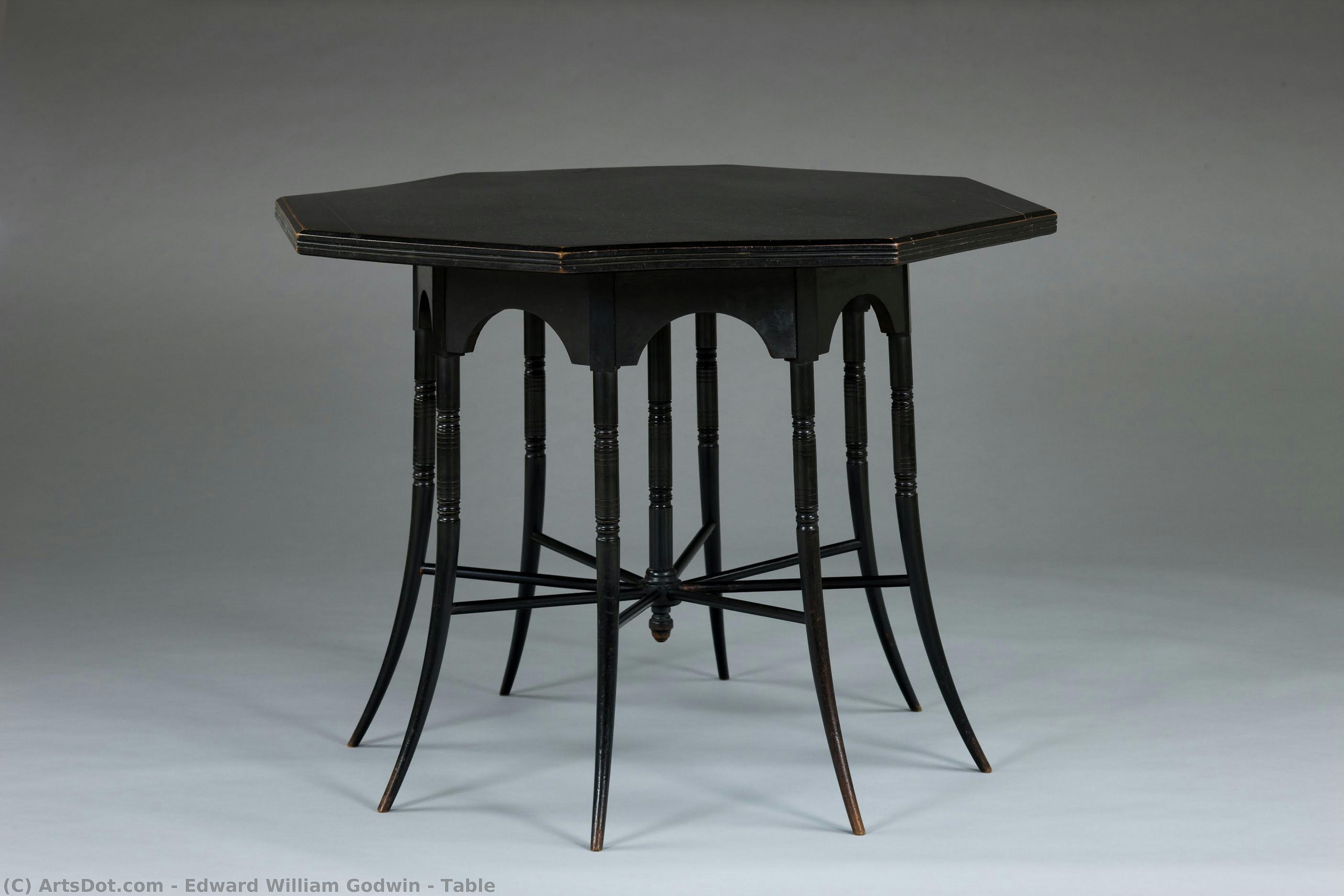
Table

Edward William Godwin (1833-1886): Pioniersky britský architekt a dizajnér. Spájal gotiku, estetizmus a japonský štýl, ovplyvňoval umelecké remeslá a divadelný dizajn. Známý pre inovatívne nábytok a teátrálne návrhy.

Kúpte si digitálnu snímku vo vysokom rozlíšení s vylepšenými detailmi, ktorá je oveľa kvalitnejšia než online náhľad.

Každý súbor starostlivo pripravujú naši interní špecialisti pomocou pokročilých nástrojov a odborného manuálneho retušovania. Zabezpečujeme, aby každý obrázok disponoval výnimočnou čistotou, presnou farebnou vernosťou a jemnými detailmi.

Konečný súbor vám bude doručený e-mailom do 72 hodín, optimalizovaný pre okamžité použitie v profesionálnom, redakčnom aj tlačovom prostredí. Ide o rovnakú kvalitu, ktorej dôverajú špičkové dizajnérske štúdiá, vydavateľstvá a galérie.

Digitálny obraz

Stiahnite si vysokorozlíšený súbor na osobné zobrazovanie, tlačenie a kreatívne projekty.

Celková cena

$9.99

Súčasťou každej objednávky digitálneho obrazu

Expetórne digitálne doručenie, garantované

Keď si vyberiete WahooArt.com, nedostávate len obrázok – získate profesionálne upravené digitálne umenie, vytvorené s precíznosťou a so zárukou vašej maximálnej spokojnosti. Tu je všetko, čo je súčasťou vašej objednávky automaticky:

shipping_icon
Rýchle doručenie e-mailom

Vaša vysokorozlíšená digitálna súprava obrázkov vám bude zaslaná e-mailom do 72 hodín od objednávky – pripravená na okamžité použitie.

canvas_icon
Digitálny súbor s vylepšením AI

Vaše dielo je profesionálne optimalizované pomocou pokročilých nástrojov umelej inteligencie a manuálnej editácie, čo zaručuje maximálnu úroveň detailov, čistotu a presnosť farieb.

insurance_icon
Bezplatné celoživotné opätovné doručenie

Náhodou ste zmazali alebo ste stratili svoj súbor? Nebavžte sa – pošleme vám ho kedykoľvek znova, úplne bez poplatkov.

tax_icon
Bez poplatkov za dovoz – navždy

Užite si svoje umelodelo okamžite bez colných poplatkov, daní alebo nákladov na dopravu – digitálne stiahnutia sú vždy oslobodené od dane.

color_icon
Garantovaná presnosť farieb

Pomocou profesionálnych nástrojov a farebného manažmentu zabezpečujeme, aby vaša digitálna fotografia čo najpresnejšie odrážala pôvodné farby.

return_icon
60-dňová záruka spokojnosti

Ak nebudete spokojní so svojou digitálnou fotografiou, upravíme ju alebo vám vrátime 100% v priebehu 60 dní – bez zbytočných otázok.

guarantee_icon
100% Záruka vrátenia peňazí

Nie ste spokojní? Získajte plnú náhradu peňazí do 60 dní od prijatia vášho digitálneho súboru – bez zbytočných otázok.

discount_icon
Zľavy pri veľkom odbere

Kúpte si 3 obrazy, ušetrite 10% - Kúpte si 5, ušetrite 15% - Kúpte si 10+, ušetrite 20%. Ideálne pre kreatívne projekty, galérie a agentúry.

Podobné diela


Životopis umelca

Edward William Godwin (1833 - 1886): Pioneering English Architect & Designer

Edward William Godwin, born in Bristol in 1833 and passing away in 1886, was a remarkably forward-thinking English architect and designer whose career spanned a period of intense stylistic transition. He wasn’t merely a participant in the Victorian aesthetic landscape; he actively shaped it, moving from the heavily ornamented “Ruskinian Gothic” favored in mid-Victorian Britain to embrace the burgeoning “Anglo-Japanese taste” that characterized the Aesthetic Movement. Godwin's influence resonates even today, subtly woven into the fabric of the Arts and Crafts movement which followed closely on his heels. His early successes included significant public commissions like the Guildhall in Northampton – a testament to his initial mastery of Ruskinian principles – and the Town Hall in Congleton, alongside restorative work at Dromore Castle in Limerick and Castle Ashby. These projects demonstrated a skill for reviving historical forms, but they were merely stepping stones towards a more radical vision. Godwin’s architectural training was largely self-directed, beginning with an apprenticeship to an engineer in Bristol before relocating to London around 1862 where he encountered the influential Gothic Revival designer William Burges. This encounter sparked a lifelong fascination with medieval costume, furniture and architecture, fueling his antiquarian interests.
  • Early Life & Training: Godwin’s formative years were marked by an upbringing steeped in intellectual curiosity and artistic aspiration. Raised in Bristol's affluent Merchant Class, he received his education at Exton School, Highbury, London—a privilege afforded to few of his peers—where he honed his drafting skills under the tutelage of William Armstrong, City Surveyor, Architect and Civil Engineer. This early exposure to engineering principles would prove invaluable as he embarked on a largely independent architectural journey.
  • Early Architectural Ventures: Godwin’s initial commissions included the Saint Johnston Church in County Donegal (Ireland) – a project that showcased his burgeoning talent for translating historical inspiration into tangible form—and the Town Halls of Northampton and Congleton, both imbued with Ruskinian Gothic grandeur. These buildings stand as enduring symbols of Victorian architectural ambition and represent Godwin's mastery of reviving medieval forms while simultaneously incorporating innovative decorative elements.
  • The Influence of William Burges & Ruskin: Godwin’s encounter with William Burges—a fellow devotee of Gothic Revival—proved transformative, igniting a lifelong passion for medieval architecture and costume design. Similarly, Godwin absorbed the profound ideas expressed in John Ruskin's *Stones of Venice*, which championed the harmonious fusion of form and function—principles that would permeate his subsequent architectural endeavors.
  • The Anglo-Japanese Aesthetic & Decorative Innovations: Godwin’s artistic vision extended far beyond traditional Gothic styles; he spearheaded the adoption of “Anglo-Japanese” aesthetics – a daring stylistic experiment that blended Eastern influences with Western sensibilities. Inspired by the opening of Japan to Western trade in 1854, Godwin sought to emulate the simplicity and elegance of Japanese design—a pursuit exemplified by his furniture designs for Dromore Castle and his own home from 1867 onwards.
  • Collaboration & Legacy: Godwin’s artistic collaborations spanned across disciplines – from theatre design with Ellen Terry and James McNeill Whistler to furniture craftsmanship and textile production—solidifying his position as a multifaceted innovator of his time. His enduring legacy resides not only in the magnificent buildings he erected but also in his pioneering spirit—a willingness to challenge conventions and embrace new influences that profoundly shaped the trajectory of modern design, establishing him as one of the foremost figures of Aestheticism and influencing subsequent generations of architects and artists.
Oscar Wilde famously described Godwin as “one of the most artistic spirits of this century,” encapsulating his profound impact on Victorian culture.
Edward William Godwin

Edward William Godwin

1939 - 1886 , Spojené kráľovstvo

Základné informácie

  • Artistic Movement Or Style: Anglo-Japanese, Ruskinian Gothic
  • Artists Or Movements Influenced By This Artist: ['Arts and Crafts Movement']
  • Artists Who Influenced This Artist: ['William Burges']
  • Date Of Birth: 1833
  • Date Of Death: 1886
  • Full Name: Edward William Godwin
  • Nationality: Británsky
  • Notable Artworks:
    • Guildhall, Northampton
    • Town Hall, Congleton
  • Place Of Birth: Bristol, UK