
BEZPLATNÉ UMENÍCKE PORADENSTVO


x


 Kúpiť tlač Kúpiť digitálnu verziu
 Odoslať
 Details
 Pridať do obľúbených
 Stiahnuť
 Podobné diela
 X-Ray
X-Ray
 Prezentácia
 Oil On CanvasWallArtVorticism
 1931
1931 51.0 x 61.0 cm
 Leeds Art Gallery
Ručne maľovaný olej na plátne vo vašej zvolenej veľkosti a v ráme, vyrobený na mieru našimi umelcami.





























Vyberte si z našich preddefinovaných rozmerov, ktoré zodpovedajú pôvodným pomeroḿ diela.

Môžete zadať vlastné rozmery tak, aby sa hodili do konkrétneho rámu alebo priestoru. Ak sa váš zvolený rozmer nezhoduje s pôvodnými proporciami obrazu, dielo buď orezáme, alebo ho doplníme ručne maľovanými prvkami. Pred začiatkom výroby vám zašleme digitálny náhľad na schválenie.
Upozorňujeme, že ukážka na obrazovke neodráža skutočné orezanie alebo doplnenie. Skutočnú finálnu kompozíciu zobrazuje iba digitálny náhľad.
Hoci sú k dispozícii vlastné rozmery, odporúčame vybrať rozmer z preddefinovaného zoznamu, aby sme zachovali pôvodné proporcie.
Celosvetová doprava () za 3 až 4 týždne namiesto štandardných 5 týždňov. (1 júl). Bez kompromisov v kvalite.


Composition on a Red Ground
Veľkosť reprodukcie
Edward Alexander Wadsworth’s “Composition on a Red Ground,” painted in 1931, isn't merely a depiction of color; it’s an invitation into a realm where geometric forms coalesce with profound emotional resonance. This work, residing within the broader context of Vorticism and early abstraction, stands as a testament to Wadsworth’s evolving artistic vision – a journey from representational landscapes to a powerfully expressive exploration of shape and hue. The painting immediately commands attention through its bold simplicity: a vast expanse of crimson punctuated by a striking blue structure that dominates the composition. Yet, beneath this apparent austerity lies a complex interplay of visual elements, inviting prolonged contemplation.
Wadsworth’s stylistic journey is particularly evident in this piece. Initially influenced by the Impressionist movement and later drawn to the dynamism of Cubism and Futurism, he synthesized these influences into a distinctly personal aesthetic. The painting's foundation rests upon a deliberate rejection of naturalistic representation. Instead, Wadsworth employs flattened planes of color and simplified geometric shapes – circles, squares, and triangles – creating an effect reminiscent of both Japanese woodblock prints (a significant source of inspiration for the Vorticist movement) and the pioneering work of Piet Mondrian. The blue structure, a monumental yet subtly ambiguous form, seems to float within this red field, its edges dissolving into the surrounding color, suggesting a sense of instability and dynamism.
Color plays an absolutely crucial role in “Composition on a Red Ground.” The deep, saturated red isn’t simply a background; it's an active participant in the composition. It pulsates with energy, creating a sense of depth and movement through subtle variations in tone. The blue structure, conversely, offers a cool counterpoint to the warmth of the red, establishing a visual dialogue between opposing forces. This careful orchestration of color isn’t merely decorative; it's integral to the painting’s emotional impact. The deliberate lack of shading or detail further emphasizes the importance of color and form in conveying meaning.
Furthermore, Wadsworth masterfully utilizes negative space – the areas *around* the shapes – to create a sense of balance and harmony. The carefully considered placement of the blue structure within the red field allows for an almost meditative quality, inviting the viewer to lose themselves in the interplay of geometric forms. The subtle variations in the color of the red itself—shifts from deeper burgundy to lighter rose tones—add another layer of complexity and visual interest.
Understanding “Composition on a Red Ground” requires considering its historical context within the Vorticist movement, which emerged during the early years of the 20th century. Vorticism sought to capture the dynamism and energy of modern life through abstract forms and bold colors – a reaction against the perceived stagnation of traditional art. Wadsworth’s work embodies this spirit, reflecting the era's fascination with technology, speed, and industrialization. The blue structure itself can be interpreted as representing a machine or a building—a symbol of the rapidly changing urban landscape.
Interestingly, the painting also echoes the influence of Paul Gauguin’s “Vision After the Sermon,” which Wadsworth admired for its exploration of spiritual themes through simplified forms and vibrant colors. While "Composition on a Red Ground" lacks the overt religious symbolism of Gauguin's work, it shares a similar interest in conveying profound emotions through abstract means. The painting evokes feelings of both tension and serenity—a reflection of the complexities of modern life.
“Composition on a Red Ground” is more than just a visually striking artwork; it’s a powerful meditation on form, color, and emotion. Its enduring appeal lies in its ability to resonate with viewers on a deeply intuitive level. Whether displayed in a contemporary art gallery or incorporated into a sophisticated interior design scheme, this painting offers a unique opportunity to engage with the spirit of modern abstraction and experience the beauty of pure geometric composition. Reproductions capture much of the original’s impact, offering a window into Wadsworth's innovative vision.


1889 - 1949 , Spojené království

Ponorte sa do sveta Kazimir Maleвича a jeho 25 ikonických diel. Objavte príbeh suprematizmu, abstraktného umenia a geometrických foriem. Reprodukcie obrazov pre váš interiér na WahooArt.com – kvalita múzejnej úrovne.

Explore Orphism, the vibrant abstract art movement pioneered by Robert & Sonia Delaunay. Discover its unique color theory, lasting influence on modern art, and how to bring this 'symphony of color' into your home with WahooArt.
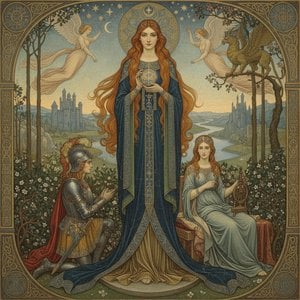
Discover the enchanting world of Edward Burne-Jones and the Pre-Raphaelite Brotherhood. Explore his mythical paintings, distinctive style, and lasting influence on Victorian art & the Aesthetic Movement. Expert analysis & high-quality reproductions at WahooArt.

Explore the evolution of geometric abstraction from Cubism to contemporary art. Discover key artists like Malevich & Mondrian, investment insights, and expert collecting advice at WahooArt.

Explore the captivating world of geometric abstraction! Discover its origins, key artists like Malevich & Mondrian, and why this movement remains highly valued by art collectors today. Expert insights at WahooArt.


Zostaňte v obraze s najnovšími správami zo sveta umenia, exkluzívnymi ponukami a nápormi na dekoráciu.
Povedzte nám o svojom projekte a naši odborníci na umenie vám pripravia 3 personalizované návrhy umeleckých diel.
Nechajte si od nás vybrať 3 možnosti priamo pre vás – zadarmo!
 Zdieľať








 Zobraziť viac informácií
 Možnosť skla je dostupná len pri rozmeroch pod 110 cm


