Zobraziť v interiéri Náhľad v AR Objednať ručne maľovanú reprodukciu Prepnúť na digitálnu verziu obrazu Odoslať
Podrobnosti Príručkovo Pridať do obľúbených Stiahnuť Podobné položky RTG skúška Prehliadanie diapo\] Štatistiky

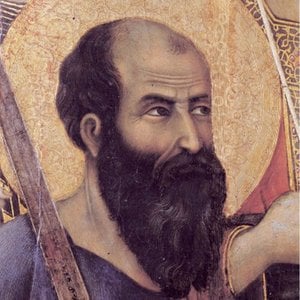
Polyptych No. 28

Experience the luminous Gothic beauty of Duccio di Buoninsegna's Polyptych No. 28, a masterpiece of Sienese tempera on wood that captures divine grace and invites you to bring this medieval spiritual vision into your home.

Duccio di Buoninsegna (1255-1319) bol významný taliansky maliar, zakladateľ sienskej školy. Jeho diela, ako Maestà a Rucellajská Madona, sú príkladmi gotického umenia s výraznou ľudskosťou a inovatívnymi prvkami.

Giclée / Umenotlač

Giclée tlač alebo plátno múzeálnej kvality s rýchlou výrobou a rôznymi možnosťami povrchovej úpravy. ( Objednať ručne maľovanú reprodukciu Prepnúť na digitálnu verziu obrazu)

P118B $10
P118H $10
P118W $10
P438Z $10
P508JH $12
P508YH $12
P805H $10
P805Z $10
P919BZ $10
P919G $10
P919XJ $10
P959ZH $10
P968JZ $12
W106C $8
W218G $10
W218JH $8
W218Y $10
W307PJ $10
W316G $10
W316PJ $8
W316Y $10
W398PJ $8
W4111J $10
W500HY $15
W500JH $15
W692G $12
W849H $8
W940BG $15
W953PJ $8

Štandardné rozmery
na mieru
CM
INCH

Vyberte si z našich preddefinovaných rozmerov, ktoré zodpovedajú pôvodným pomeroḿ diela.

šírka
výška

Môžete zadať vlastné rozmery, aby sa reprodukcia prispôsobila konkrétnemu rámu alebo priestoru. Ak zvolená veľkosť nebude zodpovedať proporciám originálu, dielo buď orežeme, alebo obraz rozšírime pomocou zrkadlenia či farebného doplnenia okrajov. Pred začatím výroby vám pošleme digitálnu ukážku na schválenie.
Máte na vedomí, že náhľad na obrazovke neodzrkadľuje skutočné orezanie alebo rozšírenie. Len digitálna ukážka presne zobrazí finálnu kompozíciu.
Hoci sú k dispozícii vlastné rozmery, pre zachovanie pôvodných proporcií odporúčame vybrať si rozmer z vopred definovaného zoznamu.

Celosvetová doprava () do 2 týždňov namiesto štandardných 4 až 5 týždňov. (24 september)

why_choose_icon
Bezplatná expresná doprava po celom svete
why_choose_icon
Vysokokvalitné lnianske plátno
why_choose_icon
Úplné poistenie prepravy
why_choose_icon
Záruka vrátenia colného poplatku
why_choose_icon
Záruka presného farebného zhodnutia
why_choose_icon
100-dená politika vrátenia tovaru (iba pri vadách)
why_choose_icon
100% záruka vrátenia peňazí
why_choose_icon
Ponuka množstevnej zľavy

Celková cena

$ 68

reproduction

Polyptych No. 28

Giclée / Umenotlač

Veľkosť reprodukcie

-

Celková cena

$ 68

Rýchle fakty

  • Year: 1300
  • Artistic style: Early Gothic
  • Dimensions: 128 x 234 cm
  • Subject or theme: Religious iconography
  • Title: Polyptych No. 28
  • Movement: Gothic
  • Influences: Byzantine art

Kvíz o umení

Pri každej otázke je iba jedna správna odpoveď.

Otázka 1:
What artistic movement is Duccio di Buoninsegna considered a pivotal figure in?
Otázka 2:
The Polyptych No. 28 depicts religious figures primarily associated with which faith?
Otázka 3:
What medium was used to create Polyptych No. 28?
Otázka 4:
Where is Polyptych No. 28 currently housed?
Otázka 5:
Duccio's style marked a significant departure from Byzantine art by emphasizing:

A Window into Medieval Faith: The Luminous Vision of Duccio

To stand before Duccio di Buoninsegna's Polyptych No. 28 is to step through a portal into the spiritual heart of the early fourteenth century. Housed within the prestigious Pinacoteca Nazionale in Siena, this monumental altarpiece is far more than a mere collection of religious panels; it is a profound meditation on the intersection of the divine and the human. Painted around 1300, the work captures a pivotal moment in art history when the rigid, golden stillness of the Byzantine tradition began to breathe with a newfound, tender humanity. Through his masterful use of tempera on wood, Duccio invites the viewer into a sacred space where every brushstroke serves to illuminate the theological depths of the Christian narrative.

The composition of this polyptych is a masterclass in narrative and spiritual hierarchy. At its very core, the artwork presents a moving depiction of Jesus Christ cradling Saint John the Baptist—a motif rich with symbolic weight, representing divine protection and the prophetic destiny of the infant saint. As the eye wanders across the five panels, one encounters a celestial assembly: figures of profound humility and contemplation flank the central mystery, while other panels depict saints and devotees in states of deep prayer. This arrangement does not merely display holy figures; it orchestrates a liturgical experience, guiding the observer from the intimate warmth of the Christ Child to the solemn, collective devotion of the faithful.

Technique and the Alchemy of Light

Duccio’s technical prowess is most evident in his ability to manipulate light to evoke the ethereal. Utilizing the meticulous technique of tempera on wood, he layered pigments to create a characteristic luminosity that seems to emanate from within the panels themselves. This method allowed for a subtle gradation of color, essential for his groundbreaking move toward naturalism. Unlike the flat, symbolic icons of the preceding era, Duccio’s figures possess a soft, sculptural presence. The delicate interplay of light and shadow on the drapery and skin tones lends a sense of weight and reality to the holy subjects, making the divine feel tangibly present within our earthly realm.

For the discerning collector or interior designer, the aesthetic appeal of this piece lies in its ability to command presence through both grandeur and grace. The shimmering gold leaf, often used in such Sienese masterpieces, provides a regal backdrop that catches the light, making it an extraordinary focal point for any space dedicated to contemplation or sophisticated classical decor. The artwork embodies a transition from the stylized to the soulful, offering a visual richness that remains as captivating today as it was in the vibrant, incense-filled atmosphere of medieval Siena.

A Legacy of Emotional Resonance

Beyond its technical brilliance, Polyptych No. 28 resonates because of its profound emotional intelligence. Duccio was a pioneer of the Sienese School, an artist who dared to infuse sacred iconography with human emotion. In the gentle tilt of a head or the solemn gaze of a kneeling saint, we see the dawn of a more intimate connection between the viewer and the divine. This shift toward humanism—the idea that the holy can be understood through human feeling—is what gives this polyptych its enduring power.

Owning or displaying a high-quality reproduction of such a masterpiece allows one to bring this historical bridge into a modern setting. It serves as a reminder of a time when art was the primary language of the soul, offering an atmosphere of peace, reverence, and timeless beauty. Whether viewed as a historical document of the Gothic era or as a stunning example of Italian mastery, Duccio’s work continues to inspire awe, making it a cornerstone for any collection celebrating the evolution of Western art.


Biografia umelca

The Sienese Luminary: Duccio di Buoninsegna and the Dawn of a New Italian Vision

Duccio di Buoninsegna, born in Siena around 1255, stands as a pivotal figure bridging the stylistic chasm between the Byzantine world and the burgeoning artistic sensibilities of Italy. While biographical details remain frustratingly scarce—the man himself often obscured by the brilliance of his art—his impact on the Sienese School and the trajectory of Italian painting is undeniable. He emerged during a period where religious iconography was deeply entrenched, yet a yearning for greater naturalism and emotional resonance was beginning to stir within artistic circles. Duccio wasn’t merely a painter; he was an innovator who dared to infuse sacred narratives with human feeling, subtly shifting the focus from rigid formality towards a more intimate connection between the divine and the earthly realm. His early training remains somewhat mysterious, though speculation suggests possible influences ranging from Florentine masters to direct exposure to Byzantine artistry—perhaps even travels to Constantinople itself. Whatever his formative experiences, they coalesced into a unique style that would define an era.

A Synthesis of Tradition and Innovation

Duccio’s artistic development wasn't a sudden rupture with the past but rather a graceful evolution. His initial works were deeply rooted in Byzantine conventions: the lavish use of gold leaf to evoke celestial light, stylized figures possessing an ethereal quality, and a meticulous attention to religious symbolism. These elements are clearly visible in his early panels, demonstrating a profound respect for established artistic traditions. However, even within these established parameters, Duccio began to subtly introduce elements that foreshadowed his later innovations. He experimented with spatial arrangements, hinting at depth where flatness had previously reigned supreme. His color palettes, while still vibrant and rich—reflecting the opulence of Byzantine art—gained a newfound subtlety and harmony. More importantly, he started imbuing his figures with a nascent sense of humanity—a gentle curve of the mouth suggesting a smile, a slight tilt of the head conveying contemplation. This wasn’t a rejection of Byzantine ideals but a refinement, an infusion of life into what had often been static representations. He skillfully blended tradition and innovation, creating a style that was both reverent and remarkably fresh. His work represents a crucial step in the evolution of Italian painting, moving away from purely symbolic depictions towards more expressive and emotionally engaging portrayals of religious subjects.

Masterpieces of Faith and Artistry

Two works stand as testaments to Duccio’s genius: the *Rucellai Madonna* (1285) and, most famously, the *Maestà* (1308-1311). The *Rucellai Madonna*, commissioned for a chapel in Florence, marked a significant departure from conventional Byzantine iconography. It was intended to be displayed prominently, showcasing the artist’s skill and attracting attention. While still adhering to traditional forms—the Virgin Mary is depicted with serene grace, surrounded by an angel—its composition, spatial organization, and depiction of the Virgin Mary and Child demonstrated a greater sense of naturalism and a more intimate portrayal of the divine mother. But it was the *Maestà*—a monumental altarpiece created for Siena Cathedral—that truly cemented Duccio’s legacy. This sprawling masterpiece comprises numerous panels depicting scenes from the life of the Virgin Mary and Christ, each one a miniature work of art in itself. The Maestà is not merely a collection of paintings; it's a visual narrative, unfolding with breathtaking detail and emotional depth. Duccio’s mastery of light and shadow, his ability to convey complex emotions through subtle gestures, and his innovative use of perspective all converge in this single, awe-inspiring work. It represents the culmination of his artistic development, showcasing his technical skill and his profound understanding of religious symbolism. Beyond these monumental pieces, works like *Polyptych No. 28* demonstrate his continued compositional skill and meticulous attention to detail.

Influences and Development

Duccio’s artistic journey was shaped by a complex interplay of influences. His early training undoubtedly involved exposure to Byzantine art, particularly the rich iconography and vibrant colors of Constantinople. However, he also encountered the burgeoning artistic trends in Florence, where naturalism and perspective were gaining prominence. The influence of Simone Martini, a prominent Sienese painter, is often noted, as is that of the Florentine masters. Some scholars suggest Duccio may have even traveled to Paris, absorbing the latest developments in Gothic painting. This synthesis of Byzantine tradition, Florentine innovation, and potentially Parisian influences resulted in a uniquely Sienese style—one characterized by its elegance, refinement, and emotional intensity. His work represents a bridge between these diverse artistic currents, shaping the course of Italian painting for generations to come.

A Lasting Legacy: Shaping the Future of Italian Art

Duccio di Buoninsegna’s influence extended far beyond his lifetime. He revolutionized Italian painting, paving the way for the development of the Sienese School—a distinct artistic tradition characterized by its elegance, refinement, and emotional intensity. His emphasis on naturalism, spatial depth, and human emotion directly impacted subsequent generations of artists, influencing not only those within Siena but also painters in Florence and beyond. While Giotto is often credited with initiating the Renaissance style, Duccio’s contributions were equally crucial, laying the groundwork for the artistic innovations that would define the 14th century and beyond. Despite facing financial hardships during his life, Duccio’s artistic legacy endures. His masterpieces continue to inspire awe and admiration, serving as a powerful reminder of the transformative power of art. He helped define the Trecento art movement, leaving an indelible mark on the history of Western painting. Today, his works can be found in prominent museums worldwide, offering glimpses into a world where faith, artistry, and human emotion converged with breathtaking beauty.

Duccio di Buoninsegna

Duccio di Buoninsegna

1255 - 1319 , Taliansko

Rýchle fakty

  • Artistic Movement Or Style: Sieneská škola, Gotika
  • Artists Or Movements Influenced By This Artist: ['Sieneská škola']
  • Artists Who Influenced This Artist: ['Byzantská umenie']
  • Date Of Birth: c. 1255
  • Date Of Death: 1319
  • Full Name: Duccio di Buoninsegna
  • Nationality: Taliančania
  • Notable Artworks:
    • Maestà
    • Rucellajská Madona
  • Place Of Birth: Siena, Taliansko
Preskúmajte umelecká diela usporiadané podľa tém, štýlov a charakteristík.