NáhľadNáhľad AR náhľadAR náhľad Kúpiť ručne maľovaný obraz Kúpiť ručne maľovaný obrazPrepnúť na digitálny obraz Prepnúť na digitálny obraz OdoslaťOdoslať
Podrobnosti o dieloPodrobnosti o dielo Pridať do obľúbených Pridať do obľúbených StiahnuťStiahnuť Podobné dielaPodobné diela RTG skúškaRTG skúška PrezentáciaPrezentácia ŠtatistikyŠtatistiky

Ezechiel

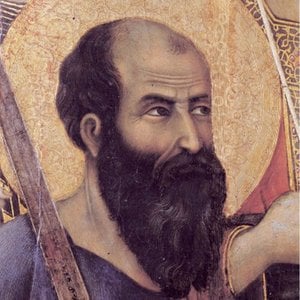
Objavte „Ezechiela“ od Duccia di Buoninsegna, úchvatnú panelovú maľbu raného renesančného obdobia. Obdivujte zlatú foliu, hierarchické meradlo a symbolický svitok v rámci dejín umenia Sieny.

Duccio di Buoninsegna (1255-1319) bol významný taliansky maliar, zakladateľ sienskej školy. Jeho diela, ako Maestà a Rucellajská Madona, sú príkladmi gotického umenia s výraznou ľudskosťou a inovatívnymi prvkami.

Giclée / Umenotlač

Giclée tlač alebo plátno múzeálnej kvality s rýchlou výrobou a flexibilnými možnosťami povrchovej úpravy. (Kúpiť ručne maľovaný obraz Kúpiť ručne maľovaný obrazPrepnúť na digitálny obraz Prepnúť na digitálny obraz)

P118B $10
P118H $10
P118W $10
P438Z $10
P508JH $12
P508YH $12
P805H $10
P805Z $10
P919BZ $10
P919G $10
P919XJ $10
P959ZH $10
P968JZ $12
W106C $8
W218G $10
W218JH $8
W218Y $10
W307PJ $10
W316G $10
W316PJ $8
W316Y $10
W398PJ $8
W4111J $10
W500HY $15
W500JH $15
W692G $12
W849H $8
W940BG $15
W953PJ $8

Štandardné
na mieru
CM
INCH

Vyberte si z našich preddefinovaných rozmerov, ktoré zodpovedajú pôvodným pomeroḿ diela.

šírka
výška

Môžete zadať vlastné rozmery, aby sa reprodukcia prispôsobila konkrétnemu rámu alebo priestoru. Ak zvolená veľkosť nebude zodpovedať proporciám originálu, dielo buď orežeme, alebo obraz rozšírime pomocou zrkadlenia či farebného doplnenia okrajov. Pred začatím výroby vám pošleme digitálnu ukážku na schválenie.
Máte na vedomí, že náhľad na obrazovke neodzrkadľuje skutočné orezanie alebo rozšírenie. Len digitálna ukážka presne zobrazí finálnu kompozíciu.
Hoci sú k dispozícii vlastné rozmery, pre zachovanie pôvodných proporcií odporúčame vybrať si rozmer z vopred definovaného zoznamu.

Celosvetová doprava () do 2 týždňov namiesto štandardných 4/5 týždňov. (13 september)

why_choose_icon
Bezplatná expresná doprava po celom svete
why_choose_icon
Prémiové lnianske plátno
why_choose_icon
Kompletné poistenie prepravy
why_choose_icon
Záruka vrátenia colného poplatku
why_choose_icon
Záruka presného farebného zhodnutia
why_choose_icon
100-dená politika vrátenia tovaru (iba pri vadách)
why_choose_icon
100% záruka vrátenia peňazí
why_choose_icon
Výhodná množstevná zľava

Celková cena

$ 68

reproduction

Ezechiel

Giclée / Umenotlač

Veľkosť reprodukcie

-

Celková cena za vybrané možnosti

$ 68

Základné informácie

  • notable elements: Scroll, gold leaf background
  • movement: Early Italian Renaissance, Sienese School, Trecento
  • title: Ezekiel
  • style: Flattened perspective, symbolic representation, rich color application, hierarchical scale, geometric lines and shapes
  • medium: Oil paint, gold leaf on wooden panel
  • artist: Duccio di Buoninsegna
  • influences: Byzantine art

Kvíz o umení

Pri každej otázke je iba jedna správna odpoveď.

Otázka 1:
To what artistic period does 'Ezekiel' by Duccio di Buoninsegna primarily belong?
Otázka 2:
What is a prominent material used in the creation of 'Ezekiel' that contributes to its sacred atmosphere?
Otázka 3:
The composition of 'Ezekiel' utilizes what technique to emphasize the importance of the central figure?
Otázka 4:
Based on the description, which best characterizes the painting’s spatial representation?
Otázka 5:
What symbolic object is held by the figure in 'Ezekiel', suggesting a connection to wisdom or teaching?

Vizia autority: Ducciov „Ezechiel“

Tento pútavý panelový obraz od Duccia di Buoninsegna, vytvorený v roku 1308, ponúka hlboký pohľad do rannej talianskeho renesancie a na meniúcu sa scénu náboženského umenia. Hoci meria len 43 x 16 cm, toto intímne dielo disponuje trvavou silou, ktorá odporuje jeho malým rozmerom. Hoci je postava často identifikovaná ako svätý Augustín, jej ikonografia silne koreluje s vyobrazeniami proroka Ezechiela – vizionára, ktorého výroky formovali judeokresťanskú teológiu.

Štýl a technika: Brillancia sienskej gotiky

Duccio bol kľúčovou postavou sienskej školy maľby a „Ezechiel“ je dokonalým príkladom jej charakteristických rysov. Dielo demonštruje jasný odklon od prísnych byzantských tradícií, ktoré predtým dominovali talianskému umeniu. Pri zachovaní prvkov ako je pozadie z pozlatenej listovej zlato – symbolizujúce božský priestor – Duccio zavádza raný naturalizmus. Zplošovaná perspektíva, typická pre túto éru, zdôrazňuje duchovnú, nie fyzickú sféru. Umenec majstrovsky využíva temperu a zlatú listovú na drevenom paneli, vrstvu po vrstve budujúc farby tak, aby vytvoril jemné textúry a luminanciu. Všímajte si jemné modelovanie záhybov šatov a tváre, dosiahnuté nuansovaným použitím svetla a tieňa. Čiary sú prevažne rovné a geometrické, čo kompozícii dodáva pocit poriadku a stability.

Symbolika a ikonografia

Centrálnym prvkom – svitom, ktorý Ezechiel drží vo výške – je bohatý na význam. Predstavuje božskú múdrosť, písmo alebo proroctvo. Ezechielov gest je symbolom jeho úlohy posla Boha, ktorý prináša dôležité nauky ľudstvu. Hierarchické meradlo, ktoré Duccio použil, toto dôležité posolstvo potvrdzuje; postava dominuje nad celou kompozíciom a vizuálne si uplatňuje svoju duchovnú autoritu. Použitie zlatého lístu nie je len dekoratívne; pozdvihuje celú scénu, naznačuje jej posvätný charakter a spája ju s nebeským sférou.

Historický kontext: Zlomový bod v talianskom umení

Vytvorený počas obdobia významnej umeleckej transformácie, „Ezechiel“ odráža Ducciov inovatívny prístup. Dostával si zákazky na mnohé dôležité diela po celom Taliansku a jeho štýl začal odkláňať sa od rigidných byzantských konvencií. Ducciova práca otvorila cestu neskorším majstrom, ako bol Giotto, čo ovplyvnilo vývoj talianskeho maliarstva smerom k väčšiemu realizmu a emocionnej hĺbke. Toto dielo by pôvodne bolo súčasťou širšieho kultovného kontextu, pravdepodobne oltára alebo dekorácie súkromnej kaplnky, s cieľom vyvodiť kontempláciu a úctu.

Emocionálny dopad a zváženie pri interiérovom dizajne

„Ezechiel“ vyvoláva pocit vznešene, autority a hlbokého duchovného vhľadu. Pohľad postavy je priamy a neotretiteľný, čo pozorovateľa pozýva do momentu tichej reflexie. Bohatá farebná paleta – hlboké modré, červené a zlaté tóny – vytvára vizuálne pôsobivý obraz, ktorý si vyžaduje pozornosť. Z hľadiska interiérového dizajnu by toto umelecké dielo (alebo jeho vysokokvalitná reprodukcia) bolo obzvlášť vhodné do:
  • Kniovníc alebo študovníkov, kde pozdvihne atmosféru intelektuálneho usmernenia.
  • Méditačných priestorov, ktoré podporujú kontempláciu a pokoj.
  • Jedální, pričom do nich pridá nádych historickej elegancie a sofistikovanosti.
  • Ako súčasť galerijnej steny prezentujúcej renesančné umenie.
  • Jeho relatívne malá veľkosť mu dodáva všestrannosť pre rôzne prostredia. Zlatý lístok bude krásne odrážať svetlo, čím vytvorí teplú a pozývajúcu atmosféru. „Ezechiel“ nie je len obraz; je to okno do umeleckého a duchovného sveta 14. storočia v Taliansku – nadčasové majstrovské dielo, ktoré v nás aj dnes vyvoláva silné emócie.

    Biografia umelca

    The Sienese Luminary: Duccio di Buoninsegna and the Dawn of a New Italian Vision

    Duccio di Buoninsegna, born in Siena around 1255, stands as a pivotal figure bridging the stylistic chasm between the Byzantine world and the burgeoning artistic sensibilities of Italy. While biographical details remain frustratingly scarce—the man himself often obscured by the brilliance of his art—his impact on the Sienese School and the trajectory of Italian painting is undeniable. He emerged during a period where religious iconography was deeply entrenched, yet a yearning for greater naturalism and emotional resonance was beginning to stir within artistic circles. Duccio wasn’t merely a painter; he was an innovator who dared to infuse sacred narratives with human feeling, subtly shifting the focus from rigid formality towards a more intimate connection between the divine and the earthly realm. His early training remains somewhat mysterious, though speculation suggests possible influences ranging from Florentine masters to direct exposure to Byzantine artistry—perhaps even travels to Constantinople itself. Whatever his formative experiences, they coalesced into a unique style that would define an era.

    A Synthesis of Tradition and Innovation

    Duccio’s artistic development wasn't a sudden rupture with the past but rather a graceful evolution. His initial works were deeply rooted in Byzantine conventions: the lavish use of gold leaf to evoke celestial light, stylized figures possessing an ethereal quality, and a meticulous attention to religious symbolism. These elements are clearly visible in his early panels, demonstrating a profound respect for established artistic traditions. However, even within these established parameters, Duccio began to subtly introduce elements that foreshadowed his later innovations. He experimented with spatial arrangements, hinting at depth where flatness had previously reigned supreme. His color palettes, while still vibrant and rich—reflecting the opulence of Byzantine art—gained a newfound subtlety and harmony. More importantly, he started imbuing his figures with a nascent sense of humanity—a gentle curve of the mouth suggesting a smile, a slight tilt of the head conveying contemplation. This wasn’t a rejection of Byzantine ideals but a refinement, an infusion of life into what had often been static representations. He skillfully blended tradition and innovation, creating a style that was both reverent and remarkably fresh. His work represents a crucial step in the evolution of Italian painting, moving away from purely symbolic depictions towards more expressive and emotionally engaging portrayals of religious subjects.

    Masterpieces of Faith and Artistry

    Two works stand as testaments to Duccio’s genius: the *Rucellai Madonna* (1285) and, most famously, the *Maestà* (1308-1311). The *Rucellai Madonna*, commissioned for a chapel in Florence, marked a significant departure from conventional Byzantine iconography. It was intended to be displayed prominently, showcasing the artist’s skill and attracting attention. While still adhering to traditional forms—the Virgin Mary is depicted with serene grace, surrounded by an angel—its composition, spatial organization, and depiction of the Virgin Mary and Child demonstrated a greater sense of naturalism and a more intimate portrayal of the divine mother. But it was the *Maestà*—a monumental altarpiece created for Siena Cathedral—that truly cemented Duccio’s legacy. This sprawling masterpiece comprises numerous panels depicting scenes from the life of the Virgin Mary and Christ, each one a miniature work of art in itself. The Maestà is not merely a collection of paintings; it's a visual narrative, unfolding with breathtaking detail and emotional depth. Duccio’s mastery of light and shadow, his ability to convey complex emotions through subtle gestures, and his innovative use of perspective all converge in this single, awe-inspiring work. It represents the culmination of his artistic development, showcasing his technical skill and his profound understanding of religious symbolism. Beyond these monumental pieces, works like *Polyptych No. 28* demonstrate his continued compositional skill and meticulous attention to detail.

    Influences and Development

    Duccio’s artistic journey was shaped by a complex interplay of influences. His early training undoubtedly involved exposure to Byzantine art, particularly the rich iconography and vibrant colors of Constantinople. However, he also encountered the burgeoning artistic trends in Florence, where naturalism and perspective were gaining prominence. The influence of Simone Martini, a prominent Sienese painter, is often noted, as is that of the Florentine masters. Some scholars suggest Duccio may have even traveled to Paris, absorbing the latest developments in Gothic painting. This synthesis of Byzantine tradition, Florentine innovation, and potentially Parisian influences resulted in a uniquely Sienese style—one characterized by its elegance, refinement, and emotional intensity. His work represents a bridge between these diverse artistic currents, shaping the course of Italian painting for generations to come.

    A Lasting Legacy: Shaping the Future of Italian Art

    Duccio di Buoninsegna’s influence extended far beyond his lifetime. He revolutionized Italian painting, paving the way for the development of the Sienese School—a distinct artistic tradition characterized by its elegance, refinement, and emotional intensity. His emphasis on naturalism, spatial depth, and human emotion directly impacted subsequent generations of artists, influencing not only those within Siena but also painters in Florence and beyond. While Giotto is often credited with initiating the Renaissance style, Duccio’s contributions were equally crucial, laying the groundwork for the artistic innovations that would define the 14th century and beyond. Despite facing financial hardships during his life, Duccio’s artistic legacy endures. His masterpieces continue to inspire awe and admiration, serving as a powerful reminder of the transformative power of art. He helped define the Trecento art movement, leaving an indelible mark on the history of Western painting. Today, his works can be found in prominent museums worldwide, offering glimpses into a world where faith, artistry, and human emotion converged with breathtaking beauty.

    Duccio di Buoninsegna

    Duccio di Buoninsegna

    1255 - 1319 , Taliansko

    Základné informácie

    • Artistic Movement Or Style: Sieneská škola, Gotika
    • Artists Or Movements Influenced By This Artist: ['Sieneská škola']
    • Artists Who Influenced This Artist: ['Byzantská umenie']
    • Date Of Birth: c. 1255
    • Date Of Death: 1319
    • Full Name: Duccio di Buoninsegna
    • Nationality: Taliančania
    • Notable Artworks:
      • Maestà
      • Rucellajská Madona
    • Place Of Birth: Siena, Taliansko
    Preskúmajte umelecká diela usporiadané podľa tém, štýlov a charakteristík.