Giclée tlač alebo plátno múzeálnej kvality s rýchlou výrobou a rôznymi možnosťami povrchovej úpravy. ( Kúpiť ručne maľovaný obraz Prepnúť na digitálny obraz)





























Vyberte si z našich preddefinovaných rozmerov, ktoré zodpovedajú pôvodným pomeroḿ diela.

Zadajte šírku a výšku, ktoré potrebujete, aby sa reprodukcia hodila k vášmu rámu alebo stene. Print možno len orezávať, nikdy však nemennú veľkosť zvětšiť oproti pôvodnému obrázku, preto pri inom formáte stráca časť obrazu. Pred samotným vytlačiacím procesom vám pošleme digitálny náhľad na schválenie. Obrázok zobrazený na tejto stránke nezobrazuje reálny rez — len digitálny náhľad ukazuje presný výsledok.
Celosvetová doprava () do 2 týždňov namiesto štandardných 4 až 5 týždňov. (10 november)
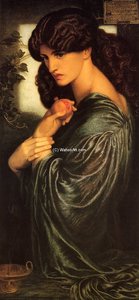
Proserpine
Veľkosť reprodukcie
Dante Gabriel Rossetti's "Proserpine," painted in 1874, is more than simply a portrait; it’s a poignant meditation on loss, longing, and the bittersweet nature of eternal beauty. The canvas, measuring a modest 6 x 125 cm, holds within its depths a scene both arresting and profoundly melancholic. Jane Morris, Rossetti's muse and wife, embodies Proserpine herself – a figure tragically caught between two worlds, forever bound to the shadowy realm of Pluto while yearning for the sunlit joys of Earth.
Rossetti’s style is undeniably rooted in Pre-Raphaelite aesthetics, a movement he helped pioneer. The painting revels in rich, saturated colors—deep blues and purples dominate the background, evoking the oppressive atmosphere of the underworld, contrasted sharply with the vibrant red of the pomegranate fruit held delicately in Proserpine's hand. The brushwork is meticulous yet fluid, creating an almost tactile quality to the fabrics and skin tones. Notice how Rossetti masterfully employs sfumato – a subtle blurring of lines and colors – to soften the edges of Morris’s features, lending her an ethereal, dreamlike appearance.
The central image—Proserpine consuming a pomegranate—is laden with symbolic weight. The pomegranate, a fruit associated with both fertility and death, represents Proserpine's forced captivity. Each seed symbolizes a year spent in the underworld, a constant reminder of her separation from her beloved husband, Zephyr. The red color itself is significant; it’s the hue of blood, hinting at the pain and sacrifice inherent in her fate. The apple, held aloft, further emphasizes this theme of temptation and consequence – a symbol of the forbidden fruit that led to her downfall.
Furthermore, the setting—a shadowy, undefined space—is deliberately ambiguous. It’s not a specific location but rather a representation of the underworld itself: a realm of perpetual twilight and muted colors. This reinforces the feeling of isolation and despair that permeates the painting. The careful arrangement of objects – the pomegranate, the apple, even the folds of Morris's dress – all contribute to a complex visual narrative.
"Proserpine" offers a rare glimpse into the emotional landscape of Victorian England, a period grappling with themes of mortality, beauty, and the constraints placed upon women. Rossetti’s choice of Jane Morris as Proserpine is particularly revealing; she herself was deeply connected to the Pre-Raphaelite movement and possessed an innate understanding of its aesthetic principles. Morris's pose—looking directly at the viewer—creates a powerful sense of intimacy, drawing us into Proserpine’s sorrowful gaze.
The painting’s enduring appeal lies in its ability to evoke a profound emotional response. It is not merely a depiction of a mythological figure but rather an exploration of universal themes – love, loss, and the yearning for connection. It's a testament to Rossetti’s skill as a painter and his capacity to imbue his work with layers of meaning and feeling. A reproduction captures this exquisite detail and emotional depth, offering a beautiful addition to any collection or interior space.
WahooArt offers meticulously crafted hand-painted reproductions of "Proserpine," ensuring that the painting’s original beauty and nuance are faithfully preserved. Our artists utilize traditional oil painting techniques, replicating Rossetti's rich color palette and delicate brushwork with exceptional precision. We offer a range of sizes to suit your individual needs and preferences, from smaller pieces suitable for intimate settings to larger formats ideal for grand spaces.
Explore our collection today and bring the haunting beauty of “Proserpine” into your home or studio. A WahooArt reproduction is more than just a print; it's a tangible connection to one of the most evocative works of Victorian art.
Pre dielo „Proserpine“ je možné si zakúpiť digitálnu verziu: na stránke Stiahnuť digitálnu verziu pre toto dielo si môžete stiahnutie digitálneho obrázka vo vysokom rozlíšení.
„Proserpine“ je dielo smeru Pre-Raphaelite Revival. Tento smer odzrkadľuje umeleckú tradíciu, ktorej toto dielo súčasťou.
„Proserpine“ je k dispozícii ako stiahnutie digitálneho obrázka vo vysokom rozlíšení, ktorý si môžete zakúpiť priamo na jeho stránke Digitálna fotografia.


1828 - 1882 , Spojené kráľovstvo

Explore the profound beauty of Victorian era art. From Pre-Raphaelite realism to romantic symbolism, our expert guide decodes the elegance and intricate detail of this historic movement for the true art enthusiast.

Delve into the breathtaking Pre-Raphaelite Revolution. Explore the vivid colors, intricate details, and romantic symbolism of masters like Rossetti and Millais in this authoritative journey through 19th-century art history for true enthusiasts.

Explore the breathtaking world of the Pre-Raphaelite Brotherhood. Discover how this movement redefined Victorian art through vivid detail, mythological depth, and romanticism. An expert guide for classic art enthusiasts seeking to rediscover these timeless masterpieces.
 Náhľad v interiéri
 Odoslať ako digitálnu kartu
 Zdieľať
 Podrobnosti o dielo
 Príručka

 Stiahnuť obraz
 Podobné položky
 RTG skúška
 Prehliadanie diapozoje
 Otázky a odpovede
 Štatistiky


 Zobraziť viac









 Možnosť skla je dostupná len pri rozmeroch pod 110 cm