


Giclée tlač alebo plátno múzeálnej kvality s rýchlou výrobou a rôznymi možnosťami povrchovej úpravy. ( Kúpiť ručne maľovaný obraz Prepnúť na digitálny obraz)





























Vyberte si z našich preddefinovaných rozmerov, ktoré zodpovedajú pôvodným pomeroḿ diela.

Zadajte šírku a výšku, ktoré potrebujete, aby sa reprodukcia hodila k vášmu rámu alebo stene. Print možno len orezávať, nikdy však nemennú veľkosť zvětšiť oproti pôvodnému obrázku, preto pri inom formáte stráca časť obrazu. Pred samotným vytlačiacím procesom vám pošleme digitálny náhľad na schválenie. Obrázok zobrazený na tejto stránke nezobrazuje reálny rez — len digitálny náhľad ukazuje presný výsledok.
Celosvetová doprava () do 2 týždňov namiesto štandardných 4 až 5 týždňov. (18 november)
Colonel William Leete Stone
Veľkosť reprodukcie
A single quill pen rests against a stack of papers, its tip poised as if caught in a moment of sudden thought. The light strikes the white linen of a cravat, a sharp contrast against the heavy, dark tones of the background. This is the world of Colonel William Leete Stone, rendered in oil on canvas in 1839. He does not look at the viewer. Instead, his gaze is directed upward and toward the left, toward an unseen idea or a distant conviction. The face is etched with the quiet intensity of a man accustomed to the weight of words and the gravity of public service.
The brushwork is controlled and precise, following the academic realism of the mid-19th century. Every fold in his formal attire and every contour of his skin is defined by a deliberate hand. The shadows are deep, swallowing the edges of the room to push the subject forward into the light. It is a portrait of intellectual focus, where the texture of the fabric meets the smooth, pale skin of the neck in a silent dialogue of light and dark.
The portrait captures more than a likeness; it captures a specific, restless energy. The subject was a man of significant influence in New York, a writer and editor whose life was defined by the pursuit of reform. His presence in the frame suggests a man of action through thought.
History remembers him as a man who campaigned for the abolition of slavery and supported the independence of Greece. He was a man who sought to shape the social fabric of his time, much like the ink he once spilled. The painting holds this tension between the stillness of the pose and the movement of his spirit.
There is a stillness here that feels temporary. The light catches the edge of a hand, a pale shape against the dark void of the room. It is the quiet moment before the next sentence is written, or the moment of reflection after a long day of advocacy. The shadows do not merely surround him; they define the space he occupies, carving his silhouette out of the darkness. The ink is dry, but the intent remains.
Autorské právo k dielu „Colonel William Leete Stone“ od William Page je jasné: toto dielo patrí do v slobodnom prostredí – autorské práva vypršali. Jeho prítomnosť v múzeu Cleveland Museum of Art tento stav nemení.
Za dielom „Colonel William Leete Stone“ stoja William Page a hnutie Academic Realism.
Dielo „Colonel William Leete Stone“ od William Page si môžete vyskúšať priamo na vašej stene pomocou rozšírenej reality na kompatibilnom zariadení na stránke Náhľad v AR pre AR náhľad.

Narodený v Albany v Spojených štátoch americký maliar William Page predstavoval postavu nesmierne všestranného umelca a portrétistu. Jeho raná umelecká príprava začala v kancelárii Fredericka de Peystera, po ktorej nasledovalo štúdium v ateliéri Jamesa Herringa. Postupne sa stal žiakom Samuela F. Morsea a zapísal sa na Národnú akadémiu výtvarného umenia, kde jeho výtvarné štúdie v triede antiky mu priniesli striebornú medailu. Po krátkom období štúdia teológie na Teologickom seminári Andover a na Amherst College sa však jeho srdce opäť vrátilo k umeleckému svetu.
Pageova umelecká dráha ho niesla medzi New York a Boston, až napokon strávil jedenásť rokov sídlentím vo Florencii a Ríme. Počas svojho pobytu vo Taliansku vytvoril portréty významných osobností, ako boli Robert a Elizabeth Browningová. Bol hlboko inšpirovaný dielami veľkých majstrov, najmä Titianom, ktorého techniku maľby sa snažil odhaliť a pochopiť. Jeho repliky Titianových diel boli také výnimočné, že jedna z nich bola raz skonfiskovaná florentskými úradmi v domnele, že ide o originál.
Počas celej svojej kariéry Page pracoval s širokou škálou námestí, od náboženských scén, ako sú "Mojžiš a Aaron na hore Horeb" či "Svätá rodina", až po portréty významných jednotlivcov. Jeho portrétná tvorba zahŕňala podobizny:
Okrem svojej maľby bol Page mužom rozmanitých záujmov; napísal knihu Nová geometrická metóda merania ľudskej postavy a držal patenty na rôzne vylepšenia v oblasti zbraní a lodí. Zem odišiel na Staten Islande.

1811 - 1885 , Spojené štáty

Explore the emotional power of Delacroix and French Romanticism through expert analysis. Discover the revolution of color and movement now.

Explore how military art evolved from imperial propaganda to raw realism. Discover the profound human truth behind every brushstroke.

Step into the dramatic world of Gustave Doré. Explore 25 iconic masterpieces of light and shadow, from epic biblical engravings to gothic tales. Find museum-quality art reproductions and timeless decor inspiration. Discover all masterpieces on WahooArt.com.
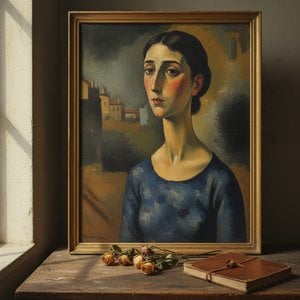
Delve into the haunting beauty of Amedeo Modigliani's portraits. Explore the intersection of Expressionism and Modernism through an expert analysis of his iconic elongated forms, melancholic gazes, and profound influence on art history.
 Náhľad v interiéri

 Odoslať ako digitálnu kartu
 Zdieľať
 Podrobnosti o dielo
 Príručka


 Stiahnuť obraz
 Podobné položky
 RTG skúška
 Prehliadanie diapozoje
 Otázky a odpovede

 Štatistiky


 Zobraziť viac









 Možnosť skla je dostupná len pri rozmeroch pod 110 cm


