Biografia umelca
The Florentine Dawn: Cimabue and the Transition from Byzantium
Giovanni Cimabue, narodil sa okolo roku 1240 v Florencii a stal sa jednou z najvýznamnejších figúr prechodného obdobia v talianskych umeniach. Jeho život, obmývaný časom a často idealizovaným vyobrazením – najmä v dielach Giorgia Vasariho – predstavuje neoddeliteľný moment v dejinách západného umenia. Cimabue nebol len maliar; bol odvážny inovec, ktorý s jemnou, no rozhodujúcou istotou podkopával tradičné konvencie a položil základy pre revolúcie, ktoré sa čoskoro rozhorúčili po celom Taliansku. Aj jeho prezývanie – „bulhead“ (napríklad “bull-headed”) – naznačuje silnú vôľu a možno aj rebelský duch – vlastnosti, ktoré sa prejavujú v jeho ochote experimentovať s formou a vyjadrením. Reprezentoval kľúčový okamih, kedy umenie začalo presadzovať nie len náboženské obrazy, ale aj emocionálne rezonancie.
Early Influences and Artistic Development
Cimabue bol od útleho veku obklopený italo-bizantským štýlom, ktorý vládol Florencii. Jeho skoré diela sa striktne držia etablovaných estetických princípov: ploché figúry zdobené lesknúcim sa zlatom, symbolické znázornenie priestoru a hlboký zameranie na náboženskú ikonografiu. Napriek týmto obmedzeniam však začala vychádzať pred vonkajšími silami. Nebol spokojný len s reprodukciou existujúcich tvarov; túžil, aby jeho maľby boli naplnené väčším pocitom života a emocionálnej hĺbky. Presná povaha jeho raného vzdelávania je však stále predmetom debát, pravdepodobne sa však zdokonalil v florentských dielňach, kde absorboval techniky a vplyvy doby, zároveň však vyvíjal svoj vlastný jedinečný umelecký hlas. Bizantský štýl, charakterizovaný jeho formálnosťou a duchovným zameraním, mu poskytol pevné základy, no Cimabue začal jemne zavádzať prvky, ktoré by naznačovali prichádzajúcu renesanciu – väčšiu pozornosť venovanú objemu, expresívnejším výrazom tváre a vnímanie priestoru. Nebol to náhle odstup od tradície, ale postupný vývoj, jemné vyváženie medzi úctou k minulosti a ochotou prebadať nové možnosti.
Masterpieces and Artistic Innovations
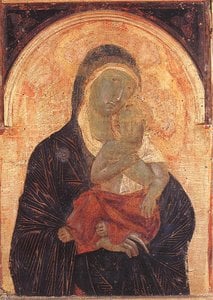
Cimabueho dielo je pevne zakotvené v sérii nádherných diel, ktoré ukazujú jeho rozvíjajúci sa štýl. *Maestà* (Louvre), pôvodne vytvorená pre kostol sv. Františka v Pise, predstavuje jedno z jeho najvýznamnejších umeleckých diel. Tento monumentálny altárny obraz demonštruje jeho mašty v kompozícii a použití farieb, pričom zároveň naznačuje odstup od striktných bizantských konvencií. Figúry, hoci stále majú určitú formu, vykazujú nový pocit objemu a prítomnosti. *Krucifix* (San Domenico, Arezzo), datovaný okolo roku 1270, je zvlášť významný ako skorý dôkaz jeho odklonu od striktných bizantských noriem. Tu sú proporcie realistickejšie a emocionálna váha scény je pocíttateľná – výrazný kontrast k zobrazovaniu na kresťanskom kríže v predchádzajúcom období. Ďalšími dôkazmi Cimabueho inovatívneho ducha sú diela, ako napríklad *Flážditeľa Krista* (Frick Collection), ktorému sa pripisujú jeho dielne. Tento komplexný obraz ukazuje rozvíjajúce sa vnímanie perspektívy a priestorových vzťahov, pričom naznačuje záujem o vytváranie viac vtiahnutých a veriacej scény. Jeho prínos nebol obmedzený len na panelové maľby; Cimabue vynikal aj ako mozaikár, významne sa podiehal na zdobenie florentského Baptisteria – hoci tieto mozaiky boli časom poškodené.
A Pivotal Teacher: Giotto and Beyond
Možno najtrvalejším dedičstvom Cimabueho je jeho úloha ako učiteľa Giotta di Bondone. Hoci historické záznamy sa líšia ohľadom povahy ich vzťahu, všeobecne sa uznáva, že Giotto získal zásadné školenie pod vedením Cimabueho. Napriek tomu by Giotto nakoniec prekonal svojho učiteľa a stal sa prvým pravým renesančným majstrom. Je to dôkaz Cimabueovej zručnosti ako pedagóga, že viedol talent, aj keď vedel, že ten môže prekrátiť jeho vlastné úspechy. Povesť o Giottovi, ktorý si na Cimabu namiesto toho nakreslil múšku, hovorí veľa o dynamike medzi učiteľom a žiakom – o hravom súboji, ktorý oboch umelcom pomohol dosiahnuť vyšší cieľ. Cimabueho vplyv sa rozšiel aj na mnohých ďalších umelcov obdobia. Zmenil umelecké normy svojho času, dokázal, že umenie môže byť viac ako len náboženský symbol; mohlo by odrážať ľudské emócie a skúsenosti. Jeho ochota experimentovať s formou, proporciami a vyjadrením položil základy pre inovatívnu činnosť renesancie, čím sa stal kľúčovou prechodnou figúrou v dejinách západného umenia.
Enduring Significance
Cimabue zomrel v roku 1302 v Pise a zanechal za sebou dielo, ktoré stále fascinuje a inšpiruje. Hoci sa jeho prínos týka rozsiahlych aspektov, detaily o neskorom živote zostávajú nedostatkom. Napriek tomu je jeho umelecké dedičstvo silne rezonuje prostredníctvom diel jeho žiakov a vývoja talianskych umení. Reprezentoval kľúčový moment v rozvoji západného umenia, ktorý presuňoval od striktných konvencií bizantského obdobia k humanizmu a naturalizmu. Jeho maľby nie sú len historické artefakty; sú oknami do kľúčového okamihu umeleckej histórie – v čase, keď sa umelci rozhodli spochybňovať zavedené normy a skúmať nové možnosti. Bol inovec, vizionár, ktorý odvážne vyzval na stav normy a položil základy pre umeleckú brilantnosť, ktorá definovala renesanciu. **Cimabueho dielo nám pripomína, že aj v tradíciii je vždy priestor pre inovácie a že skutočné umenie spočíva v odvahe prekračovať hranice a skúmať nové obzory.**



 Náhľad
 Kúpiť ručne maľovaný obraz
 Odoslať
 Zdieľať
 Podrobnosti o dielo

 Stiahnuť
 Podobné diela
 RTG skúška
 Prezentácia
 Stats
Stats

 Zobraziť viac






































 Možnosť skla je dostupná len pri rozmeroch pod 110 cm