Zobraziť v interiéri Náhľad v AR Objednať ručne maľovanú reprodukciu Prepnúť na digitálnu verziu obrazu Odoslať
Podrobnosti Príručka Pridať do obľúbených Stiahnuť Podobné položky RTG skúška Prehliadanie diapo\] Štatistiky

Rolling Mill

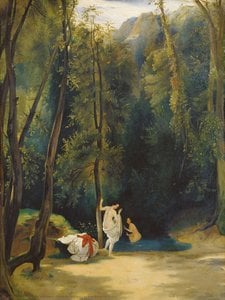
Discover 'Rolling Mill' by Carl Blechen – a captivating oil painting depicting an industrial scene from 1834. Explore the intersection of nature and industry through this evocative work.

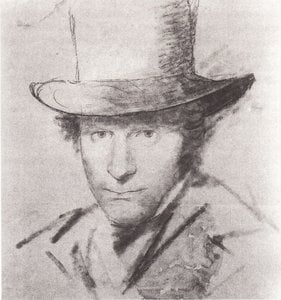
Carl Blechen (1798-1840) bol nemecký romantický maliar známy pre evokatívne krajiny a priekopnícke zobrazenia včasnej industrializácie. Preskúmajte jeho talianske skice a trvalý vplyv na umenie.

Giclée / Umenotlač

Giclée tlač alebo plátno múzeálnej kvality s rýchlou výrobou a rôznymi možnosťami povrchovej úpravy. ( Objednať ručne maľovanú reprodukciu Prepnúť na digitálnu verziu obrazu)

Corner sample of the P118B picture frame: lisovaný polystyrén, 5 cm wide and 3 cm thick
P118B €10
Corner sample of the P118H picture frame: lisovaný polystyrén, 5 cm wide and 3 cm thick
P118H €10
Corner sample of the P118W picture frame: lisovaný polystyrén, 5 cm wide and 3 cm thick
P118W €10
Corner sample of the P438Z picture frame: lisovaný polystyrén, 5.5 cm wide and 3.5 cm thick
P438Z €10
Corner sample of the P508JH picture frame: lisovaný polystyrén, 7 cm wide and 3.5 cm thick
P508JH €12
Corner sample of the P508YH picture frame: lisovaný polystyrén, 7 cm wide and 3.5 cm thick
P508YH €12
Corner sample of the P805H picture frame: lisovaný polystyrén, 5 cm wide and 3.5 cm thick
P805H €10
Corner sample of the P805Z picture frame: lisovaný polystyrén, 5 cm wide and 3.5 cm thick
P805Z €10
Corner sample of the P919BZ picture frame: lisovaný polystyrén, 7 cm wide and 3.5 cm thick
P919BZ €10
Corner sample of the P919G picture frame: lisovaný polystyrén, 7 cm wide and 3.5 cm thick
P919G €10
Corner sample of the P919XJ picture frame: lisovaný polystyrén, 7 cm wide and 3.5 cm thick
P919XJ €10
Corner sample of the P959ZH picture frame: lisovaný polystyrén, 5 cm wide and 3 cm thick
P959ZH €10
Corner sample of the P968JZ picture frame: lisovaný polystyrén, 6 cm wide and 4 cm thick
P968JZ €12
Corner sample of the W106C picture frame: masívne drevo, 5 cm wide and 3 cm thick
W106C €8
Corner sample of the W218G picture frame: masívne drevo, 5 cm wide and 3 cm thick
W218G €10
Corner sample of the W218JH picture frame: masívne drevo, 5 cm wide and 3 cm thick
W218JH €8
Corner sample of the W218Y picture frame: masívne drevo, 5 cm wide and 3 cm thick
W218Y €10
Corner sample of the W307PJ picture frame: masívne drevo, 6 cm wide and 3 cm thick
W307PJ €10
Corner sample of the W316G picture frame: masívne drevo, 6 cm wide and 3 cm thick
W316G €10
Corner sample of the W316PJ picture frame: masívne drevo, 6 cm wide and 3 cm thick
W316PJ €8
Corner sample of the W316Y picture frame: masívne drevo, 6 cm wide and 3 cm thick
W316Y €10
Corner sample of the W398PJ picture frame: masívne drevo, 5 cm wide and 3 cm thick
W398PJ €8
Corner sample of the W4111J picture frame: masívne drevo, 6.5 cm wide and 3.5 cm thick
W4111J €10
Corner sample of the W500HY picture frame: masívne drevo, 7 cm wide and 5 cm thick
W500HY €15
Corner sample of the W500JH picture frame: masívne drevo, 7 cm wide and 5 cm thick
W500JH €15
Corner sample of the W692G picture frame: masívne drevo, 8 cm wide and 4 cm thick
W692G €12
Corner sample of the W849H picture frame: masívne drevo, 5 cm wide and 3 cm thick
W849H €8
Corner sample of the W940BG picture frame: masívne drevo, 7.5 cm wide and 4.5 cm thick
W940BG €15
Corner sample of the W953PJ picture frame: masívne drevo, 6 cm wide and 3.5 cm thick
W953PJ €8

Štandardné rozmery
na mieru
CM
INCH

Vyberte si z našich preddefinovaných rozmerov, ktoré zodpovedajú pôvodným pomeroḿ diela.

šírka
výška

Zadajte šírku a výšku, ktoré potrebujete, aby sa reprodukcia hodila k vášmu rámu alebo stene. Print možno len orezávať, nikdy však nemennú veľkosť zvětšiť oproti pôvodnému obrázku, preto pri inom formáte stráca časť obrazu. Pred samotným vytlačiacím procesom vám pošleme digitálny náhľad na schválenie. Obrázok zobrazený na tejto stránke nezobrazuje reálny rez — len digitálny náhľad ukazuje presný výsledok.

Celosvetová doprava () do 2 týždňov namiesto štandardných 4 až 5 týždňov. (22 október)

Bezplatná expresná doprava po celom svete
Vysokokvalitné lnianske plátno
Úplné poistenie prepravy
Záruka vrátenia colného poplatku
Záruka presného farebného zhodnutia
100-dená politika vrátenia tovaru (iba pri vadách)
100% záruka vrátenia peňazí
Ponuka množstevnej zľavy

Celková cena

€ 59

Rolling Mill

Giclée / Umenotlač

Veľkosť reprodukcie

-

Celková cena

€ 59

Rýchle fakty

  • Notable elements: Industrial scene
  • Title: Rolling Mill
  • Year: 1834
  • Medium: Oil on panel
  • Location: Nationalgalerie, Berlin

Kvíz o umení

Pri každej otázke je iba jedna správna odpoveď.

Otázka 1:
What is the primary subject depicted in Carl Blechen’s ‘Rolling Mill’?
Otázka 2:
In what year was Carl Blechen’s ‘Rolling Mill’ painted?
Otázka 3:
The painting 'Rolling Mill' reflects which artistic movement’s interest in depicting the realities of industrialization?
Otázka 4:
What is a key characteristic of Carl Blechen’s style as seen in ‘Rolling Mill’?
Otázka 5:
The presence of the angler in ‘Rolling Mill’ symbolizes what aspect of the painting?

The Weight of Progress: Carl Blechen’s “Rolling Mill”

Carl Blechen's "Rolling Mill" isn’t merely a depiction of a factory; it’s a profound meditation on the burgeoning industrial landscape of 19th-century Germany, rendered with a haunting beauty that belies its subject matter. Painted in 1834, this oil on canvas captures a pivotal moment – the rise of mechanized production and its complex relationship to the natural world. Blechen, a key figure in bridging Romanticism and early industrialization, eschews the idealized pastoral scenes favored by many of his contemporaries, instead confronting the gritty reality of factories like the Neustadt-Eberswalde Rolling Mill, one of the first metalworking plants in the Mark Brandenburg.

The painting immediately draws the eye to a vast, imposing structure dominated by towering smokestacks and the rhythmic clang of machinery. Blechen masterfully employs atmospheric perspective – a technique borrowed from the Italian masters he admired – to create a sense of depth and scale. The distant hills are rendered in muted blues and purples, contrasting sharply with the darker tones of the mill itself. This deliberate juxtaposition highlights the encroachment of industry upon the serene beauty of the countryside, suggesting a fundamental shift in the relationship between humanity and nature.

A Romantic Encounter with Industry

Blechen’s approach to industrial subject matter is remarkably nuanced. He doesn't present the factory as a symbol of progress or triumph; rather, he imbues it with a melancholic quality. The scene is populated by figures – a solitary angler casting his line into the Finow Canal and two fishermen hauling in their nets – who seem almost oblivious to the industrial activity unfolding behind them. These individuals represent a traditional way of life, seemingly untouched by the forces of modernization. Their presence serves as a poignant reminder of what’s being lost in the relentless march forward.

The painting's composition is carefully orchestrated to evoke a sense of unease and contemplation. The dominant verticality of the mill contrasts with the horizontal lines of the river, creating a visual tension that mirrors the conflict between tradition and innovation. Blechen’s use of light and shadow further enhances this effect, casting long, dramatic shadows across the landscape and emphasizing the imposing scale of the factory.

Technique and Symbolism

Blechen's technical skill is evident in his meticulous attention to detail – from the intricate patterns of the machinery to the subtle variations in color and texture. He employs a loose, expressive brushstroke that captures the dynamism of the scene while maintaining a sense of atmospheric depth. The painting’s palette is dominated by earthy tones—browns, grays, and ochres—which contribute to its somber mood. The smoke billowing from the chimneys isn't simply a visual element; it symbolizes the pollution and environmental degradation associated with industrialization – a subtle but powerful critique of the era.

Interestingly, Blechen’s work predates many later Romantic depictions of industry, making it a remarkably prescient commentary on the social and environmental consequences of rapid technological advancement. The painting's enduring power lies in its ability to capture not just the physical reality of the rolling mill but also the emotional and philosophical complexities of an era defined by profound transformation.

A Legacy of Observation

“Rolling Mill” stands as a testament to Carl Blechen’s unique artistic vision. It's a work that invites viewers to consider the lasting impact of industrialization on both the landscape and the human spirit. Reproductions of this powerful image offer a valuable opportunity to engage with a pivotal moment in art history, prompting reflection on our own relationship with technology and the environment. The painting’s continued relevance speaks volumes about Blechen's ability to capture the essence of his time—a time of both unprecedented progress and profound uncertainty.

Otázky a odpovede

Aká je technika a veľkosť originálu diela „Rolling Mill“ od Carl Blechen?

Originál diela „Rolling Mill“ od Carl Blechen je práca v technike Acrylic On Canvas s rozmerami 26 x 33 cm. Technika a veľkosť popisujú originálny objekt.

V akom veku vytvoril/a Carl Blechen dielo „Rolling Mill"?

Carl Blechen mal 36 rokov, keď v roku 1834 vytvoril/a dielo „Rolling Mill“. Vek bol vypočítaný na základe roku narodenia umelca, 1798.

Koľko ľudí si prezera "Rolling Mill"?

Štatistiky o dielo „Rolling Mill“ od Carl Blechen nájdete na stránke Štatistiky tohto diela: mesačné návštevy diela, návštevy prác daného umelca a rozdelenie nedávnych návštevníkov podľa krajín a jazykov.


Biografia umelca

Pionier romantickej industrializácie: Život a dielo Carla Blechena

Carl Eduard Ferdinand Blechen, narodený v roku 1798 v Cottbuse v Nemecku, zaujíma jedinečné a často prehliadané miesto v tradícii krajinárskeho maliarstva. Jeho život bol poznačený umeleckou brilantnosťou i osobnými trápeniami – dualitou, ktorá hlboko ovplyvnila jeho sugestívne a priekopnícke dielo. Pôvodne predurčený na pragmatickú kariéru v bankovníctve kvôli finančným ťažkostiam rodiny, Blechenove vrodené umelecké sklony nakoniec prevážili. V roku 1822 sa zapísal na Berlínskej akadémii umení a vydal sa cestou, ktorá z neho urobila jedného z prvých umelcov, ktorí sa pokúšali zvládnuť estetické výzvy – a možnosti – ranej industrializácie.

Blechenove formujúce roky boli ponorené do romantických ideálov, ktoré sa šírili po celej Európe. Na rozdiel od mnohých svojich súčasníkov, ktorí sa sústredili výhradne na idealizovanú prírodnú krásu alebo historickú veľkosť, Blechenov pohľad bol upretý na meniaci sa svet. Kľúčová cesta do Talianska v rokoch 1828-1829 bola transformačná. Ponorený do svetla a atmosféry talianskej krajiny zdokonalil svoje zručnosti v plenérovom skicovaní, zachytávajúc prchavé momenty a dramatické efekty s pozoruhodnou citlivosťou. Tieto náčrty neboli len prípravné štúdie; boli presiaknuté živou energiou, ktorá charakterizovala jeho vyspelý štýl. Vrátil sa do Berlína nielen ako technicky zdatný maliar, ale aj ako umelec s odlišnou víziou – snahou zmieriť vznešenú krásu prírody so nástupom modernity.

Prechádzka tradíciou a transformáciou

Blechenova tvorba sa vyznačuje presvedčivým napätím medzi romantickou citlivosťou a vznikajúcim realizmom. Nevyhýbal sa zobrazovaniu rastúceho industriálneho prostredia, ale ani ho nekriticky neoslavoval. Diela ako Bau der Teufelsbrücke (Konštrukcia Diablovho mosta), maľované medzi rokmi 1830 a 1832, exemplifikujú tento prístup. Obraz neslaví inžinierskych výkon; namiesto toho prezentuje scénu náročnej práce na dramatickom pozadí, naznačujúc ľudské ambície i potenciálne narušenie prírodného poriadku. Táto ochota čeliť zložitosti svojej doby ho odlišuje od mnohých jeho súčasníkov.

Jeho krajiny sú často presiaknuté melancholickou atmosférou, ktorá odráža nielen meniace sa fyzické prostredie, ale aj jeho vlastné vnútorné boje. Napríklad Waldweg bei Spandau (Lesná cesta pri Spandaue) evokuje pocit samoty a introspekcie, pričom zároveň demonštruje Blechenovu majstrovskú zručnosť v práci so svetlom a tieňmi. Zručne používal atmosférickú perspektívu na vytvorenie hĺbky a nálady, vtiahnutím diváka do scény a pozvaním k rozjímaniu. Nesnímal len to, čo videl; vyjadroval emocionálnu reakciu na to.

Tragický génius a trvácny odkaz

Napriek svojim umeleckým úspechom bol Blechenov život tragicky prerušený duševnou chorobou. V roku 1831 bol menovaný profesorom krajinárskeho maliarstva na Berlínskej akadémii – dôkaz jeho rastúcej reputácie – ale jeho stav sa začal rýchlo zhoršovať po roku 1835. Nútený odísť a nakoniec hospitalizovaný, pokračoval v tvorbe umenia aj uprostred svojho utrpenia, vytvárajúc dojímavé kresby, ktoré ponúkajú pohľad do jeho trápiaceho vnútorného sveta. Zomrel v Berlíne v roku 1840 vo veku 41 rokov.

Hoci bola jeho kariéra relatívne krátka, vplyv Carla Blechena na nasledujúce generácie umelcov je nepopierateľný. Jeho priekopnícke zobrazenia industriálnych krajín pripravili cestu neskorším realistickým a impresionistickým maliarom, ktorí sa snažili zachytiť meniace sa tváre moderného života. Ukázal, že je možné nájsť krásu – a význam – aj uprostred transformácie, čo je posolstvo, ktoré dodnes rezonuje s umelcami.

Kľúčové diela & zbierky

  • Im Berliner Tiergarten (Berlínska zoologická záhrada), 1825: Raný príklad jeho schopnosti zachytiť atmosférické efekty a každodenné scény s romantickou citlivosťou.
  • Waldweg bei Spandau (Lesná cesta pri Spandaue): Strašidelivá krajina, ktorá exemplifikuje jeho majstrovstvo v práci so svetlom, tieňmi a náladou.
  • Bau der Teufelsbrücke (Konštrukcia Diablovho mosta), 1830–32: Priekopnícke zobrazenie ranej industrializácie, ukazujúce ľudské ambície i jej dopad na prírodný svet.

Dnes sa Blechenove diela nachádzajú v prominentných múzejných zbierkach po celom svete, vrátane Kunsthalle Bielefeld v Nemecku, The Fitzwilliam Museum v Cambridge a National Gallery v Londýne. Tieto inštitúcie zachovávajú jeho odkaz pre budúce generácie, čím zabezpečujú, že jeho inovatívna vízia bude naďalej inšpirovať a vyzývať divákov.

Carl Blechen

Carl Blechen

1798 - 1840 , Nemecko

Rýchle fakty

  • Artistic Movement Or Style: Romantizmus
  • Artists Who Influenced This Artist:
    • Caspar David Friedrich
    • Johann Christian Dahl
  • Date Of Birth: 29. júl 1798
  • Date Of Death: 23. júl 1840
  • Full Name: Carl Eduard Ferdinand Blechen
  • Nationality: Nemecká
  • Notable Artworks:
    • Im Berliner Tiergarten
    • Waldweg bei Spandau
    • Bau der Teufelsbrücke
  • Place Of Birth (City And Country): Cottbus, Nemecko
Preskúmajte umelecká diela usporiadané podľa tém, štýlov a charakteristík.