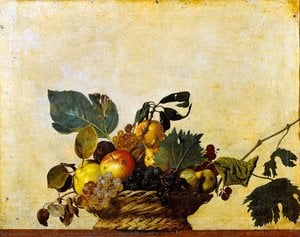
Giclée tlač alebo plátno múzeálnej kvality s rýchlou výrobou a rôznymi možnosťami povrchovej úpravy. ( Kúpiť ručne maľovaný obraz Prepnúť na digitálny obraz)





























Vyberte si z našich preddefinovaných rozmerov, ktoré zodpovedajú pôvodným pomeroḿ diela.

Zadajte šírku a výšku, ktoré potrebujete, aby sa reprodukcia hodila k vášmu rámu alebo stene. Print možno len orezávať, nikdy však nemennú veľkosť zvětšiť oproti pôvodnému obrázku, preto pri inom formáte stráca časť obrazu. Pred samotným vytlačiacím procesom vám pošleme digitálny náhľad na schválenie. Obrázok zobrazený na tejto stránke nezobrazuje reálny rez — len digitálny náhľad ukazuje presný výsledok.
Celosvetová doprava () do 2 týždňov namiesto štandardných 4 až 5 týždňov. (8 november)
Leti
Veľkosť reprodukcie
“Flight,” painted by the revolutionary Italian artist Michelangelo Merisi da Caravaggio, is more than just a depiction of Mary cradling the infant Jesus; it’s an immersive experience, a profound meditation on faith, vulnerability, and divine grace. Created during a pivotal period in Baroque art – roughly between 1604 and 1606 – this masterpiece transcends mere religious iconography, offering instead a glimpse into the very heart of human emotion and spiritual contemplation. Caravaggio’s genius lay not just in his technical mastery but in his ability to capture fleeting moments of intense feeling, imbuing even the most sacred subjects with an undeniable sense of immediacy and drama.
Born in Milan amidst hardship – a childhood marked by loss and poverty – Caravaggio’s early life profoundly shaped his artistic vision. The untimely deaths of his father and grandfather instilled within him a deep understanding of human suffering, a theme that would become recurring throughout his oeuvre. His apprenticeship under Simone Peterzano provided a solid foundation in Renaissance techniques, yet it was in Rome, the vibrant center of artistic innovation at the time, that Caravaggio truly forged his unique style. He quickly rejected the prevailing academic conventions, prioritizing direct observation and an unflinching portrayal of the human condition – a radical departure from the idealized representations favored by many of his contemporaries.
Caravaggio’s technique was nothing short of revolutionary. He eschewed the meticulous preparatory sketches that were customary among his peers, instead relying on improvisation and a rapid application of pigment directly onto the canvas. This approach allowed him to capture fleeting expressions and textures with remarkable accuracy, creating an illusion of spontaneity and immediacy. But it is his masterful manipulation of light – what he termed “tenebrism” – that truly defines this work and countless others. He employed dramatic contrasts between intense illumination and deep shadow, sculpting the figures from darkness and highlighting key elements to draw the viewer’s eye directly into the heart of the composition.
In "Flight," the light doesn't simply illuminate; it *performs*. It washes over Mary and Jesus with a gentle radiance, suggesting their purity and innocence. The shadows, conversely, create a sense of mystery and depth, hinting at the vastness of the divine realm. This interplay of light and dark isn’t merely aesthetic; it serves to heighten the emotional impact of the scene, conveying a profound sense of peace and spiritual grace. The artist's use of *sfumato*, a subtle blurring technique, further softens the edges and creates an ethereal atmosphere, as if the figures are emerging from a dream.
The painting depicts Mary cradling Jesus in her arms, surrounded by angels in a serene landscape. The scene is deeply rooted in Christian iconography – the Annunciation, reimagined with an unparalleled sense of intimacy and emotional resonance. However, Caravaggio’s genius lies not just in his adherence to established conventions but in his ability to imbue them with new meaning. The angel's presence isn’t merely decorative; he actively participates in the scene, seemingly offering a benediction or guiding Mary towards God.
The landscape itself is symbolic, representing both earthly tranquility and divine grace. It’s not a detailed depiction of a specific location but rather an idealized vision of paradise – a place of peace, serenity, and spiritual contemplation. The muted colors and soft lighting contribute to this sense of otherworldly beauty, creating a visual metaphor for the transformative power of faith. The composition is carefully balanced, with Mary and Jesus positioned at the center, drawing the viewer’s eye directly into their embrace.
Caravaggio's influence on subsequent generations of artists was immense. His revolutionary technique – particularly his use of tenebrism – profoundly impacted the development of Baroque painting. Artists like Rembrandt, Rubens, and Velázquez were all deeply influenced by his dramatic lighting and emotional intensity. Works by Hans Memling, Francisco Zurbaran, and Bartolome Esteban Murillo, which showcase similar stylistic elements in their depictions of religious scenes, offer valuable points of comparison, demonstrating a lineage of artistic innovation that stretches back through the centuries.
For those seeking to experience Caravaggio’s profound vision firsthand, reproductions are available through https://WahooArt.com. Further exploration can be found at museums such as the Oratory of St Philip Neri in Florence and Villa Borghese in Rome, where original works by Caravaggio are proudly displayed.
Odporúčané použitie (Akcentujúce) a priestor (Obývací izba) pre dielo „Leti“ od Caravaggio.
Farebná kompozícia diela „Leti“ od Caravaggio spája Vyhlásenie kontrast s Silná farebná jednota harmóniou.
Farebná identita diela „Leti“ od Caravaggio: paleta v odtieňoch Zemité tóny, ktorej dominuje Ftalocyánová zelená (#302623).


1571 - 1610 , Taliansko

Embark on a sophisticated journey through Italian Baroque art. Discover the dramatic interplay of light and emotion in Caravaggio’s masterpieces and explore how to bring this timeless grandeur into your collection with expert art insights.

Discover the profound emotional power of Baroque painting. Explore the mastery of chiaroscuro, the realism of Caravaggio, and the dramatic interplay of light and shadow in this expert guide for classical art enthusiasts and collectors.
 Náhľad v interiéri
 Odoslať ako digitálnu kartu
 Zdieľať
 Podrobnosti o dielo
 Príručka

 Stiahnuť obraz
 Podobné položky
 RTG skúška
 Prehliadanie diapozoje
 Otázky a odpovede
 Štatistiky

 Zobraziť viac









 Možnosť skla je dostupná len pri rozmeroch pod 110 cm