Biografia umelca
A Life Rooted in Observation: The World of Camille Pissarro
Camille Pissarro, meno známe ako Jacob Abraham Camille Pissarro, bol umelec, ktorého život odrážal meniace sa krajiny, ktoré tak oddane zachytával na plátne. Narodil sa 10. júla 1830 v Charlotte Amalie, na ostrove svätého Tomáša – vtedy súčasť Dánskych ostrovov – dnes USA, a jeho pôvod bol rovnako rozmanitý a živý ako scény, ktoré neskôr definovali jeho umelecké videnie. Jeho otec, portugalský židovský obchodník s francúzskym občianstvom, a matka z francúzskej židovskej rodiny na ostrove, zakladali v ňom jedinečnú kultúrnu identitu. Toto výchovy, trochu nekonvenčná vzhľadom k rodinným komplikáciám, formovali v ranom veku citlivosť na svet okolo seba, vlastnosť, ktorá sa stala základom jeho umeleckej praxe. Jeho prvý formálny vzdelanie na Savary Academy v Paríži poskytlo základy v tradičných technikách, ale jeho návrat do St. Tomáša a následná práca ako nákladný dispečér rozkindli jeho vášeň pre pozorovanie. Hlučisko prístavu, živý miestny život a divoká krása karibského prostredia sa stali jeho prvými témami, formovali oko citlivé na nuansy každodenného života.
Od Realizmu k Revolúcii: Vývoj Umeleckej Cesty
Pissarroho umelecká cesta bola neustálym skúmaním a vylepšovaním. Po období asistovania dánskemu malírovi Antonovi Melbye v Paríži sa ponoril do diel majstrov ako Gustave Courbet, Jean-Baptiste-Camille Corot a Honoré Daumier – umelci, ktorí obhajovali realizmus a sociálny komentár. Počiatok hľadal akceptáciu v udelanom umeleckom svete, vystavoval na Parížskom salónu, ale čoskoro našiel jeho obmedzenia frustrujúce. Klíčový moment prišiel s jeho prijatím *plein air* maľovania – práce vonku priamo z prírody – praxou podporovanou Corotom, ktorá sa stala kľúčovou pre impresionizmus. Tento posun nebol len technický; predstavoval filozofickú zmenu, túžbu zachytiť plynulé účinky svetla a atmosféry, esenciu scény namiesto jej presnej reprezentácie. Začal experimentovať s voľnejším štetcovým líniovaním a jasnejšími farbami, odchádzajúc od akademických konvencií k subjektívnejšej a expresívnejšej forme. Jeho skoré krajinky, hoci stále zakorenené v realizme, naznačovali revolučný smer, ktorým bol pripravený ísť. Táto éra priniesla jeho zápas s nájdením vlastného hlasu medzi rastúcim umeleckým fermentom Paríža, mesta, ktoré prechádzalo rýchlou transformáciou a poskytovalo nekonečné zdroje inšpirácie.
Otec Imprezionalizmu
Camille Pissarro nebol *iba* impresionista; bol možno jeho stredobodom a spájajúcou silou. Jedinečným spôsobom vystavil na všetkých ôsmich parížskych impresionistických výstavách od roku 1874 do 1886, pôsobiac ako stabilná osoba v skupine často charakterizovanej vnútornými sporami a individuálnymi ambíciami. Nebol prítomný – aktívne podporoval svojich kolegov, ponúkal im podporu, vedenie a pocit spoločenstva. To si zaslúžil láskavý prezývku “otec” hnutia. Jeho záväzok k umeleckej slobode a inovácii bol neochrabňujúci, dokonca v rozpore s kritickým odsudkom a verejnou ľutovaním. Veril v moc kolektívnej akcie a obhajoval myšlienku, že umelci vystavujú nezávisle na obmedzeniach Salonu. Okrem vlastných diel sa Pissarroho vplyv rozširoval na mladšiu generáciu umelcov, vrátane Paula Cézana, Vincenta van Gogha a Paula Gauguina, ktorých mentoroval a hlboko ovplyvnil. Poskytol im nielen technické rady, ale aj filozofický rámec pre ich umelecké skúmanie. Jeho ochota experimentovať ho krátko viedla k Neo-Impresionizmu, ovplyvnenému technikami Georgea Seura a Paula Signaca, pred tým, ako nakoniec vrátil k osobitnejšej forme, ktorá spájala jeho skoršie vplyvy s novými objavmi.
Lúky Života: Témata a Dedikácia
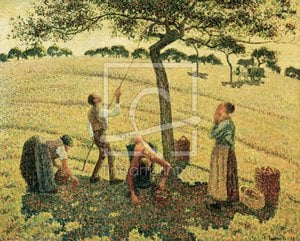
Pissarroho umelecké dielo bolo pozoruhodne rozmanité, no neustále sa zameriavalo na svet okolo seba. Je oslávený svojimi reprezentáciami krajín a miestnych životov, často zobrazujúc scény každodenného života – chudobných robotníkov pracujúcich v poliach, hlučné parížske ulice, pokojné dedinské námestia. Jeho maľby neboli len idylické výhľadové; boli sociálnymi komentármi, odôvodňujúcimi jeho hlbokú empatickosť voči pracujúcej triede a záväzok k zobrazovaniu ich života s dôstojnosťou a rešpektom. Jeho neskoršie diela, najmä tie vytvorené v období politických nepokojov alebo osobnej ťažkosti, často niesu pocitom melancholie a sociálnej kritiky. Pissarroho dedičstvo presahuje jeho krásne maľby. Bol obhajcom umeleckej slobody, mentorom pre generácie umelcov a pionierom v rozvoji modernejšieho umenia. Jeho záväzok k *plein air* maľovaniu zmenil krajinársku tvorbu, zatiaľ čo jeho ochota experimentovať s rôznymi štýlmi demonštroval jeho intelektuálnu zvídavosť a neochabujúcu oddanosť svojej praxi.
Záver
Camille Pissarroho diela nie sú len záznamom sveta ako bol; je to dôkazom síly pozorovanie, empatie a umeleckej inovácie.



 Náhľad
 Kúpiť ručne maľovaný obraz
 Odoslať
 Zdieľať
 Podrobnosti o dielo

 Stiahnuť
 Podobné diela
 RTG skúška
 Prezentácia
 Štatistiky

 Zobraziť viac






































 Možnosť skla je dostupná len pri rozmeroch pod 110 cm