


Giclée tlač alebo plátno múzeálnej kvality s rýchlou výrobou a flexibilnými možnosťami povrchovej úpravy. ( Kúpiť ručne maľovaný obraz Kúpiť obrázok)
Vyberte si z našich preddefinovaných rozmerov, ktoré zodpovedajú pôvodným pomeroḿ diela.

Môžete zadať vlastné rozmery, aby sa reprodukcia prispôsobila konkrétnemu rámu alebo priestoru. Ak zvolená veľkosť nebude zodpovedať proporciám originálu, dielo buď orežeme, alebo obraz rozšírime pomocou zrkadlenia či farebného doplnenia okrajov. Pred začatím výroby vám pošleme digitálnu ukážku na schválenie.
Máte na vedomí, že náhľad na obrazovke neodzrkadľuje skutočné orezanie alebo rozšírenie. Len digitálna ukážka presne zobrazí finálnu kompozíciu.
Hoci sú k dispozícii vlastné rozmery, pre zachovanie pôvodných proporcií odporúčame vybrať si rozmer z vopred definovaného zoznamu.
Celosvetová doprava () do 2 týždňov namiesto štandardných 4/5 týždňov. (6 september)


Salt Cellar (detail)
Veľkosť reprodukcie
In the grand tapestry of the Italian Renaissance, few objects capture the audacious spirit of Mannerism as vibrantly as Benvenuto Cellini’s Salt Cellar. Created around 1543 for the French King Francis I, this is far more than a mere vessel for seasoning; it is a sculptural triumph that defies the boundaries between functional tableware and high art. To behold this work is to witness a moment in history where goldsmithing reached its absolute zenith, blending the precision of a jeweler with the dramatic soul of a sculptor. The piece stands as a testament to an era that prized intellectual complexity and theatrical flair, inviting anyone who views it—whether in person or through a masterful reproduction—to step into a world of divine transformation and royal splendor.
The visual impact of the Salt Cellar is immediate and overwhelming. Crafted from shimmering gold and adorned with exquisite enameling, the work presents a breathtaking spectacle of color and light. Using the painstaking cloisonné technique, Cellini soldered delicate wires onto the metal surface to create intricate compartments, which were then filled with vibrant enamel pastes in shades of deep crimson, azure, and emerald green. This meticulous process creates a luminous effect, where the brilliance of the gold leaf contrasts sharply with the rich, jewel-like hues of the enamel. For the discerning collector or interior designer, such a piece offers an unparalleled focal point, bringing a sense of historical weight and opulent texture to any curated space.
Beyond its physical brilliance, the Salt Cellar is a profound meditation on classical mythology and the elemental forces of nature. The iconography is deeply rooted in antiquity, specifically referencing the transformative tales of Apollo and Daphne. Atop the ornate structure, figures recline in a state of graceful tension, embodying the mythological connection between the earth and the sea. As the goddess of the earth and Neptune, the god of the ocean, represent the dualities of our world, the sculpture serves as an allegorical map of the cosmos. Below these central figures, Cellini meticulously carved personifications of the four winds and the various times of day, creating a miniature universe that celebrates the rhythm of life itself.
This layering of meaning ensures that the artwork remains a subject of endless fascination. It was designed to provoke conversation, acting as a "mirror of the soul" that reflected the sophistication of its owner. The presence of small, beautifully wrought receptacles—a miniature temple for peppercorns and a tiny boat for salt—adds a layer of whimsical detail that rewards close inspection. For those seeking to bring a sense of narrative depth into their homes, a reproduction of this masterpiece provides more than just decoration; it offers a window into the Renaissance mind, where every curve of gold and every stroke of enamel tells a story of divine intervention and human mastery.
The history of the Salt Cellar is as dramatic as the art it contains. From its creation in the workshops of Florence to its residence in the Kunsthistorisches Museum in Vienna, the piece has survived theft, recovery, and the passage of centuries. It remains the most famous example of Mannerist goldsmithery, a paradigm of what can be achieved when technical skill meets unbridled imagination. Cellini’s ability to manipulate materials—the matte texture of silver against the radiant glow of gold—creates an emotional resonance that continues to captivate modern audiences.
Integrating a high-quality reproduction of this work into a contemporary interior allows for a sophisticated dialogue between the past and the present. It serves as an anchor of elegance, providing a touch of much-needed grandeur in a minimalist world. Whether placed in a sunlit library or a formal dining setting, the Salt Cellar inspires awe, reminding us of a time when art was not merely seen, but experienced as a profound, multi-sensory journey through myth and light.

Benvenuto Cellini, narodený vo Florencii v roku 1500 a zomretý tam v roku 1571, bol viac než len umelec; bol to živúci obraz talianskej renesancie. Jeho meno sa spája so zlatníctvom, sochárstvom, kresbou, ale aj s vojenským umením, hudbou a literatúrou – polymath v pravom slova zmysle. Celliniho život bol búrlivý a plný dobrodružstiev, ktoré odráža jeho osobnosť: sebavedomá, talentovaná a neustále hľadajúca uznanie. Jeho autobiografia, monumentálne dielo samo o sebe, nám ponúka jedinečný pohľad do sveta renesančného umelca a spoločnosti.
Celliniho rodina bola zasvätená hudbe – jeho otec bol muzikant a výrobca nástrojov. Mladý Benvenuto spočiatku prejavoval talent aj v tejto oblasti, no už ako pätnásťročný sa rozhodol venovať zlatníctvu. Jeho vášeň presvedčila otca, aby ho dal učiť slávnemu zlatníkovi Antoniovi di Sandrovi (Marconemu). Táto etapa bola pre neho dôležitá, ale aj plná nástrah – v šestnástich rokoch sa zaplietol do potyčky a bol vyhnaný z Florencie. Následne pracoval v Sieni pod vedením zlatníka Fracastora, kde si ďalej zdokonaľoval svoje remeslo. Tieto prvé roky formovali jeho osobnosť a umenie – učil sa rýchlo, bol odvážny a neustále hľadal nové výzvy.
Celliniho tvorba je rozsiahla a pestrá. Jeho zlatnícke práce sú oslavované pre svoju detailnosť, zručnosť a dynamiku. Medzi jeho najznámejšie diela patrí bezpochyby soľnička kráľa Francisca I. z Francúzska, ktorá sa nachádza v Kunsthistorisches Museum vo Viedni. Toto majstrovské dielo je ukážkou Celliniho schopnosti premeniť obyčajnú funkciu na umelecké minimum – strieborný povrch zdobia figúrky a scény plné pohybu a života. Jeho bronzová socha Perzeusa s hlavou Medúzy, umiestnená vo Florencii, je ďalším dôkazom jeho majstrovstva v sochárstve. Socha zachytáva triumf hrdinu nad obludou s neuveriteľnou silou a dynamikou. Celliniho medaily, ako napríklad zlatá medaila Ledy a labute pre Gonfaloniera Gabriello Cesarina, sú zase dokonalým zhmotnením jeho schopnosti spájať klasickú mytológiu s výtvarným umením.
Celliniho život nebol len o umeleckej tvorbe. Bol to aj odvážny vojak, ktorý sa zúčastnil viacerých obliehaní a tvrdo bojoval za Rím proti cisárskym silám. Bol tiež hudobník – hral na cornett a flautu pri pápežskom dvore. No najväčší vplyv na jeho povesť mal jeho autobiografia, Život Benvenuta Celliniho. Toto dielo je nielen záznamom jeho života, ale aj fascinujúci portrét renesančnej spoločnosti a kultúry. Je to priamočiarna, často chvastavá, ale vždy pútavá história plná príbehov o patrónoch, rivaloch a osobných dobrodružstvách. Hoci je potrebné vnímať ju s určitou dávkou kritiky – Cellini bol známy svojou sebaprezentáciou – zostáva neoceniteľným zdrojom informácií o živote umelca v 16. storočí.
Benvenuto Cellini zomrel vo Florencii v roku 1571 a zanechal po sebe bohaté umelecké dedičstvo. Jeho diela sú vystavené v najvýznamnejších múzeách sveta a jeho autobiografia je študovaná ako literárne majstrovské dielo. Celliniho tvorivosť, technická zručnosť a osobnosť ho radia medzi najdôležitejších umelcov manierizmu. Jeho život a diela sú symbolom renesančného ideálu – polymatha, ktorý sa vyznačuje talentom v mnohých oblastiach, ambíciou a odhodlaním vyjadriť svoju individualitu. Cellini je viac než len umelec; je to hlas renesancie, ktorý nám hovorí o kráse, sile a slobody umelca.

1500 - 1571 , Taliansko
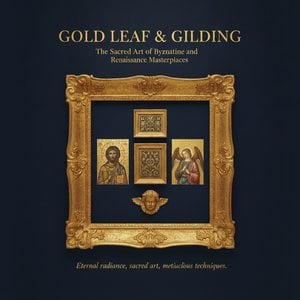
Explore the divine mastery of Byzantine gold leaf and gilding. Discover how ancient artisans used gold ground and mosaics to create celestial light, a timeless legacy of spiritual splendor and technical excellence in sacred art history.

Embark on a visual journey through the world's most radiant masterpieces. Discover how gold leaf, impasto textures, and gilded tones define luxury in fine art, from Byzantine icons to modern abstracts. Explore the eternal allure of gold in curated, museum-quality art collections.

 Odoslať
 Zdieľať
 Podrobnosti o dielo

 Stiahnuť
 Podobné diela
 Prezentácia


 Zobraziť viac




































 Možnosť skla je dostupná len pri rozmeroch pod 110 cm


