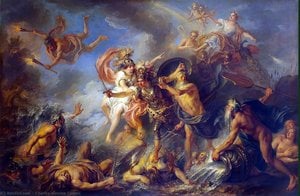
A Pioneer Bridging Worlds: The Life and Legacy of Benjamin West
Benjamin West, meno známy ako Benjamin West Clinedinst, bol americký maliar, ktorý sa stal významnou figúrou v transatlantickom uměleckém svete. Jeho život a dielo sú príbehom o nekonvenčnej vzdelanosti, nezlomnej ambícii a schopnosti spájať aristokratické okruh a revolučné ideály. Narodil sa v roku 1738 v malom prostredí koloniálneho Pensylvanského Springfieldu, kde jeho otec vlastnil pivovar. Už od útleho veku prejavil záujem o umenie – údajne sa učil základným technikám od indiánskych obyvateľov pred tým, ako dostal akékoľvek formálne vzdelanie. Tento nekonvenčný začiatok vložil doňho ducha inovácie, ktorý charakterizoval celý jeho životný príbeh. Rýchlo si upevnil postoj ako žiadaný portrétista v Philadelphii a New Yorku, no túžba po hlbšom umeleckom poznaní ho viedla k pobytu v Európe v roku 1760, kde sa začal prechádzať cestou, ktorá zásadne zmenila smer amerického umenia.
From Italy to London: Forging a Path to Recognition
Westov prílet do Talianska bol prelomový okamih. Ponorený do umeleckého srdca Európy, študoval majstrovské diela – Titiana, Rafaela – a spájal sa s súčasnými neoklasicistickými mysliteľmi ako Anton Rafael Mengs a Angelica Kauffman. Táto éra bola kľúčová pre formovanie jeho umeleckých vkusov, vložila doňho obdiv pre klasickú formu a historický príbeh. Avšak Londýn sa stal jeho adoptovaným domovom a umeleckým centrom. Jeho príchod v roku 1763 ho rýchlo posadil na postavenie v britskom uměleckom svete, pričom zaujal divákov svojimi ambicióznymi plátnymi a zabezpečil si podujatie od kráľa Georgea III. Toto kráľovské uznanie neprinieslo len finančnú stabilitu, ale aj upevnil jeho postoj ako vedúceho predstaviteľa v establishmente. Dôležitým okamihom bol jeho zvolenie do Kráľovskej akadémie v roku 1769, inštitúcie, ktorú neskôr riadil ako prezident až do svojej smrti. Jeho vplyv sa nezaoberal len jeho vlastným uměleckým dielom; West stal sa propagátorom amerických umelcov, ktorí hľadali vzdelanie v Európe, ponúkol vedenie a podporu generáciám nadšiacich maliarov ako Allston, Copley a Morse.
Revolutionizing Historical Painting: Technique and Controversy
Westov dopad na umelecký svet nebol len o dosiahnutí technickej maštre, ale aj o zpochybňovaní konvencií. Odvážil sa preformulovať historické plátno, odmietol striktné dodržiavanie klasického precedensu a prijal si viac modernú citlivosť.
The Death of General Wolfe (1770), pravdepodobne jeho najznámejší diel, ilustruje túto revolučnú prístup. Tým, že zobrazoval padnutého generála obkročeného postavami v *modernom* vojenskom oblečení namiesto tradičného rímskeho odevu, West vyvolal značné debaty. Kritici spochybňovali historickú presnosť, ale diváci boli očarený okamžitou a emocionálnou rezonanciou scény. Tento odvážny krok signalizoval posun k väčšej realite a mocnejšiemu príbehu v histórickom plátne, čo ovplyvnilo mnohých nasledovníkov. Jeho štýl sa časom vyvíjal, pričom do svojich neskorších diel začlenil prvky romantizmu, no vždy si zachoval záväzok k ambicióznej kompozícii a detailnému prevedeniu. Iné významné diela ako
Thetis Bringing the Armor to Achilles,
The Three Sisters,
The Fright of Astyanax a
The Cave of Despair demonštrujú jeho všestrannosť a maštre v rôznych mytologických a historických témach.
A Lasting Legacy: Shaping Artistic Identity
Benjamin Westova dedičnosť presahuje samotné plátna, na ktorých pracoval. Zmenil krajinu amerického umenia tým, že upevnil histórií plátno ako životaschopný žánr pre amerických umelcov a podnietil pocit národnej umeleckej identity. Jeho funkcia prezidenta Kráľovskej akadémie posilnila jeho vplyv na britské umenie, podporoval inovácie a poskytoval priestor pre mladých talentovaných umelcov.
- Zavidel si prístup k historickému zobrazovaniu, ktorý bol viac dostupný a emocionálne rezonančný.
- Jeho štúdio sa stal útočiskom pre amerických umelcov, ktorí hľadali vzdelanie v Európe.
- Spojil neoklasicistké ideály s rozvíhajúcim sa romantizmom.
Westov inovatívny duch, spojený s diplomatickými schopnosťami a nezlomnou oddanosťou svojej práci, si zaslúžil trvalé uznanie ako “americký Rafael”. Jeho život skončil v Londýne v roku 1820, zanechal za sebou dielo, ktoré dodnes inšpiruje úžas a obdiv. Jeho príbeh je dôkazom umeleckej vôle, dôležitosti kultúrnej výmeny a trvalej dedičnosti umelca, ktorý sa odvážil zpochybniť konvencie a vytvoriť si vlastný smer.



 Zobraziť v interiéri
 Prepnúť na tlač
 Odoslať
 Zdieľať
 Podrobnosti
 Príručka

 Stiahnuť
 Podobné položky
 RTG skúška
 Prehliadanie diapo\]
 Štatistiky


 Prečítať si viac