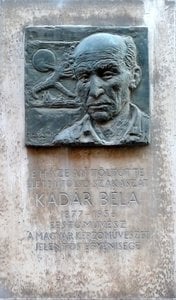
Maďarský hlas avantgardy: Život a umenie Béla Kádára
Narodený v roku 1877 v Budapešti do robotníckej židovskej rodiny, prešiel Béla Kádár cestou, ktorá ho vynesla na pozíciu kľúčovej postavy maďarskej avantgardy začiatkom 20. storočia – cestu utkanú z ťažkostí aj neochvejnej vášne pre umelecké objavovanie. Jeho formálne vzdelanie sa zastavilo už po šiestich rokoch, no práve tento nedostatok tradičného školenia sa zdal byť jeho oslobodením od konvencií, čo mu umožnilo vytvoriť si unikátny, osobný vizuálny jazyk. Kádár nezačinal svoju profesionálnu dráhu s pędzlom v ruke, ale ako učeň sústručnik – remeslo, ktoré hlboko ovplyvnilo jeho umeleckú citlivosť a vtmlilo doň hlboké pochopenie formy, štruktúry a prirodzenej krásy skrytej v priemyselných materiáoch. Už aj v týchto raných rokoch však jeho tvorivý duch jasne vynikol; spočiatku sa venoval maľovaniu stien v Budapešti, čím prejavil vrodenú sklonnosť k veľkolepej vizuálnej expresii a rozprávaniu príbehov. Toto základné obdobie položilo základy pre odvážne a dynamické kompozície, ktoré by neskôr definovali celé jeho dielo.
Paríž, Berlín a syntéza štýlov
Skutočným katalyzátorom Kádárovho umeleckého vývoja sa stali jeho cesty do Paríža a Berlína v roku 1910. Tieto cestovania ho vystavili prichádzajúcim avantgardným prúdovom, ktoré trasú po celej Západnej Európe, čo nevratne zmenilo jeho umeleckú trajektóriu. Stretol sa s radikálnymi myšlienkami skupiny Der Blaue Reiter, fragmentovanými formami kubizmu, dynamizmom futurizmu a surovou energiou neo-primitívizmu – vplyvmi, ktoré neprijal len tak mechanicky, ale skôr ich prepojil do vlastného, odlišného vizuálneho slovníka. Kádár sa nespolahloval na prisluhovanie žiadnej konkrétnej „škole“; namiesto toho sa vydal na neustále skúmanie formy, farby a kompozície, poháňaný nesklamateľnou túžbou vytrhnúť sa okovy tradičného reprezentatívneho umenia. V sebe vstrebával prvky konštruktivizmu a dokonca aj snové kvality metafyzickej maľby, pričom ich tkal do komplexnej tapetérie odrážajúcej jeho jedinečný pohľad. Toto obdobie znamenalo kľúčový zvrat, ktorý ho premenil z nádejného murára na skutočne inovátora na prahu medzinárodného uznania.
Uznanie a medzinárodné vystúpenie
Kádárov moment prelomového úspechu prišiel v októbri 1923 s výstavou v prestížnej Berlínskej galérii Galerie der Sturm Herwartha Waldena. Táto prezentácia predstavila jeho prácu v jasne expresionistickom štýle, čím okamžite priťiahla pozornosť a upevnila jeho postavenie ako významnej sily na eurómskej umeleckej scéne. Galéria, známa podporou radikálnych nových hlasov, poskytla Kádárovi ideálnu platformu na spojenie sa s kolecionármi a spolupracovníkmi, ktorí zdieľali jeho záujem o experimentovanie. Ďalšie posilnenie jeho medzinárodného profilu priniesli dve výstavy organizované Katherine Dreier v Brooklynskom múzeu umenia v New Yorku v rokoch 1926 a 1928. Kádár sa zúčastnil dokonca aj druhej výstavy, čím si upevnil svoju prítomnosť na americkej umeleckej scéne a vytvoril si cenné väzy v rámci rozmachujúceho sa modernizmu na druhý breh Atlantiku. Jeho maľby z tohto obdobia často zachytávali scény čerpané z maďarského folklóra, intímne portréty a pohľady na dedinský život – témy vykreslené odvážnou farebnou paletou a dynamickými kompozíciami, ktoré zachytávali ducha jeho vlastnej krajiny aj energiu modernej éry.
Odkaz odvážnej inovácie
Kádárov umelecký štýl je okamžite rozpoznateľný pre svoj živý a expresívny spôsob použitia farby, pričom často využíval neprírodné odtiene na vyjadrenie emócie a atmosféry. Jeho kompozície sú charakteristické hmatateľným pocitom pohybu a energie, dosahovaným prostredníctvom prepojenia línií, tvarov a foriem, ktoré sa zdajú byť na plátne v neustálom vibrovaní. Často využíval techniku impasto – nanovanie hrubých vrstiev farby – čím vytváral textúrované povrchy, ktoré umocňujú vizuálny dopad jeho diela a pozývajú k taktilnému objavovaniu. Avšak to, čo Kádára skutočne odlišuje, je jeho pozoruhodná schopnosť syntetizovať tieto rozmanité umelecké vplyvy do jednotného a originálneho štýlu. Predstavuje dôležitý prepojovací článok medzi maďarskou avantgardou a širšími európskymi prúdmi jeho doby, pričom v svojej tvorbe odráža sociálne a politické nepokoje začiatku 20. storočia. Hoci počas svojho života nebol vždy tak široko oslavovaný ako niektorí jeho súčasníci, Kádárov tvorba za posledné desiatročia zažila renesanciu, pričom odborníci čoraz viac uznávajú jeho významný prínos k modernému umeniu. V roku 1956 zomrel v Budapešte a zanechal po sebe odkaz odvážnych a inovatívnych malieb, ktoré stále inšpirujú umelcov a fascinujú publikum – svedočstvo o trvalej sile umelca, ktorý sa odvážil vykročiť vlastnou cestou.
Kľúčové charakteristiky Kádárovej tvorby
- Odvážna farebná paleta: Kádár bol známy svojím živým a expresívnym použitím farieb, pričom často využíval neprírodné odtiene na vyjadrenie emócií a atmosféry.
- Dynamická kompozícia: Jeho skladby sú charakteristické pocitom pohybu a energie, dosahovaným prostredníctvom interakcie línií, tvarov a foriem.
- Technika impasto: Často používal hrubé vrstvy farby (impasto) na vytváranie textúrovaných povrchov a zvýšenie vizuálneho dopadu svojich diel.
- Jedinečná syntéza: Kádárova schopnosť prepojiť rozmanité umelecké vplyvy do jednotného a originálneho štýlu z neho robí významnú postavu raného 20. storočia.
- Témy a motívy: Jeho maľby často zobrazujú scény z folklóru, dedinský život a intímne portréty, vykreslené s výraznými farbami a dynamikou. Preskúmal aj abstraktné témy a experimentoval s fragmentovanými formami.



 Zobraziť v interiéri
 Prepnúť na tlač
 Odoslať
 Zdieľať
 Podrobnosti
 Príručka

 Stiahnuť
 Podobné položky
 RTG skúška
 Prehliadanie diapo\]
 Štatistiky
 Prečítať si viac