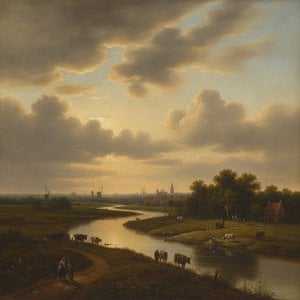
Biografia umelca
Majster amsterdamského zlatého veku: Život a dielo Bartholomeusa van der Helsta
Bartholomeus van der Helst, rodený v Haarleme roku 1613, sa rýchlo vynikol ako jeden z popredných portrétistov holandského zlatého veku. Hoci jeho skoré roky ostávajú zahalené tajomstvom – záznamy o narodení z tohto obdobia v Haarleme sú bohužiaľ stratené – vieme, že sa presťahoval do Amsterdamu, rušného centra obchodu a umeleckej inovácie, kde si založil dielňu okolo roku 1636. Jeho sobáš s Annou du Pire, sirotou z prosperujúcej južnoduchozemskej rodiny, naznačuje spojenie s kvetúcim amsterdamským obchodníckym stavom, sieťou ktorá sa ukázala ako zásadná pre jeho rozvíjajúcu sa kariéru. Pôvodné vzdelanie van der Helsta je predmet debát, no mnohí odborníci veria, že ho mohol ovplyvniť Nicolaes Eliaszoon Pickenoy, rešpektovaný amsterdamský portrétista. Tento vplyv je viditeľný v precíznych detailoch a rafinovanej technike jeho skorých diel, ako napríklad pôsobivý *Regenti Walloonského sirotinca* (1637), ktorý okamžite odhalil jeho talent zachytiť podobu aj charakter.
Zachytávanie éry: Portrétna tvorba a štýl
Umelecká signatúra van der Helsta spočíva v schopnosti zobraziť eleganciu a bohatstvo amsterdamskej elity. Jeho portréty neboli len reprezentáciami; boli prejavmi statusu, starostlivo konštruovanými naratívmi odrážajúcimi postavenie portrétovanej osoby v spoločnosti. Mal pozoruhodnú zručnosť vykresľovať luxusné látky, lesk šperkov a honosné prostredie s úchvatným realizmom. No popri technickej majsternosti van der Helst rozumel tomu, ako zachytiť *podstatou* svojich subjektov – ich osobnosť, ambície a miesto vo svete. To je obzvlášť zreteľné v jeho skupinových portrétoch, žánri, v ktorom exceloval. Na rozdiel od niektorých súčasníkov, ktorí uprednostňovali dynamické kompozície plné pohybu, van der Helst často volil formálnejšie aranžmány, zdôrazňujúc jasnosť a individuálnu osobitosť v rámci kolektívu. Jeho najvýznamnejším úspechom v tomto smere je bezpochyby *Hostina v cechu kučerov na oslavu Vestfálskej mierovej zmluvy* (1648). Toto monumentálne dielo, nabité precízne vykreslenými postavami, nie je len záznamom udalosti; je to živý obraz zachytávajúci ducha oslavy a občianskeho pýchy po skončení osemdesiatročnej vojny.
Chvíľa slávy: Úspechy a vplyvy
Do polovice 40. rokov 17. storočia van der Helst prekonal dokonca aj Rembrandta v popularite medzi bohatými patrónmi Amsterdamu – dôkaz jeho schopnosti vytvárať portréty, ktoré rezonovali s ich vkustom a ambíciami. Stal sa preferovaným umelcom pre zobrazenie popredných obchodníkov, úradníkov a členov prominentných cechov mesta. Jeho úspech nebol obmedzený len na portrétnu tvorbu; skúmal aj žánrové scény a biblické motívy, hoci tieto práce sú menej početné ako jeho oslavované podobizne. Vplyv van der Helsta presahoval hranice jeho vlastného života. Ludolf Bakhuizen, renomovaný morský maliar, mu na niekoľko príležitostí pomáhal, absorbujúc cenné lekcie kompozície a techniky. Jeho odkaz je viditeľný v dielach ďalších holandských umelcov, ktorí boli priťahovaní jeho rafinovaným štýlom a majstrovskou manipuláciou so svetlom a tieňom. Dnes sú jeho obrazy cenenými majetkami múzeí ako Rijksmuseum v Amsterdame a možno ich nájsť aj v zbierkach po celom svete, vrátane tých dostupných prostredníctvom platforiem ako WahooArt.com.
Rodina, odkaz a posledné roky
Osobný život van der Helsta bol poznačený radosťou i smútkom. S Annou du Pire mal šesť detí, no prežili len dve dospelé. V roku 1647, keď jeho rodina rástla a dielňa sa rozširovala, presťahoval sa do väčšieho domu na Walenpleintje v Amsterdame. Jeho syn Lodewijk nasledoval otcove stopy a stal sa maliarom – hoci nedosiahol rovnakú úroveň slávy. Bartholomeus van der Helst zomrel v Amsterdame 16. decembra 1670, zanechávajúc po sebe bohaté umelecké dedičstvo, ktoré naďalej fascinuje a inšpiruje. Významne prispel k rozvoju portrétnej tvorby počas holandského zlatého veku, stanovujúc štýl charakterizovaný eleganciou, detailom a citlivým vnímaním individuálneho charakteru v rámci jednotlivých portrétov aj komplexných skupinových kompozícií. Jeho diela zostávajú silným svedectvom živého obdobia a majstrovstva trvalej zručnosti.



 Zobraziť v interiéri
 Objednať ručne maľovanú reprodukciu
 Odoslať
 Zdieľať
 Podrobnosti
 Príručkovo

 Stiahnuť
 Podobné položky
 RTG skúška
 Prehliadanie diapo\]
 Štatistiky


 Prečítať si viac






































 Možnosť skla je dostupná len pri rozmeroch pod 110 cm