


 Oil On CanvasWallArtAcademic Realism
 192019th Century
 59.0 x 38.0 cm
 Museu do Oriente
Giclée tlač alebo plátno múzeálnej kvality s rýchlou výrobou a flexibilnými možnosťami povrchovej úpravy. ( Kúpiť ručne maľovaný obraz Kúpiť obrázok)





























Vyberte si z našich preddefinovaných rozmerov, ktoré zodpovedajú pôvodným pomeroḿ diela.

Môžete zadať vlastné rozmery, aby sa reprodukcia prispôsobila konkrétnemu rámu alebo priestoru. Ak zvolená veľkosť nebude zodpovedať proporciám originálu, dielo buď orežeme, alebo obraz rozšírime pomocou zrkadlenia či farebného doplnenia okrajov. Pred začatím výroby vám pošleme digitálnu ukážku na schválenie.
Máte na vedomí, že náhľad na obrazovke neodzrkadľuje skutočné orezanie alebo rozšírenie. Len digitálna ukážka presne zobrazí finálnu kompozíciu.
Hoci sú k dispozícii vlastné rozmery, pre zachovanie pôvodných proporcií odporúčame vybrať si rozmer z vopred definovaného zoznamu.
Celosvetová doprava () do 2 týždňov namiesto štandardných 4/5 týždňov. (6 september)


Punjabi Mintrel
Veľkosť reprodukcie
This evocative portrait, titled Punjabi Mintrel, transports the viewer directly into the vibrant, pulsating heart of colonial India—perhaps a bustling bazaar in Bombay or a quiet gathering place in a village square. The subject, a Punjabi minstrel, stands as a captivating figure, his gaze meeting the viewer’s with an unwavering confidence that speaks volumes of his profession and spirit. He is not merely posing; he is asserting his availability to weave tales and melodies for any appreciative audience. The scene pulses with the energy of itinerant life, capturing a moment suspended between performance and repose.
António Xavier Trindade masterfully employs strong colour contrasts and expressive brushwork to breathe palpable life into this composition. Observe the rich interplay of his attire: the striking red and green tones of his turban and shawl against the crisp white of his clothing, all hallmarks of traditional Punjabi dress. The artist’s technique allows us to feel the texture of the materials—the weight of the cloth, the gleam of the instruments. He carries a tambourine in one hand and what appears to be a gandasa, an implement suggesting both labor and rhythm, alongside a small potli slung over his shoulder. These details ground the portrait in a specific cultural reality.
The minstrel himself is a potent symbol. His bare feet speak eloquently of a life lived on the move, an existence that requires resilience and adaptability. He represents the oral tradition—the keeper of folk tales and Sufi poetry—a cultural memory passed down through song rather than scripture alone. The inclusion of these traditional props elevates him beyond a simple portrait; he becomes an embodiment of India’s rich, living folklore. Trindade captures not just a man, but a vital thread in the tapestry of Indian culture.
What adds a layer of intriguing depth is the visible touch of the artist's hand—or perhaps his pause. The lower garment and feet are rendered with a sketchier, unresolved quality. This incompleteness invites contemplation; it suggests that the moment itself was fleeting, captured just as Trindade’s own inspiration shifted. It lends the piece an air of immediacy, making the viewer feel like an unseen witness to a private, vibrant exchange.
For collectors and designers seeking art with deep narrative resonance, this reproduction offers more than mere decoration; it offers a window into a bygone era brimming with human connection. The composition, set outdoors with background figures subtly observing the main subject, creates an immersive depth perfect for any space desiring an exotic yet deeply soulful focal point. Owning this piece is to own a fragment of India’s enduring artistic spirit.


1870 - 1935 , Írsko

Explore the life & art of Raja Ravi Varma, a pioneer who fused European techniques with Indian iconography. Discover his iconic paintings, lasting legacy, and influence on modern Indian art at WahooArt.

Explore the complex relationship between modern art, colonialism & cultural appropriation (1830-1950). Expert analysis for discerning collectors & art enthusiasts. Discover hidden histories and informed perspectives.
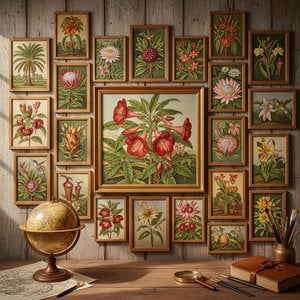
Objavte top 25 diel Marianne North, viktoriánskej umelkyne a botanickej ilustrátorky. Farebné obrazy exotických rastlín a tropickej flóry pre váš domov. Kvalitné reprodukcie obrazov na WahooArt.com – inšpirujte sa!
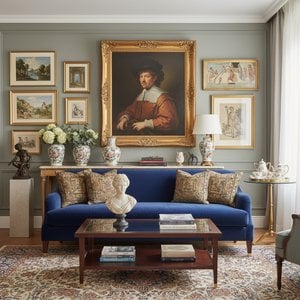
Objavte top 25 majstrovských diel Hermitage Museum v Petrohrade! Rembrandt, Leonardo da Vinci a ďalší umelci. História umenia, techniky a reprodukcie obrazov pre váš interiér. Explore the full collection online na WahooArt.com

Objavte top 25 diel Édouarda Maneta – impresionistické majstrovské diela, realistické portréty a ikonické obrazy. Umenie pre váš domov s WahooArt.com! Kúpiť luxusné reprodukcie online.

 Náhľad
 Odoslať
 Zdieľať
 Podrobnosti o dielo

 Stiahnuť
 Podobné diela
 RTG skúška
 Prezentácia
 Zobraziť viac







 Možnosť skla je dostupná len pri rozmeroch pod 110 cm


