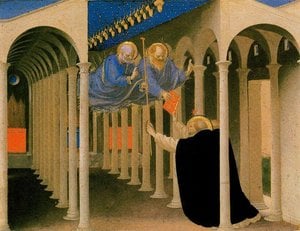
Giclée tlač alebo plátno múzeálnej kvality s rýchlou výrobou a rôznymi možnosťami povrchovej úpravy. ( Kúpiť ručne maľovaný obraz Prepnúť na digitálny obraz)





























Vyberte si z našich preddefinovaných rozmerov, ktoré zodpovedajú pôvodným pomeroḿ diela.

Zadajte šírku a výšku, ktoré potrebujete, aby sa reprodukcia hodila k vášmu rámu alebo stene. Print možno len orezávať, nikdy však nemennú veľkosť zvětšiť oproti pôvodnému obrázku, preto pri inom formáte stráca časť obrazu. Pred samotným vytlačiacím procesom vám pošleme digitálny náhľad na schválenie. Obrázok zobrazený na tejto stránke nezobrazuje reálny rez — len digitálny náhľad ukazuje presný výsledok.
Celosvetová doprava () do 2 týždňov namiesto štandardných 4 až 5 týždňov. (9 november)
Svätá Eufémia
Veľkosť reprodukcie
In the quiet, contemplative space of Andrea Mantegna’s St. Euphemia, completed in 1454, viewers are invited into a profound encounter with the divine and the classical. This masterpiece serves as a cornerstone of Early Renaissance expression, capturing a moment where religious fervor meets the intellectual revival of Roman antiquity. The saint herself is presented within a striking arched niche, an architectural device that does far more than frame her figure; it creates a breathtaking illusion of depth, drawing the observer into a sacred realm that feels tangible and immediate. Mantegna’s mastery of linear perspective guides the eye toward a vanishing point behind the saint, establishing a sense of three-dimensionality that was revolutionary for its time, signaling a decisive departure from the flatter, more decorative Gothic traditions.
The emotional resonance of the work is deeply rooted in its somber and reverent atmosphere. Mantegna employs a deliberately subdued color palette, dominated by earthy hues of brown, ochre, and deep red. These tones evoke a sense of solemn piety, creating a mood of quiet contemplation that is perfect for spaces designed for reflection or high-end classical interiors. To break the gravity of these muted shades, the artist strategically utilizes accents of gold leaf to highlight the saint’s crown, her jewelry, and the intricate folds of her drapery. This subtle luminosity provides a celestial spark amidst the shadows, emphasizing the spiritual significance of her station.
Beyond its visual beauty, St. Euphemia is a rich tapestry of Christian iconography and archaeological precision. The saint stands as a powerful emblem of triumph over adversity; she holds aloft a palm branch, the universal symbol of martyrdom, while her hands are raised in a gesture of benediction. Every element of her attire and surroundings speaks to her sanctity and royal status. In some interpretations of this period, the presence of a lion or specific wounds serves to remind the faithful of her endurance through persecution, adding layers of narrative depth that engage both the heart and the intellect.
The technical execution of the piece reveals Mantegna’s unwavering commitment to detail and his fascination with the textures of the ancient world. Utilizing tempera paint—pigments bound with egg yolk—on a wooden panel, the artist achieved a velvety texture and subtle gradations in tone that allow the light to sculpt the saint's form with remarkable precision. This meticulous layering of pigment ensures a durability and depth of color that makes a high-quality reproduction particularly captivating for collectors. For the interior designer or art enthusiast, this work offers more than mere decoration; it provides a window into the Renaissance soul, bringing a sense of historical weight, sculptural dignity, and timeless grace to any curated collection.
Pre dielo „Svätá Eufémia“ je možné si zakúpiť digitálnu verziu: na stránke Stiahnuť digitálnu verziu pre toto dielo si môžete stiahnutie digitálneho obrázka vo vysokom rozlíšení.
Autorom diela „Svätá Eufémia“ je Andrea Mantegna. Prácu nájdete v katalógu pod menom Andrea Mantegna.
Odporúčané použitie (Centrálny bod) a priestor (Obývací izba) pre dielo „Svätá Eufémia“ od Andrea Mantegna.


1431 - 1506 , Taliansko

Ponorte sa do sveta 10 slávnych obrazov v odtieňoch hľuzoviek! Objavte príbehy Van Gogha, Moneta a ďalších majstrov. Reprodukcie pre váš domov s WahooArt – umenie online.

Objavte top 10 slávnych obrazov v odtieňoch hliny! Prežite príbehy Van Gogha, Picassa a ďalších majstrov. Reprodukcie pre váš domov s WahooArt – umenie, ktoré vás inšpiruje. Preskúmajte celú kolekciu online!

Objavte top 10 slávnych obrazov v nádherných pieskových odtieňoch! Prežite príbehy Van Gogha, Moneta a ďalších majstrov. Reprodukcie obrazov pre váš domov na WahooArt.com – umenie s kvalitou múzeí.

Explore the captivating world of earth tones in art! Discover historical context, emotional resonance & artistic techniques behind these timeless colors. Find inspiration for your home decor and museum-quality reproductions.
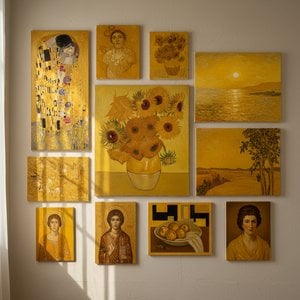
Objavte top 10 slávnych obrazov s dominantnou žltou okrou! Van Gogh, Monet a ďalší majstri impresionizmu. Inšpirujte sa farebnými dielami pre váš interiér a kúpite kvalitné reprodukcie na WahooArt.sk.
 Náhľad v interiéri
 Odoslať ako digitálnu kartu
 Zdieľať
 Podrobnosti o dielo
 Príručka

 Stiahnuť obraz
 Podobné položky
 RTG skúška
 Prehliadanie diapozoje
 Otázky a odpovede
 Štatistiky


 Zobraziť viac









 Možnosť skla je dostupná len pri rozmeroch pod 110 cm