Pionier orientalistických vizí: Život a umenie Alexandre Gabriel Decamps
Alexandre Gabriel Decamps, meno rezonujúce živými odtieňmi exotických krajín a dramatickým šarmom romantizmu, sa objavil ako kľúčová postava francúzskeho maliarstva 19. storočia. Narodený v Paríži 3. marca 1803, prešiel umeleckou cestou odvážnych inovácií, ktoré spochybňovali akademické konvencie a kráčali smerom k tomu, čo sa neskôr začalo nazývať orientalizmus. Hoci jeho súčasníci, ako Delacroix či Ingres, si držali významné pozície vo francúzskom umeleckom svete, Decamps sa odlíšil intenzívnym osobným štýlom – prepojením dôsledného pozorovania, dramatickej kompozície a pútavého naratívneho kvalitného prvku, ktorý divákov vtáčal do svetov, ktoré boli súčasne známe aj úplne cudzí. Jeho skoré uznanie ako talentovaného umelca predznamenalo kariéru poznačenú kritickým uznaním, čo vyvrcholilo získaním veľkej alebo radcovkej medaily na Parížskej výstave v roku 1855, čo bolo svedectvom jeho výnimočných schopností a jedinečného videnia. Okrem plátna bol Decamps muž hlboko prepojený s prírodou; nachádzal útechu a inšpiráciu v krajine okolo Paríža, kde sa venoval svojej vášni pre zvieratá a poľovnícke športy – záľuba, ktorá sa jemne prelievala do veľkej časti jeho umeleckej tvorby.
Od Písma k Sahare: Evolúcia umeleckého štýlu
Decampsov umelecký vývoj charakterizovala ochota skúmať rozmanité témy a techniky. Počiatky, ktoré smerovali k historickým a biblickým scenám, ho rýchlo odlíšili tým, že tieto príbehy vykresľoval s nepredchádzajúcou úrovňou realismu – zakotvoval ich do autentických miestnych prostredí namiesto toho, aby sa spoliehal na idealizované alebo konvenčné zobrazenia. Toto prikladanie si verosimilitu (pravdepodobnosti) pochádzalo z jeho ciest na Východ, čo boli zážitky, ktoré hlboko ovplyvnili jeho umeleckú citlivosť. On neopisoval len to, čo videl; dokázal vyjadriť pocit z atmosféry, svetla a samotnej podstaty týchto vzdialených krajín.
Joseph predaný svojimi bratmi, napríklad, nie je len ilustráciou biblického príbehu, ale živým portrétom konkrétneho času a miesta, preplývajúcim emocionálnou hĺbkou a psychologickým vhľadom. Tento prístup sa rozšíril aj do jeho väčších historických diel, ako je
Porážka Cimbrov, kde majstrovsky zachytil chaos a brutalitu bitvy a preukázal svoju schopnosť zvládať veľkomierny kompozíciu s dynamickou energiou. Avšak práve jeho zobrazenia orientálneho života ho skutočne odlíšili. Odhalil každodenné scény – trhy, školy, domáce interiéry – s vernosťou, ktorá spočiatku mätala kritikov zvyknutých na viac romantizované alebo stereotypné predstavy.
Otec orientalizmu a jeho trvalý vplyv
Decamps je právom považovaný za zakladateľa orientalizmu vo francúzskom maliarstvo. Pred ním boli zobrazenia Východu často filtrované cez šošovku fantazie a exotizmu. On však predstavil iné videnie – zakorenené v priamom pozorovaní a skutočnom zvedavosti. Jeho výstavná šou v Salóne v roku 1831 znamenala zlomový bod, ktorý predstavil parížskemu publiku neupravený pohľad na život v Severnej Afrike a Blízkom východe. Tento revolučný prístup rezonoval u umelcov aj spisovateľov a inšpiroval vlnu orientalistických diel, ktoré dominovali väčšine 19. storočného umenia. Jeho štýl – vyznačujúci sa odvážnými ťahmi štetca, striking kontrastmi svetla a tieňa a hmatateľným pocitom atmosféry – sa stal referenčným bodom pre generácie maliarov, fotografov a autorov.
Maxime du Camp ho preslávne nazval „Kryštof Kolumbus Orientu“, čím uznal jeho pioniersku úlohu pri otváraní tohto nového umeleckého teritória.
Albánska tanečnica, so svojimi živými farbami a energetickou kompozíciou, je príkladom jeho schopnosti zachytiť ducha kultúry pri zachovaní jasne francúzskeho estetického citu. Dokonca aj satyrické práce, ako napríklad
Opičí znalci, čo bol vtipný útok na konzervatívnu porotu Académie des Beaux-Arts, demonštrujú jeho ochotu brániť sa établovaným normám a prijatím nezávislejšej umeleckej vízie.
Tragický koniec a nesmrteľné oddedičenie
Tragicky bol Decampsov život prerušený 22. augusta 1860 vo veku 57 rokov po poľovníckej nehode v blízkosti Fontainebleau. Jeho predčasná smrť okravila svet umenia o skutočne inovatívny talent, no jeho odkaz však pokračuje vďaka jeho pútavým obrazom a ich trvalému pôsovanie. Dnes sú majstrovské diela ako
Požiar talianskej dediny, s jeho dramatickým zobrazením konfliktu a majstrovským použitím impastu, spolu s dielom
Beduin a কৰিaca কৰিaca কৰিaca v púšti, ktoré ukazuje textúry a pokoj púščneho života, oslavované pre ich umeleckú hodnotu a historický význam. Jeho diela možno nájsť v prestížnych inštitúciách, ako je Musée du Louvre v Paríži, čo zaručuje, že jeho vízia bude naďalej inšpirovať a očarovať publikum po celom svete. Platformy ako WahooArt.com zohrávajú dôležitú úlohu pri zachovávaní a šírení jeho umenia, ponúkajúc vysokokvalitné reprodukcie, ktoré umožňujú obdivovateľom zažiť krásu a silu Decampsových maľieb na vlastnej oči. Jeho vplyv presahuje sféru maliarstva, formuje vnímanie Východu a zanecháva nezmazateľnú stopu v kultúrnej krajine Európy 19. storočia.
Objavovanie Decampsovho sveta: Významné diela
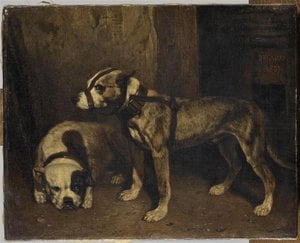
- CHIENS BRIFAUTS: Čarovná orientalistická scéna zobrazujúca psy v živom prostredí.
- LA COUR DE FERME: Pútavá maľba zo 19. storočia spájajúca francúzsky romantizmus s historickým detailom.
- L’ÉCOLE TURQUE: Živý opis truly tureckej školy, zachytávajúci energiu a atmosféru každodenného života.
- PAYSAGE TURC: Pokojná krajina preskúmavajúca realizmus a romantizmus v rámci francúzskeho prostredia.



 Náhľad
 Prepnúť na tlač
 Odoslať
 Zdieľať
 Podrobnosti o dielo

 Stiahnuť
 Podobné diela
 RTG skúška
 Prezentácia
 Štatistiky

 Zobraziť viac






































 Možnosť skla je dostupná len pri rozmeroch pod 110 cm