


 Acrylic On CanvasWallArtNorthern Renaissance
 1495
1495 246.0 x 428.0 cm
 Staatliche Museen zu Berlin
Ručne maľovaný olej na plátne vo vašej zvolenej veľkosti a v ráme, vyrobený na mieru našimi umelcami. ( Kúpiť tlač Kúpiť obrázok)





























Vyberte si z našich preddefinovaných rozmerov, ktoré zodpovedajú pôvodným pomeroḿ diela.

Môžete zadať vlastné rozmery tak, aby sa hodili do konkrétneho rámu alebo priestoru. Ak sa váš zvolený rozmer nezhoduje s pôvodnými proporciami obrazu, dielo buď orezáme, alebo ho doplníme ručne maľovanými prvkami. Pred začiatkom výroby vám zašleme digitálny náhľad na schválenie.
Upozorňujeme, že ukážka na obrazovke neodráža skutočné orezanie alebo doplnenie. Skutočnú finálnu kompozíciu zobrazuje iba digitálny náhľad.
Hoci sú k dispozícii vlastné rozmery, odporúčame vybrať rozmer z preddefinovaného zoznamu, aby sme zachovali pôvodné proporcie.
Celosvetová doprava () za 3 až 4 týždne namiesto štandardných 5 týždňov. (6 september). Bez kompromisov v kvalite.


Lobster
Veľkosť reprodukcie
Albrecht Dürer’s “Lobster,” a meticulously rendered pen drawing completed in 1495, isn't merely a depiction of a crustacean; it’s a profound meditation on nature, human perception, and the burgeoning spirit of Renaissance scientific inquiry. More than just an illustration, this work represents a pivotal moment in Dürer’s artistic journey – a conscious shift towards heightened realism and a deep engagement with the natural world that would define his later masterpieces. The drawing captures a lobster in its prime, a creature both formidable and subtly vulnerable, presented with an astonishing level of detail rarely seen in contemporary art. It's a testament to Dürer’s dedication to observation, a quality he relentlessly pursued throughout his career.
Dürer’s skill is immediately apparent in the astonishing level of detail. Every facet of the lobster – from the intricate patterns on its carapace to the delicate texture of its legs, the subtle sheen of its shell, and the minute details of its claws – are rendered with painstaking precision. He employed a technique known as “pointillé,” utilizing countless tiny dots of ink to build up tone and texture, creating an effect remarkably similar to oil paint. This method allowed him to achieve incredible depth and luminosity without relying on traditional pigments. The drawing’s composition is carefully balanced, guiding the viewer's eye across the creature’s form with a masterful understanding of perspective and proportion. Notice how Dürer subtly suggests movement – the lobster poised as if about to strike or retreat, imbued with a sense of quiet power.
The choice of pen is crucial; it allowed for an unparalleled level of control and precision, essential for capturing such minute details. The drawing’s surface itself reveals Dürer's process – the slight variations in ink pressure create subtle shifts in tone, adding to the work’s tactile quality.
“Lobster” emerged during a period of intense interest in natural history within the European Renaissance. Humanists were rediscovering classical texts and engaging with empirical observation – a shift away from purely theological interpretations of the world. Dürer, deeply influenced by this intellectual climate, sought to understand nature through direct study. This drawing isn’t simply a portrait; it's an act of scientific investigation, a detailed record of a creature that was both familiar and exotic to the artist. The lobster itself represents a connection to the sea – a vital resource and source of sustenance for many European communities.
Interestingly, Dürer’s fascination with animals extended beyond mere documentation. He frequently incorporated animal motifs into his prints and paintings, often imbued with symbolic meaning. The lobster, in this context, can be interpreted as representing strength, resilience, and perhaps even a hint of danger – qualities associated with the creature itself.
Beyond its technical brilliance, “Lobster” possesses a subtle emotional resonance. The drawing’s stillness invites contemplation, prompting us to consider the beauty and complexity of the natural world. The lobster's intense gaze seems to hold a quiet wisdom, suggesting an awareness beyond our own human experience. It is a reminder of the interconnectedness of all living things – a theme that would become increasingly prominent in Dürer’s later works. The drawing’s stark realism contrasts with the often-idealized representations of nature found in earlier art, offering a more honest and immediate engagement with the subject.
Today, “Lobster” stands as a testament to Dürer's genius – a captivating work that continues to inspire awe and admiration for its technical mastery and profound insights into the human condition. Reproductions of this iconic drawing offer a remarkable opportunity to bring this Renaissance masterpiece into your home or studio, allowing you to appreciate its beauty and symbolism firsthand.


1471 - 1528 , Nemecko
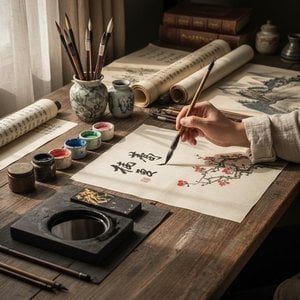
Embark on a sophisticated exploration of ink wash painting and Sumi-e. Uncover the profound historical lineages, Zen philosophies, and technical mastery behind this timeless medium in our authoritative guide for fine art enthusiasts.

Elevate your artistic practice with this expert guide to mastering the line. Discover advanced techniques in graphite, charcoal, and contour drawing designed for art students seeking technical precision and expressive depth in their fine art studies.

Explore the profound artistry of graphite drawing. Discover professional techniques for mastering depth, texture, and detail through a lens of art history, from classical sketches to modern masterpieces. Elevate your understanding of the pencil medium with our expert guide.

Discover the sophisticated mastery of graphite drawing. Explore expert techniques for achieving profound depth, intricate texture, and hyper-realistic detail through the alchemy of carbon, curated for the discerning art enthusiast and professional collector.

Embark on a profound journey through the soul of Chinese calligraphy. Explore the historical mastery of ink, brush, and script, from ancient Zhuanshu to elegant running script, and discover how this timeless art form reflects the enduring spirit of classical East Asian aesthetics.

 Náhľad
 Odoslať
 Zdieľať
 Podrobnosti o dielo

 Stiahnuť
 Podobné diela
 RTG skúška
 Prezentácia
 Zobraziť viac







 Možnosť skla je dostupná len pri rozmeroch pod 110 cm


