


Ručne maľovaný olej na plátne vo vašej zvolenej veľkosti a v ráme, vyrobený na mieru našimi umelcami. ( Kúpiť tlač Kúpiť obrázok)
Vyberte si z našich preddefinovaných rozmerov, ktoré zodpovedajú pôvodným pomeroḿ diela.

Môžete zadať vlastné rozmery tak, aby sa hodili do konkrétneho rámu alebo priestoru. Ak sa váš zvolený rozmer nezhoduje s pôvodnými proporciami obrazu, dielo buď orezáme, alebo ho doplníme ručne maľovanými prvkami. Pred začiatkom výroby vám zašleme digitálny náhľad na schválenie.
Upozorňujeme, že ukážka na obrazovke neodráža skutočné orezanie alebo doplnenie. Skutočnú finálnu kompozíciu zobrazuje iba digitálny náhľad.
Hoci sú k dispozícii vlastné rozmery, odporúčame vybrať rozmer z preddefinovaného zoznamu, aby sme zachovali pôvodné proporcie.
Celosvetová doprava () za 3 až 4 týždne namiesto štandardných 5 týždňov. (6 september). Bez kompromisov v kvalite.


Saying Grace
Veľkosť reprodukcie
To gaze upon Adriaen van Ostade’s Saying Grace is not merely to observe a painting; it is to step across the threshold and into the warm, intimate glow of a Dutch Golden Age hearth. This scene captures that profound, suspended moment just before sustenance—the collective pause where gratitude takes precedence over appetite. The composition centers around a sturdy dining table, laden with the promise of a shared meal, yet the true focus lies in the human connection surrounding it. Van Ostade masterfully renders a gathering of souls, their postures suggesting familiarity and deep-rooted community bonds. It speaks to a time when domestic life was not just about survival, but about ritual, fellowship, and the quiet acknowledgment of blessings.
Van Ostade’s technique is a testament to the meticulous observation characteristic of Dutch genre painting. While his early work flirted with the looser brushwork of masters like Frans Hals, here we see a refinement that lends an almost tangible weight to every fold of cloth and every expression on a face. The black and white nature of this print only heightens our appreciation for the tonal subtlety—the interplay between deep shadows pooling in the corners and the soft illumination catching the polished wood of the table. Notice how the light seems to emanate from an unseen source, bathing the central group in a gentle, almost sacred glow. This attention to atmospheric detail transforms what could be a simple depiction of dinner into a profound study of human interaction.
The dining table itself functions as a powerful symbolic anchor within the painting. It is the nexus point where disparate lives momentarily converge under the banner of shared experience. The act of "saying grace" transcends mere religious observance; it symbolizes gratitude for provision, for family, and for the simple gift of time together. In the context of 17th-century Dutch life, such gatherings were vital social affirmations. Every figure, whether seated or standing, contributes to a tapestry of quiet devotion. The bowl upon the table is not just food; it represents bounty, the tangible result of labor and providence.
For the collector or designer seeking to infuse a space with the rich narrative depth of history, a reproduction of Saying Grace offers unparalleled emotional resonance. It moves beyond mere decoration; it becomes a focal point for contemplation. Imagine this scene gracing your wall—it invites conversation, prompting viewers to pause and consider their own moments of grace. The style speaks to an appreciation for the domestic sublime, suggesting that true artistry can be found not in grand historical epics, but in the quiet dignity of everyday life shared among loved ones.


1610 - 1685 , Nemecko

Explore the life & work of Adriaen van Ostade, a leading Dutch Golden Age painter. Discover his realistic genre scenes, social commentary, and lasting influence on art history. Learn more at WahooArt.
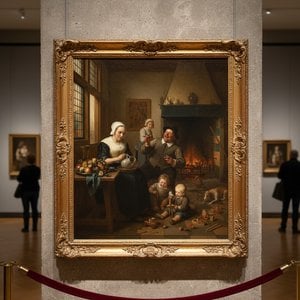
Explore the captivating world of Dutch Golden Age genre painting! Discover realistic depictions of daily life, masterful artists like Ostade & Metsu, and hidden symbolism. Learn about this influential art movement with WahooArt.
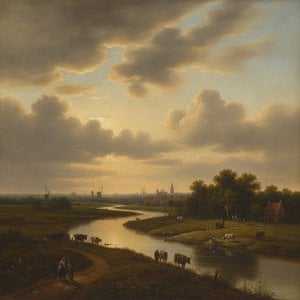
Discover the breathtaking beauty of Dutch Golden Age landscapes. Explore the mastery of light, chiaroscuro, and 17th-century realism through an expert art history lens, celebrating the enduring legacy of the Dutch Masters for discerning collectors and art lovers.

Ponorte sa do sveta holandskej Zlatej éry s WahooArt.com! Objavte príbehy Rembrandta, Vermeera a ďalších majstrov baroka. Reprodukcie obrazov pre váš domov – inšpirujte sa nadčasnými dielami. Preskúmajte kolekciu online!

Ponorte sa do sveta Rembrandta van Rijna s WahooArt.com! Objavte 25 majstrovských diel holandského baroka, portrétov a ikonických obrazov plných svetla a tieňa. Kúpiť kvalitné reprodukcie pre váš interiér. Preskúmajte celú kolekciu online!

 Odoslať
 Zdieľať
 Podrobnosti o dielo

 Stiahnuť
 Podobné diela
 Prezentácia


 Zobraziť viac




































 Možnosť skla je dostupná len pri rozmeroch pod 110 cm


