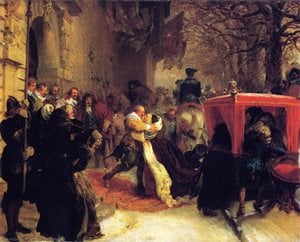
Adolph von Menzel: Život a Diarizmus – Kronikár 19. Storočia
Adolph Friedrich Erdmann von Menzel, meno nesmierne spojené s nemeckým realizmom, bol oveľa viac ako len maliar; bol vizuálnym kronikárom 19. storočia. Jeho život začal 8. decembra 1815 v Breslau (dnes Vroclav), nie v zasväšnených sálach umeleckých akadémií, ale v praktickom svete dielne jeho otca, ktorý sa venoval lítiografii. Tento skorý zoznamenie s reprodukciou a detailom hlboko ovplyvnilo jeho estetické vnímanie. Hoci bol prvotný cieľ jeho otca – profesor, – Adolphov vášeň pre umenie bola neodmietateľná, čo viedlo k krátkodobým štúdiám na Berlínskej akadémii umení v roku 1833 a neskôr k prevažne sebestudiačnému prístupu. Rýchlo sa odlišoval svojou precíznym kresťovaním a neobyčajnou schopnosťou zachytiť esenciu každodenného života, najprv prostredníctvom lítiografie, ale čoskoro sa rozširuje do maľby a rytiny – média, ktoré zvládol s nesmiernou zručnosťou. Menzelov život bol venovaný pozorovanému, prekladaniu sveta okolo neho na plátno a papier s presnosťou, ktorá sa dotýkala fotografickej realizmu, no vždy s jemným emocionálnym hĺbkom.
Od Historického Grandiózu po Intímné Momenty
Menzelov umelecký výstup bol pozoruhodne rozmanitý, rozsiahly od historických maľieb cez žánrové scény, portréty a krajinky. Rannú úspešnosť dosiahol prostredníctvom ilustrácií pre historické diela, najmä tých zobrazujúcich vládu Frederika Veľkého, pričom ukázal oddanosť presnosti a vyprávaniu príbehu, čo rezonovalo s rastúcim národným hrdosťou v Prúzsku. Tieto rozsiahle kompozície stanovili ho ako vedúceho historického maľára, uspokojujúc verejný dopyt po patriotických obrazoch v období významných politických a spoločenských zmien. Avšak jeho neskoršia práca – údajne neškodné žánrové maľby a intímné štúdie moderného života – pevne zakotvila jeho dedičstvo.
Železná rola, dokončená medzi rokmi 1872 a 1875, stojí ako monumentálna dosiahnutie, nie len pre svoju veľkosť, ale aj pre bezúratené zobrazenie priemyselnej práce. Je to scéna plná energie a driny, zachytávajúca surovú moc a ľudskú cenu rozvíjajúceho sa priemyslu. Nebolo to romantizovaný priemysel; bol to úprimný, hlboký a podstatne moderný prístup. Spolu s monumentálnymi historickými kompozíciami našiel Menzel krásu a význam aj v pokojnejších momentoch: pohľad cez francúzske okno, scéna v palácovej záhrade alebo jednoduchý portrét odhaľujúci charakter prostredníctvom jemných gest a výrazov.
Vplyvy a Vývoj Umelca
Aj keď bol Menzel vo veľkej miere sebestudiačný, nebol imúnny voči umeleckým vplyvom. Ľúbil si majstrovstvá holandských majstrov – ich zručnosť v svetle a stene, ich schopnosť zdvihnúť každodenný život na umenie – a prvky tohto vplyvu sa dajú nájsť v jeho kompozíciách a použití farieb. Avšak vytvoril si vlastný nemecký smer, odmietol prehnanú romantiku, ktorá bola rozšírená v niektorých súčasných kruhoch, a namiesto toho privilégioval objektívnejší, analytický prístup. Jeho dielo rezonovalo s francúzskymi umelcami; Edgar Degas, napríklad, hlboko obdivoval Menzelovu zručnosť, dokonca kópioval jeho práce a vyhlásil ho za „najväčšieho živého majstra“. Tento vzájomný rešpekt zdôrazňuje spoločné záväzky k realizmu a pozorovaniu, napriek odlišným národným kontextom. Menzelov vývoj nebol lineárny. Neustále experimentoval s technikou a témami, prechádzal sa od monumentálnych historických maľieb v ranom kariére po pokojnejšie a psychologicky hlboké scény, ktoré charakterizovali jeho neskoršiu tvorbu. Jeho rytárske zručnosti boli osobitne pozoruhodné, čo mu umožnilo dosiahnuť úroveň detaily a tónovej škály, ktorá ďalej zvýrazňovala jeho realistický štýl.
Dielo a Historická Významnosť
Adolph von Menzlova vplyv na nemeckú umenie je nepopierateľný. Spojil tradičný historický maľba s moderným realizmom a vytyčil cestu pre budúce generácie umelcov, aby skúmali nové témy a techniky. Jeho neskorý slávny obraz *Železná rola* (1872-1875) je dôkazom jeho schopnosti zachytiť detail a dynamiku priemyslu s realistickou presnosťou. Menzel bol pochovaný v Berlíne, kde žil väčšinu života, a jeho dielo sa stalo neoddeliteľnou súčasťou nemeckej kultúry. Jeho prácu si vážia muzejné zbierky, ako je Muzeum Georga Schäfera a Štátna galéria v Lenbachhaus, ktoré zabezpečujú, že jeho videnie bude pokračovať v inšpirácii aj v budúcnosti. Menzelovo dielo slúži ako silný dôkaz krásy a komplexnosti, ktoré sa dajú nájsť v každodennom živote, a jeho záväzok k zachytávaniu reality s úprimnosťou a presnosťou zabezurčuje jeho trvalé miesto medzi najvýznamnejšími nemeckými umelcami 19. storočia. Jeho dielo nám dodnes poskytuje vhľad do kritického obdobia spoločenských a priemyselných transformácií a pripomína nám, že umenie dokáže osvetliť ľudskú podstatu.
Kľúčové Práce
- Železná rola (1872-1875)
- Historie Frederika Veľkého (1840)
- Portréty a krajinky



 Náhľad
 Kúpiť ručne maľovaný obraz
 Odoslať
 Zdieľať
 Podrobnosti o dielo

 Stiahnuť
 Podobné diela
 RTG skúška
 Prezentácia
 Štatistiky


 Zobraziť viac






































 Možnosť skla je dostupná len pri rozmeroch pod 110 cm