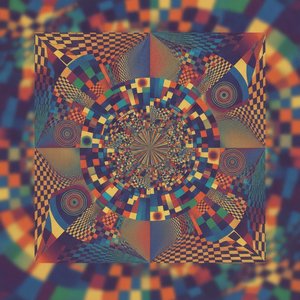
A Life Forged in Geometry: The World of Victor Vasarely
Victor Vasarely, известный также как Károly Vaszary и Győző Vásárhelyi, родился в 1906 году в Pécs, городе, тогда находившемся в составе Австро-Венгрии (ныне Хорватия). Его жизнь – это захватывающая история о том, как человек, начавший путь в медицине, стал пионером Оп-Арта и кинетического искусства. Ранние годы намекали на совершенно иной жизненный путь; изначально он изучал медицину в Университете имени Отто Эртовса в Будапеште. Однако очарование визуального выражения оказалось сильнее, и в 1927 году он бросил медицинские занятия, чтобы посвятить себя живописи, поступив в Академию Подполини-Волькманн. Это решение не просто изменило его профессию, но и стало началом длительного исследования фундаментальных принципов, определяющих восприятие и форму. Переломным моментом стала его зачисление в мастерскую Сандора Бортныка – Műhely, школу, глубоко вдохновленную Баухаузом. Здесь Вазарели усвоил принципы функционального дизайна и геометрической абстракции – семена, которые расцвели в его фирменный стиль. Эти ранние годы были не только о приобретении техники; это было разрушение традиционных художественных конвенций и принятие нового визуального языка, основанного на логике и точности.
Early Abstraction and the Dawn of Op Art
Конец 1920-х и начало 1930-х годов стали периодом постепенного отхода Вазарели от репрезентативной живописи, когда он углублялся в сферу геометрической абстракции. Работы, такие как «Голубая Исследование» и «Зеленое Исследование», созданные в 1929 году, иллюстрируют этот переход – сознательное избавление от повествовательного содержания в пользу чистой формы и цветовых отношений. Влияние таких мастеров, как Пит Мондриан и Казимир Малевич, безусловно было, но Вазарели не хотел просто копировать их стили. Он стремился преодолеть статичные композиции своих предшественников, стремясь к динамизму, который активно вовлекал бы восприятие зрителя. Это стремление привело его в Париж в 1930 году, где он укрепил свои позиции как графического дизайнера и художника-рекламщика, оттачивая навыки, одновременно продолжая развивать свое уникальное художественное видение. Именно в этот период он начал экспериментировать с техниками, которые впоследствии стали фирменными чертами Оп-Арта – манипулируя формами и цветами для создания иллюзий движения и глубины, где их физически не было. Семена были посеяны для революции в визуальном опыте.
The Systematic Illusion: Defining a Movement
К 1960-м годам Виктор Вазарели полностью утвердился как ведущая фигура в развивающемся Оп-Арт движении. В отличие от многих художников, полагавшихся на интуицию и спонтанное выражение, Вазарели подходил к своей работе с отчетливо систематическим методом. Он использовал сетки и математические принципы для создания узоров, которые создавали мощные оптические иллюзии – визуальные вибрации, вращательные эффекты и ощущения глубины там, где их физически не было. Это не было обманом; это было раскрытием присущего динамизма восприятия само по себе. Он верил в воспроизводимость и массовый охват, стремясь демократизировать искусство, делая его доступным за пределами галерей и музеев. Его работы бросали вызов зрителям, заставляя их активно участвовать в создании смысла. Этот сознательный вовлечение восприятия отличал Оп-Арт и укрепило его место на передовой. Он не просто рисовал картины; он строил опыты.
Historical Significance and Lasting Legacy
Вклад Вазарели в историю искусства многогранен. Он вышел за рамки традиционных техник живописи, создав работы, которые активно вовлекают зрителя в восприятие. Его систематический подход бросил вызов традиционным представлениям об художественном творчестве и проложил путь для компьютерно-генерируемого искусства и цифрового дизайна. Принимая воспроизводимость и коммерческие приложения, Вазарели размыл границы между искусством и массовой культурой, оставив неизгладимый след как в одном, так и в другом. *Он не просто создавал эстетически привлекательные объекты; он проводил визуальные эксперименты, которые раскрывали фундаментальные истины о том, как мы видим мир.* Его работа продолжает резонировать сегодня, напоминая нам о силе абстракции, красоте геометрии и бесконечных возможностях человеческого творчества. Вазарели остается ключевой фигурой в истории современного искусства, настоящим новатором, который осмелился бросить вызов нашему пониманию того, каким может быть искусство.
Key Achievements and Innovations
Вазарели оставил после себя богатое наследие, включающее:
- Разработку принципов геометрической абстракции и их применение в создании оптических иллюзий.
- Влияние на развитие Оп-Арта и кинетического искусства.
- Эксперименты с воспроизводимыми формами искусства, включая сурилафы (serigraphs), которые были отправлены на космический корабль "Союз 7" в 1982 году.
- Сотрудничество с Rosenthal porcelain, результатом которого стала знаменитая серия посуды "Suomi".
- Создание Фонда Вазарели в Экс-ан-Провенсе для сохранения и продвижения его обширного творческого наследия.



 Примерить в интерьере
 Заказать репродукцию ручной работы
 Отправить
 Поделиться
 Подробнее
 Руководство

 Скачать
 Похожие объекты
 Рентгенография
 Слайд-шоу
 Статистика


 Развернуть текст






































 Вариант со стеклом доступен только для размеров менее 110 см