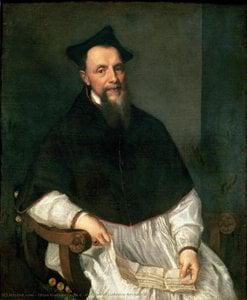
Биография художника
Эхо Ренессанса в Новом Свете
Тициан Рамсэй Пил II занимает удивительное, часто упускаемое из виду место в ландшафте американского искусства XIX века. Родившийся в Филадельфии в 1799 году, он был погружен в художественную среду как младший сын Чарльза Уилсона Пила, ключевой фигуры раннего американского портретного искусства и основателя первого музея страны. Несмотря на огромное наследие отца, Тициан проложил свой собственный путь, глубоко укоренившийся в эстетических идеалах Высокого Возрождения, особенно тех, что исходили из Венеции. Он не просто копировал стили; он направлял глубокую художественную чувствительность, наделяя свои полотна скрупулезной детализацией и яркой палитрой цветов, которые отличали его от многих современников. Его жизнь разворачивалась на фоне зарождающейся американской идентичности, но его сердце оставалось привязанным к классическим мастерам, создавая захватывающее напряжение между уважением к Старому Свету и выражением Нового Света.
От Естествоиспытателя к Художнику
Ранние годы Пила были отмечены двойной страстью к искусству и естественной истории – сочетанием, взращенным многогранными устремлениями его отца. Он сопровождал экспедиции, в частности путешествие Стивена Харримана Лонга в Скалистые горы в 1819–20 годах, документируя флору и фауну с все более тонким художественным взглядом. Этот период был не просто о записи наблюдений; речь шла об *понимании* формы, света и текстуры – навыках, которые окажутся бесценными, когда он полностью обратится к живописи. Его работа как натуралиста обогатила его искусство, придав научную точность его изображениям природы, но также наполнив их эмоциональным резонансом, выходящим за рамки простого документирования. Он не просто показывал нам, как выглядят вещи; он раскрывал их неотъемлемую красоту и духовное значение. Эта преданность обеим дисциплинам очевидна в таких произведениях, как «Деньги дань», драматическое изображение, демонстрирующее мастерское использование света и тени в духе Рубенса, и "Нимфа и пастух", сочетающие природу, мифологию и чувственную красоту.
Венецианские Влияния и Священные Видения
Влияние венецианского колоризма – акцента на богатых, ярких цветах и атмосферных эффектах, пропагандируемых такими художниками, как Тициан (в честь которого он получил свое имя) – неоспоримо в творчестве Пила. Он не просто копировал этих мастеров; он усваивал их принципы и адаптировал их к своему художественному видению. Это особенно заметно в его религиозных работах, таких как «Алтарь со святыми» и "Поклонение пастухов". Эти картины – это не просто изображения библейских сцен; это захватывающие переживания, вовлекающие зрителя в мир духовного созерцания благодаря тщательно продуманным композициям и мастерскому использованию цвета для вызова эмоций. Скрупулезное внимание к деталям в этих работах говорит не только о его техническом мастерстве, но и о глубоком уважении к предмету. «Красавица», поразительный портрет, еще больше демонстрирует его способность запечатлеть человеческую форму и характер с элегантностью и изяществом.
Переоткрытие и Историческое Значение
На протяжении большей части XX века Тициан Рамсэй Пил II оставался в значительной степени скрытым от исторических повествований об искусстве. Его работа не соответствовала преобладающим тенденциям, а его приверженность классическому стилю казалась анахронизмом в быстро меняющемся художественном ландшафте. Однако в последние годы наблюдается растущая переоценка его вклада. Ученые и коллекционеры признают уникальное сочетание американской чувствительности и европейских традиций, которое характеризует его картины. Переоткрытие его работ – это не просто заполнение пробелов в истории искусства; речь идет о более глубоком понимании сложных культурных сил, которые сформировали Америку XIX века. Пил представляет собой мост между мирами, свидетельство непреходящей силы классических идеалов и напоминание о том, что художественные инновации часто возникают из неожиданных сочетаний влияний. Его картины, теперь представленные в таких коллекциях, как WahooArt, галерея Уффици и Палаццо Питти, предлагают увлекательный взгляд на забытый уголок американской истории искусства – уголок, освещенный сиянием Ренессанса. Он был не просто художником; он был визионером, чье творчество отражало глубокую связь между искусством, наукой и духовностью.



 Примерить в интерьере
 Заказать репродукцию ручной работы
 Отправить
 Поделиться
 Подробнее
 Руководство

 Скачать
 Похожие объекты
 Рентгенография
 Слайд-шоу
 Статистика


 Развернуть текст






































 Вариант со стеклом доступен только для размеров менее 110 см