Примерить в интерьере Примерить в AR Заказать репродукцию ручной работы Перейти к цифровым изображениям Отправить
Подробнее Руководство Добавить в избранное Скачать Похожие объекты Рентгенография Слайд-шоу Статистика

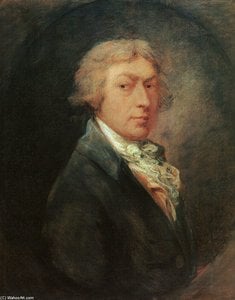
Self Portrait

A striking 1787 oil on canvas self-portrait by Thomas Gainsborough captures the artist's mature likeness with a dignified gaze and classic attire, showcasing his mastery of portraiture during the Georgian era – discover this timeless piece.

Томас Гейнсборо (1727-1788): исследуйте элегантные портреты и пейзажи британского мастера, основателя Королевской академии и вдохновителя Констебля.

Жикле / Арт-принты

Печать (жикле) или холст музейного качества с быстрыми сроками изготовления и широким выбором вариантов отделки. ( Заказать репродукцию ручной работы Перейти к цифровым изображениям)

Corner sample of the P118B picture frame: формованный полистирол, 5 cm wide and 3 cm thick
P118B $10
Corner sample of the P118H picture frame: формованный полистирол, 5 cm wide and 3 cm thick
P118H $10
Corner sample of the P118W picture frame: формованный полистирол, 5 cm wide and 3 cm thick
P118W $10
Corner sample of the P438Z picture frame: формованный полистирол, 5.5 cm wide and 3.5 cm thick
P438Z $10
Corner sample of the P508JH picture frame: формованный полистирол, 7 cm wide and 3.5 cm thick
P508JH $12
Corner sample of the P508YH picture frame: формованный полистирол, 7 cm wide and 3.5 cm thick
P508YH $12
Corner sample of the P805H picture frame: формованный полистирол, 5 cm wide and 3.5 cm thick
P805H $10
Corner sample of the P805Z picture frame: формованный полистирол, 5 cm wide and 3.5 cm thick
P805Z $10
Corner sample of the P919BZ picture frame: формованный полистирол, 7 cm wide and 3.5 cm thick
P919BZ $10
Corner sample of the P919G picture frame: формованный полистирол, 7 cm wide and 3.5 cm thick
P919G $10
Corner sample of the P919XJ picture frame: формованный полистирол, 7 cm wide and 3.5 cm thick
P919XJ $10
Corner sample of the P959ZH picture frame: формованный полистирол, 5 cm wide and 3 cm thick
P959ZH $10
Corner sample of the P968JZ picture frame: формованный полистирол, 6 cm wide and 4 cm thick
P968JZ $12
Corner sample of the W106C picture frame: массив дерева, 5 cm wide and 3 cm thick
W106C $8
Corner sample of the W218G picture frame: массив дерева, 5 cm wide and 3 cm thick
W218G $10
Corner sample of the W218JH picture frame: массив дерева, 5 cm wide and 3 cm thick
W218JH $8
Corner sample of the W218Y picture frame: массив дерева, 5 cm wide and 3 cm thick
W218Y $10
Corner sample of the W307PJ picture frame: массив дерева, 6 cm wide and 3 cm thick
W307PJ $10
Corner sample of the W316G picture frame: массив дерева, 6 cm wide and 3 cm thick
W316G $10
Corner sample of the W316PJ picture frame: массив дерева, 6 cm wide and 3 cm thick
W316PJ $8
Corner sample of the W316Y picture frame: массив дерева, 6 cm wide and 3 cm thick
W316Y $10
Corner sample of the W398PJ picture frame: массив дерева, 5 cm wide and 3 cm thick
W398PJ $8
Corner sample of the W4111J picture frame: массив дерева, 6.5 cm wide and 3.5 cm thick
W4111J $10
Corner sample of the W500HY picture frame: массив дерева, 7 cm wide and 5 cm thick
W500HY $15
Corner sample of the W500JH picture frame: массив дерева, 7 cm wide and 5 cm thick
W500JH $15
Corner sample of the W692G picture frame: массив дерева, 8 cm wide and 4 cm thick
W692G $12
Corner sample of the W849H picture frame: массив дерева, 5 cm wide and 3 cm thick
W849H $8
Corner sample of the W940BG picture frame: массив дерева, 7.5 cm wide and 4.5 cm thick
W940BG $15
Corner sample of the W953PJ picture frame: массив дерева, 6 cm wide and 3.5 cm thick
W953PJ $8

Стандартный размер
индивидуальный заказ
CM
INCH

Выберите один из наших стандартных размеров, соответствующих оригинальным пропорциям произведения искусства.

ширина
высота

Введите необходимую ширину и высоту, чтобы репродукция подошла к вашей раме или стене. При печати изображение можно только уменьшить, но нельзя увеличить больше оригинала, поэтому при выборе другого формата часть изображения может быть обрезана. Перед печатью мы отправим вам цифровой макет на утверждение. Изображение на этой странице не отображает реальную обрезку — ее можно увидеть только на макете.

Доставка по всему миру () за 2 недели вместо стандартных 4–5 недель. (27 Октябрь)

Бесплатная экспресс-доставка по всему миру
Высококачественный льняной холст
Полное страхование при транспортировке
Гарантия возврата таможенных пошлин
Гарантия точного цветового соответствия
100-дневный период возврата (только при обнаружении дефектов)
Гарантия возврата 100% средств
Скидка при заказе нескольких работ

Итоговая стоимость

$ 68

Self Portrait

Жикле / Арт-принты

Размер репродукции

-

Итоговая стоимость

$ 68

Краткая справка

  • Subject or theme: Self-portraiture
  • Artistic style: Rococo, Portraiture
  • Dimensions: 77 x 65 cm
  • Notable elements: White hair, suit, tie
  • Location: Royal Academy, London

A Portrait of Reflection: Thomas Gainsborough’s Self-Portrait

Thomas Gainsborough's 1787 self-portrait offers more than just a likeness; it is a poignant meditation on age, experience, and the enduring power of artistic dedication. Painted during a pivotal period in his career – a time when he was increasingly sought after for portrait commissions – this work reveals a man wrestling with both the successes and the inevitable passage of time. The image, rendered in Gainsborough’s signature oil on canvas technique, immediately draws the viewer into a direct confrontation, mirroring the subject's unwavering gaze.

  • Subject & Composition: The central figure, a man estimated to be in his late 60s or early 70s, dominates the frame with an almost unsettling directness. His posture is upright, conveying a sense of dignity and self-assuredness despite the evident signs of aging – the white hair, the neatly trimmed mustache and sideburns. The composition itself is deceptively simple, relying on the power of observation to create a deeply affecting portrait.
  • Technique & Style: Gainsborough’s mastery of light and shadow is immediately apparent. He employs a loose, expressive brushstroke characteristic of his later work, creating a textured surface that adds depth and realism to the figure. The blue jacket, white shirt, and dark tie – fashionable attire for the period – are rendered with meticulous detail, showcasing Gainsborough's skill in capturing textures and fabrics.

Historical Context: A Master at Work

Created in 1787, this self-portrait provides a valuable window into the life of one of Britain’s most important artists during the Georgian era. Gainsborough was at the height of his career, having already established himself as a leading portrait painter and landscape artist. The Royal Academy of Arts exhibition where this work was initially displayed served as a crucial platform for showcasing artistic talent and attracting wealthy patrons. The painting reflects the societal emphasis on status and self-representation that characterized the period – a desire to immortalize one's identity through art.

  • Georgian Portraiture: Gainsborough’s portraits were highly sought after by the aristocracy and gentry, who commissioned him to capture their likenesses for posterity. His style evolved over time, moving from the more formal, classical influences of his early work towards a looser, more naturalistic approach that emphasized character and personality.
  • The Royal Academy: The Royal Academy, founded in 1789, played a significant role in shaping British art. Gainsborough’s self-portrait was one of the first works exhibited at the Academy's annual exhibition, marking a new era for artistic presentation and patronage.

Symbolism & Emotional Impact

Beyond its technical brilliance, this self-portrait is laden with symbolic meaning. The direct gaze of the subject invites introspection, prompting viewers to consider their own mortality and legacy. The white hair, often associated with wisdom and experience, suggests a lifetime dedicated to artistic pursuits. The painting’s emotional impact lies in its raw honesty – a glimpse into the soul of a man confronting his age and reflecting on his life's work. It is a powerful reminder of the human condition, inviting us to contemplate our own place within time.

  • Age & Reflection: The prominent display of aging in the portrait speaks to the themes of mortality and reflection that were prevalent during Gainsborough’s lifetime.
  • The Artist's Identity: By portraying himself, Gainsborough elevates his own status as an artist, asserting his importance within the artistic community.

A Timeless Masterpiece – A Hand-Painted Reproduction

WahooArt offers a meticulously crafted hand-painted reproduction of this iconic work by Thomas Gainsborough. Each reproduction is created by skilled artisans who painstakingly recreate Gainsborough’s technique and style, ensuring an unparalleled level of detail and authenticity. This isn't merely a print; it's a genuine artwork that will grace your walls with the timeless beauty and profound emotion of one of Britain’s greatest portrait painters. Perfect for collectors, interior designers seeking to infuse their spaces with artistic heritage, or anyone captivated by Gainsborough’s vision.

Вопросы и ответы

Можно ли использовать дополненную реальность, чтобы увидеть «Self Portrait», Гейнсборо в своей комнате?

Вы можете примерить работу «Self Portrait», Гейнсборо на свою стену с помощью страницы Предпросмотр в AR, используя технологию дополненной реальности на совместимом устройстве.

Насколько известна работа «Self Portrait» автора Гейнсборо?

«Self Portrait» классифицируется как Iconic.

Какая ориентация у «Self Portrait», Гейнсборо?

Формат произведения «Self Portrait» — Portrait. Это полезно при планировании места размещения репродукции.


Биография художника

A Suffolk Beginning: The Early Life and Artistic Awakening

The story of Thomas Gainsborough, one of Britain’s most celebrated artists, unfolds not within the confines of a grand academy or bustling metropolis, but in the tranquil market town of Sudbury, Suffolk. Born in 1727, the youngest son of John Gainsborough, a weaver and wool merchant, young Thomas displayed an innate artistic sensibility from a remarkably early age. While his siblings pursued more conventional paths, Thomas’s world rapidly became consumed by drawing and painting – miniature self-portraits and delicate landscapes blossoming from his hand even before he reached ten years old. This precocious talent wasn't merely a childhood pastime; it was the burgeoning of a vision that would reshape British art. His father, recognizing this unique gift, encouraged its development, setting young Thomas on a path diverging sharply from the family trade. The Suffolk countryside itself became his first studio, imbuing his later works with a deep and abiding love for the natural world – a characteristic that would distinguish him throughout his career. This early immersion in landscape wasn’t simply about replicating what he saw; it was about *feeling* the essence of the English countryside, an emotional resonance that would permeate his canvases for decades to come.

London and the Shaping of a Style: Influences and Early Commissions

In 1740, at the age of thirteen, Gainsborough journeyed to London, embarking on formal artistic training under Hubert Gravelot, a French engraver renowned for his elegant rococo style. This exposure proved pivotal, introducing him to refined techniques and fashionable aesthetics. However, it was his association with William Hogarth and the St Martin’s Lane Academy that truly began to mold his artistic identity. Initially influenced by Hogarth's narrative approach – his detailed depictions of London life and social commentary – Gainsborough soon charted his own course, developing a distinctive style characterized by its lightness of touch, fluid brushwork, and subtle color palettes. He absorbed lessons from various masters, including the Dutch landscape painters whose atmospheric effects he admired, yet resisted strict adherence to any single school, forging a path that blended observation with imagination. Gainsborough’s early works often featured portraits of young men in fashionable attire, reflecting the trends of the time, but he quickly moved beyond mere likenesses, striving to capture the personality and character of his subjects. Returning to Sudbury after marrying Margaret Burr in 1746, Gainsborough established himself as a portraitist for the local gentry – landowners, merchants, and clergymen who commissioned him to depict themselves and their families. This period honed his skills in capturing likenesses and character, but it was during his subsequent move to Ipswich, and later Bath, that he began attracting a more sophisticated clientele – individuals who appreciated not just accurate representation, but also artistic flair and emotional depth.

Bath and Beyond: Portraiture, Landscape, and Royal Patronage

The years spent in Bath (1759-1774) marked a significant turning point in Gainsborough’s career. The city was a hub of fashionable society, providing him with ample opportunities to paint portraits of the wealthy and influential. He quickly gained renown for his ability to capture not only physical resemblance but also the personality and social standing of his sitters. His portraits weren't merely depictions; they were statements about identity and status – often imbued with a sense of relaxed elegance and natural charm. Gainsborough’s style in Bath evolved, influenced by the works of Anthony van Dyck, whose portraits he had studied extensively. He skillfully combined elements of rococo grace with his own distinctive brushwork, creating images that were both refined and engaging. However, even amidst the demands of portraiture, Gainsborough never abandoned his passion for landscape painting. He frequently integrated landscapes into his portraits – depicting his subjects in idyllic settings or using atmospheric backgrounds to enhance the mood of the composition. This innovative approach – a hallmark of his style – set him apart from many of his contemporaries and demonstrated his deep connection to the English countryside. The culmination of his success came with his move to London in 1774, where he established a studio on Pall Mall and became a founding member of the Royal Academy. He also secured royal patronage, becoming a favorite painter of King George III and Queen Charlotte – a testament to his artistic skill and social standing.

A Legacy of Innovation: Enduring Appeal and Influence

Thomas Gainsborough died in 1788, leaving behind a body of work that continues to captivate audiences today. His influence on subsequent generations of British artists is undeniable. He liberated portraiture from rigid formality, infusing it with spontaneity and emotional resonance. His loose brushwork and atmospheric effects paved the way for the Impressionists, while his lyrical landscapes inspired artists like John Constable, who deeply admired Gainsborough’s ability to capture the spirit of the English countryside. Gainsborough's legacy extends beyond technique; it lies in his profound understanding of human character and his unwavering commitment to artistic expression. He wasn’t simply a painter of portraits or landscapes; he was a storyteller, a poet of light and color, and a visionary who transformed British art. Mrs. Thomas Gainsborough, painted in 1785, exemplifies this period – an elegant portrait showcasing rococo style and muted tones. His paintings are a testament to the power of observation, imagination, and the enduring allure of the English landscape.

Exploring Gainsborough's World Today

Fortunately, the opportunity to experience Gainsborough’s genius firsthand remains readily available. Gainsborough’s House, in his birthplace of Sudbury, stands as a testament to his life and work, offering visitors an intimate glimpse into his early influences and artistic development. Christchurch Mansion in Ipswich houses a significant collection of Gainsborough paintings alongside works by Constable and other masters. Numerous museums across the United Kingdom and internationally display his masterpieces, including the National Gallery in London and the Metropolitan Museum of Art in New York. His work continues to be studied, analyzed, and celebrated, ensuring that his artistic vision will endure for generations to come.

Гейнсборо

Гейнсборо

1727 - 1788 , Великобритания

Краткая справка

  • Artistic Movement Or Style: Рококо, Портрет
  • Artists Or Movements Influenced By This Artist:
    • Констабль
    • Импрессионисты
  • Artists Who Influenced This Artist:
    • Грэвелот, Жюль
    • Хогарть
    • Хайман
  • Date Of Birth: 1727
  • Date Of Death: 1788
  • Full Name: Thomas Gainsborough
  • Nationality: Британский
  • Notable Artworks:
    • Миссис Томас Гейнсборо
    • Мистер и миссис Эндрюс
  • Place Of Birth (City And Country): Судеби, Великобритания
Откройте для себя произведения искусства, распределенные по темам, стилям и характеристикам.