Произведение искусства, представленное на этой странице, защищено законом об авторском праве, что исключает возможность законного создания или продажи его точной репродукции. Данная защита обеспечивается международными соглашениями, такими как Бернская конвенция и национальным законодательством, включая положения, изложенные в Закон США об авторском праве — Раздел 17.
Этот метод полностью соответствует нормам авторского права, так как он не предполагает копирования или дублирования защищенного произведения. Напротив, это творческая реинтерпретация — создание новой картины, которая вдохновлена оригиналом, но не является его точной копией.
Печать (жикле) или холст музейного качества с быстрыми сроками изготовления и широким выбором вариантов отделки. ( Купить картину ручной работы Перейти к цифровым изображениям)





























Выберите один из наших стандартных размеров, соответствующих оригинальным пропорциям произведения искусства.

Введите необходимую ширину и высоту, чтобы репродукция подошла к вашей раме или стене. При печати изображение можно только уменьшить, но нельзя увеличить больше оригинала, поэтому при выборе другого формата часть изображения может быть обрезана. Перед печатью мы отправим вам цифровой макет на утверждение. Изображение на этой странице не отображает реальную обрезку — ее можно увидеть только на макете.
Доставка по всему миру () за 2 недели вместо стандартных 4–5 недель. (20 Ноябрь)
Interior
Размер репродукции
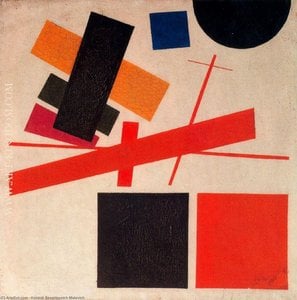
Stuart Davis's “Interior” is a captivating example of American Modernism, pulsating with energy and reflecting the artist’s unique response to the burgeoning urban landscape and the rhythms of jazz. Created sometime during his prolific career (1892-1964), this work embodies Davis’s commitment to developing a distinctly American visual language, moving beyond European influences towards a bold, independent style.
Davis was deeply influenced by jazz music, which he saw as embodying the spirit of modern America – improvisational, energetic, and uniquely its own. While “Interior” isn’t a direct representation of musical notes, the dynamic interplay of shapes and colors evokes the same sense of rhythm and syncopation found in jazz compositions.
“Interior” is not a tranquil scene; it’s charged with energy and tension. The fragmented forms and bold colors create a sense of dynamism, while the lack of traditional perspective can be slightly unsettling. This emotional complexity reflects the anxieties and excitements of a rapidly changing world.
В работе «Interior», Стюарт Дэвис преобладает Amber to Saffron-й оттенок.
Работа в стиле Cubism «Interior» была создана художником, уроженцем США.
Стюарт Дэвис также известен под именами Дэвис, Стюарт.

Родившись 7 декабря 1892 года в Филадельфии, Стюарт Дэвис с самых малых лет был окружен атмосферой высокого искусства. Его семья была неразрывно связана с творчеством: его отец, Эдвард Уайатт Дэвис, занимал пост арт-редактора газеты Philadelphia Press, а мать, Хелен Стюарт Дэвис, была скульптором. Такая семейная среда, безусловно, взрастила в нем глубокую привязанность к визуальному искусству и заложила фундамент его будущего таланта.
Свою профессиональную подготовку Дэвис проходил в Школе искусств Роберта Хенри в Нью-Йорке в период с 1909 по 1912 год под чутким руководством Роберта Хенри. Именно в эти годы сформировался круг его единомышленников — прочные узы дружбы связали его с такими выдающимися живописцами, как Джон Слоан, Гленн Коулман и Генри Глинтенкамп.
Слава начала преследовать Дэвиса очень рано: он стал одним из самых молодых участников легендарной выставки Armory Show 1913 года, ставшей поворотным моментом в истории американского искусства. Представив пять акварельных работ, пропитанных духом Школы Ашкан, он сделал свой первый решительный шаг на пути к признанию, заявив о себе как о серьезном художнике.
В течение 1920-х годов Дэвис неуклонно шел к созданию своего уникального, зрелого почерка. Его полотна — абстрактные натюрморты и пейзажи — начали обретать характерный элемент протопоп-арта. Художник смело вплетал в свои композиции фрагменты современной повседневности: упаковки от сигарет и рекламные объявления свечей зажигания, превращая предметы массового потребления в объекты высокого искусства.
Его манера письма поражает своей дерзостью, яркостью и экспрессией. Творческое самовыражение Дэвиса было пронизано страстью к джазу — эта музыкальная импровизация нашла свое отражение в ритмике его работ 1940-х и 1950-х годов. Не менее важную роль в формировании его эстетического чутья сыграла и Школа Ашкан, приучившая его к вниманию к городской реальности.
Картина Odol (Модернизм), завершенная в 1928 году, служит эталонным примером неповторимого стиля Дэвиса. В этом полотне мастер виртуозно соединяет абстрактную геометрию с узнаваемыми образами массовой культуры.
К числу других значимых работ художника относятся Rocks, Gloucester (1915), The Mellow Pad и Tropes de Teens (1956).
Вклад Стюарта Дэвиса в американский модернизм неоспорим. Бросая вызов традиционным канонам и осваивая темы современности, он проложил путь для многих последующих поколений художников.
Будучи первопроходцем в области абстракции, он помог сформировать самобытный американский голос в глобальном контексте истории современного искусства. Его творчество продолжает вдохновлять и сегодня, подтверждая его статус великого мастера XX века.

1892 - 1964 , США

Discover the art of Geek-Chic interiors with our expert guide to curating sophisticated pop culture art. Learn to elevate your luxury space by blending nostalgic icons with high-end design through professional curation and fine art mastery.
 Предпросмотр
 Поделиться
 Поделиться
 Детали произведения
 Руководство

 Скачать
 Похожие предметы
 Рентгенография
 Слайд-шоу
 Вопросы и ответы
 Статистика просмотров
 Читать далее









 Вариант со стеклом доступен только для размеров менее 110 см