A Life Forged in Baroque Splendor
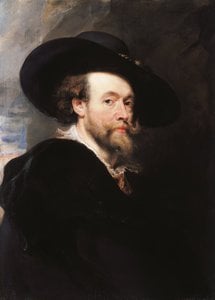
Sir Peter Paul Rubens, имя, которое звучит с самой сущностью барочной динамики, было гораздо больше, чем просто художником. Он был дипломатом, ученым и культурным архитектором, который фундаментально изменил художественный ландшафт 17-го века Европы. Родился в Сигене, Германия, в 1577 году, его ранние годы были отмечены перемещениями – формирующим опытом, который тонко пронизал его последующие работы подтекстом драмы и эмоциональной глубины. Его отец, Ян Рубенс, юрист, бежавший от религиозных преследований за своими кальвинистскими убеждениями, перевез семью из родного Антивера, тогдашнего города под испанским правлением. Этот первоначальный изгнание внушило молодому Петру Павлу чувство стойкости и адаптивности, качества, которые пригодились ему во время его многогранной карьеры. После смерти отца в 1587 году семья вернулась в Антивер, где он получил гуманическое образование и начал свое художественное обучение примерно в 1590 году, пройдя ученичество у Тобиаса Верхаэхта и Адама ван Ноорта, оттачивая основные навыки рисования и техник живописи. Однако его время с Отто ван Вином оказалось решающим, представив ему богатое наследие искусства Ренессанса – мир, который он вскоре принял во всю полноту.
The Italian Awakening and Artistic Synthesis
В 1600 году Рубенс отправился на преобразующее путешествие в Италию – паломничество, которое навсегда сформировало его художеческое видение. В течение восьми лет он погрузился в шедевры Микеланджело, Рафаэля и Тициана, усваивая их мастерство формы, цвета и композиции. Влияние этих ренессансных гигантов отчетливо видно в его ранних итальянских работах, характеризующихся классическими темами и идеализированными фигурами. Однако Рубенс не просто копировал; он синтезировал эти влияния со своим собственным талантом, развивая уникальный стиль, отмеченный яркими цветами, динамичными композициями и чувственным изображением человеческого тела. Он тщательно изучал анатомию, что привело к тому, что фигуры в его работах были полными жизни и движения. Он не только копировал великих мастеров, но и переосмысливал их техники, адаптируя их к своему собственному художественному видению. Он был очарован красотой и гармонией классической скульптуры и архитектуры, что отразилось в его стремлении к идеализированным формам и пропорциям. В то же время, Рубенс не боялся нарушать традиционные каноны, добавляя в свои работы элементы драматизма и эмоциональной экспрессии, характерные для барокко.
A Master of Many Forms: Painting Beyond Boundaries
Художественныйoutput Рубена был поразительно разнообразен и простлючен. Он не ограничивал себя одним жанром; вместо этого он преуспел в исторических картинах, мифологических сценах, портретах, пейзажах и религиозных работах – свидетельством своей универсальности и безграничного творчества. Его масштабные полотна, часто предназначенные для церквей, дворцов и общественных пространств, были захватывающими демонстрациями технического мастерства и драматической истории.
Снятие с креста (ок. 1616-1617 гг.) является ярким примером его умелого использования света и тени для создания сцены глубокой эмоциональной интенсивности, вовлекая зрителя в самое сердце повествования. *Подъем Креста* (1610-1611 гг.), с его кружащимися фигурами и динамичной композицией, демонстрирует его способность передавать движение и энергию – характерную черту его барочного стиля. Даже в кажущихся статичными сюжетах, таких как *Суд над Парисом* (ок. 1636 г.), Рубенс наполнял их жизнью и жизненной силой благодаря своему яркому цветовому диапазону и чувственному изображению человеческого тела. Его техника была столь же замечательной – мастерское владение маслом, использующее импасто для создания текстуры и глубины, а также деликатные техники глазирования для достижения лучезарных эффектов. Он часто использовал аллегорические фигуры и символические образы, накладывая повествования с сложными значениями, которые приглашали к размышлениям и интерпретациям.
Diplomacy, Legacy, and Enduring Influence
Влияние Рубена не ограничивалось сферой искусства. Его дипломатические навыки были высоко оценены в Нидерландах, и он выполнял многочисленные миссии во Францию, Англию и Испанию, заключая договоры и содействуя политическим альянсам – уникальную двойную роль, которая предоставила ему нюансированный взгляд на европейские дела и еще больше укрепила его репутацию человека интеллекта и влияния. В 1630 году он женился на Изабелле Формант, которая стала как его музой, так и частым объектом в его картинах – ее юная красота украшала многие из его поздних работ, воплощая чувственность и жизненную силу, характерные для его стиля. Он продолжал рисовать продуктивно до своей смерти в Антивере в 1640 году, оставив после себя огромное наследие, которое продолжает восхищать и вдохновлять. Его влияние на последующие поколения художников неоценимо; художники, такие как Антони ван Дейк, Якоб Йордаенс и Эжен Делакруа, черпали вдохновение в его динамичных композициях, ярких цветах и чувственных фигурах. Рубенс не просто определил барочный стиль – он возвысил живопись до нового уровня престижа и влияния, укрепив Антивер как крупный центр художественной продукции в 17-м веке. Он остается, спустя столетия, величественной фигурой в истории искусства, свидетельством силы человеческого творчества и вечной привлекательности барокко.
Key Characteristics of Rubens’s Style
- Dynamic Composition: Rubens' paintings are known for their energetic and dramatic arrangements of figures.
- Vibrant Color Palette: He employed a rich, warm color scheme that brought his canvases to life.
- Sensuous Figures: His depictions of the human form were characterized by fullness, vitality, and often, overt sensuality.
- Masterful Use of Light and Shadow: Rubens skillfully manipulated light and shadow to create depth, drama, and emotional impact.
- Allegorical Symbolism: His works frequently incorporated allegorical figures and symbolic imagery, adding layers of meaning and complexity.



 Предпросмотр
 Перейти к печати
 Поделиться
 Поделиться
 Детали произведения
 Руководство

 Скачать
 Похожие работы
 Рентгенография
 Слайд-шоу
 Статистика

 Читать далее






































 Вариант со стеклом доступен только для размеров менее 110 см