Продавайте свое искусство
x
ПредпросмотрПредпросмотр Предпросмотр в ARПредпросмотр в AR Перейти к печати Перейти к печатиПерейти к заказу ручной росписи Перейти к заказу ручной росписи ПоделитьсяПоделиться
Детали произведенияДетали произведения Добавить в избранное Добавить в избранное СкачатьСкачать Похожие работыПохожие работы РентгенографияРентгенография Слайд-шоуСлайд-шоу

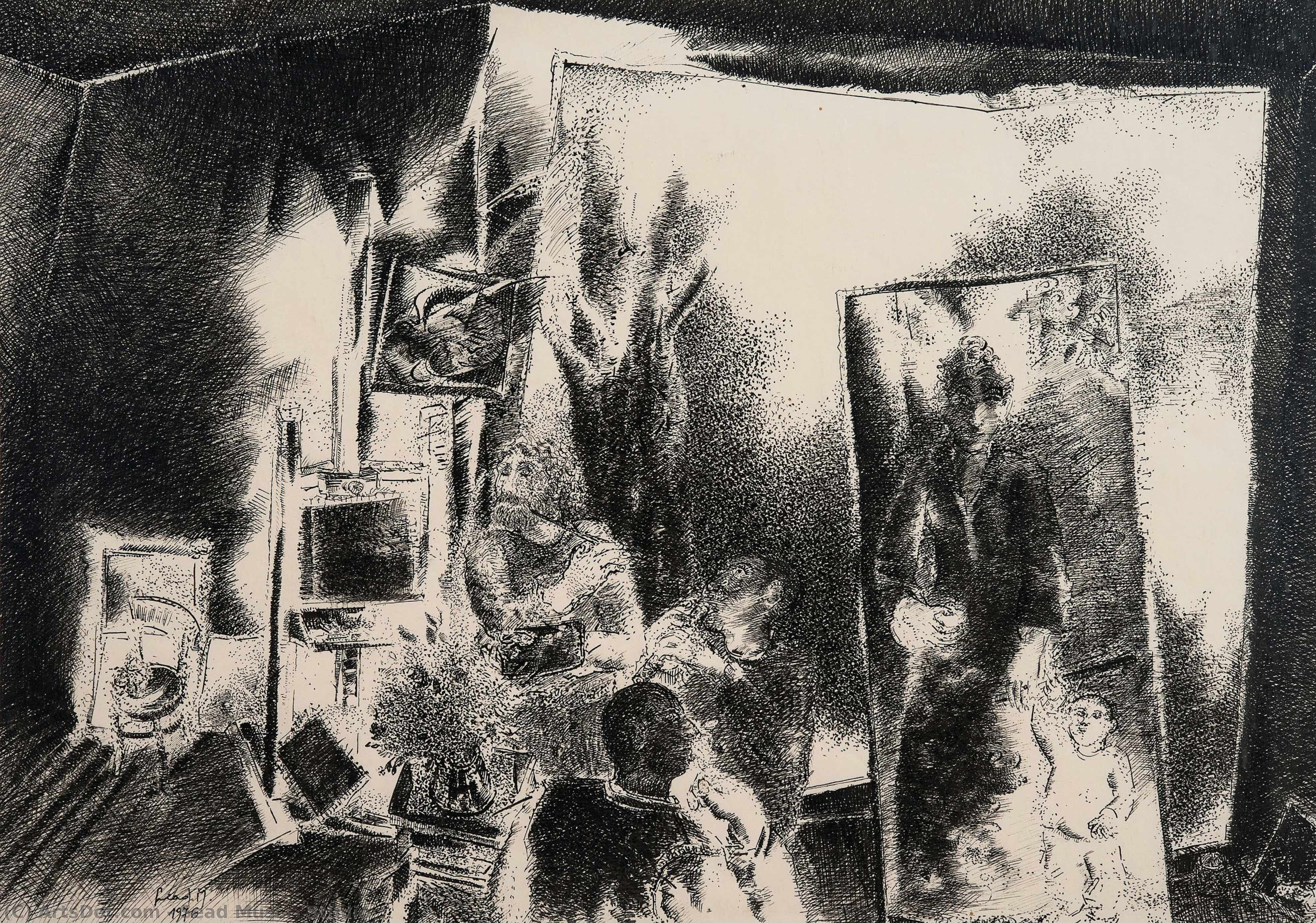
Studio

Explore the evocative figurative works of Sead Music, a Bosnian artist renowned for his captivating paintings like "The Grape Pickers." Discover his legacy & artistic style.

Приобретите цифровое изображение высокого разрешения в улучшенном качестве, которое значительно превосходит онлайн-превью.

Каждый файл тщательно подготавливается нашими специалистами с использованием передовых инструментов и экспертной ручной ретуши. Мы гарантируем исключительную четкость, точную цветопередачу и детальную проработку каждого изображения.

Финальный файл доставляется по электронной почте в течение 72 часов и оптимизирован для немедленного использования в профессиональной среде, при верстке и печати. Это тот же уровень качества, которому доверяют ведущие дизайнерские студии, издательства и галереи.

Цифровое изображение

Скачайте файл высокого разрешения для личного использования, печати и творческих проектов. (Перейти к печати Перейти к печатиПерейти к заказу ручной росписи Перейти к заказу ручной росписи)

Итоговая стоимость

$9.99

Включено в каждый заказ цифровых изображений

Гарантия экспертной цифровой доставки

Выбирая WahooArt.com, вы получаете не просто изображение — вы приобретаете профессионально обработанное цифровое произведение искусства, созданное с безупречной точностью и под защитой гарантии качества. Вот всё, что автоматически входит в ваш заказ:

shipping_icon
Мгновенная доставка по e-mail

Ваш цифровой файл в высоком разрешении будет отправлен вам по электронной почте в течение 72 часов после оформления заказа — и сразу станет доступен для использования.

canvas_icon
Цифровой файл с ИИ-улучшением

Ваше произведение искусства проходит профессиональную оптимизацию с использованием передовых инструментов ИИ и ручной обработки, что гарантирует максимальную детализацию, четкость и точность цветопередачи.

insurance_icon
Бессрочная бесплатная повторная доставка

Случайно удалили или потеряли файл? Не беспокойтесь — мы отправим его вам повторно в любое время и совершенно бесплатно.

tax_icon
Без импортных пошлин — навсегда

Наслаждайтесь вашим произведением искусства мгновенно без таможенных пошлин, сборов или затрат на доставку — цифровые загрузки всегда не облагаются налогом.

color_icon
Гарантия точности цветопередачи

Мы гарантируем, что ваше цифровое изображение максимально точно передает оригинальные цвета благодаря использованию профессиональных инструментов и систем управления цветом.

return_icon
Гарантия удовлетворения в течение 60 дней

Если вы останетесь не удовлетворены покупкой цифрового изображения, мы внесем в него правки или вернем 100% стоимости в течение 60 дней — без лишних вопросов.

guarantee_icon
100% Гарантия возврата средств

Не удовлетворены покупкой? Мы гарантируем полный возврат средств в течение 60 дней после получения вашего цифрового файла — без лишних вопросов.

discount_icon
Скидки на оптовые заказы

Купите 3 изображения, сэкономьте 10% — Купите 5, сэкономьте 15% — Купите 10+, сэкономьте 20%. Отличное решение для творческих проектов, галерей и агентств.


Биография художника

David Hammons: A Sculptor of Urban Echoes

David Hammons, born in Springfield, Illinois on July 24, 1943, is an American artist whose work has profoundly shaped the landscape of contemporary art since the late 1960s. His career, marked by a deliberate resistance to conventional artistic practices and a deep engagement with social commentary, centers around the manipulation of everyday objects—discarded materials, hair clippings, bottle caps—to create sculptures, performances, prints, and installations that confront issues of race, identity, and urban experience. Hammons’s approach is characterized by an audacious blend of humor, vulnerability, and critical observation, forging a unique artistic voice deeply rooted in the realities of American life.

Early Influences and Los Angeles Rebellion

Hammons's early artistic development was profoundly shaped by his experiences growing up during the Great Depression and the subsequent financial hardships faced by his family. This backdrop instilled within him a keen awareness of scarcity, resilience, and the often-invisible struggles of marginalized communities. He moved to Los Angeles in 1963, seeking opportunities at Chouinard Art Institute (now CalArts), where he honed his skills under the guidance of Charles White, a pivotal figure in American social realism. It was during this period that Hammons became deeply involved with Studio Z, an artist collective alongside figures like Senga Nengudi, Ronn Davis, and others—a group collectively known as the Los Angeles Rebellion. This collaborative environment fostered experimentation with performance art, conceptual ideas, and a shared commitment to challenging established artistic norms. The influence of artists such as Bruce Nauman, John Baldessari, and Noah Purifoy, all prominent members of this collective, further broadened Hammons’s artistic vocabulary, encouraging him to explore themes of identity, perception, and the relationship between art and social reality.

The Language of Objects: Body Prints and Urban Detritus

Hammons's distinctive style emerged through a series of innovative techniques centered around the transformation of ordinary objects into potent symbols. His early work, particularly his “Body Prints,” involved transferring images of his own skin—rendered in stark detail with graphite and pigment—onto paper or canvas. These prints, often imbued with a sense of vulnerability and quiet contemplation, served as a visual meditation on the body’s relationship to space, identity, and the act of representation. Simultaneously, Hammons began collecting discarded materials from urban environments – hair clippings, bottle caps, chicken bones – transforming these seemingly insignificant objects into monumental sculptures that spoke volumes about the textures and rhythms of city life. Works like *Bliz-aard Ball Sale* (1983), where he sold snowballs on a New York City sidewalk, and *Higher Goals* (1983; 1986), towering basketball hoops adorned with bottle caps resembling cowrie shells, exemplify this approach—combining performance and sculpture to create powerful statements about aspiration, race, and the American dream.

Performance, Installation, and a Critical Eye

Throughout his career, Hammons has consistently blurred the boundaries between art forms, incorporating performance, installation, and found-object sculpture into his practice. His work frequently engages with issues of race, class, and social justice, often employing humor and irony to challenge viewers’ assumptions and provoke critical reflection. Installations like *How Ya Like Me Now?* (1988), a life-sized figure constructed from cardboard boxes and painted to resemble a black man in a suit, directly confront stereotypes and explore the complexities of identity within American society. Hammons's commitment to public space—placing his work in unexpected locations, often interacting with passersby—further amplifies its impact, transforming everyday environments into sites of artistic intervention and social dialogue. His reluctance to participate in traditional gallery exhibitions underscores a deliberate rejection of the art world’s established hierarchies and a desire to engage directly with the broader public.

Legacy and Significance

David Hammons's work continues to resonate deeply within contemporary art, recognized for its innovative use of materials, its incisive social commentary, and its refusal to conform to conventional artistic expectations. He is considered a key figure in American Conceptual Art, pushing the boundaries of what constitutes art while simultaneously addressing urgent social issues. His legacy lies not only in his distinctive visual language but also in his unwavering commitment to challenging viewers to confront uncomfortable truths about themselves and their society. Hammons’s influence can be seen in the work of numerous contemporary artists who continue to explore themes of identity, race, and urban experience through unconventional materials and approaches—a testament to the enduring power of his artistic vision.
sead musić

sead musić

1943 - , Bosnia and Herzegovina

Основные сведения

  • Artistic Movement Or Style: Conceptual art, found object sculpture
  • Artists Who Influenced This Artist: ['Charles White, Bruce Nauman, John Baldessari],\n "Artists or movements influenced by this artist": ["Studio Z"]\n}']
  • Date Of Birth: July 24, 1943
  • Full Name: David Hammons
  • Nationality: American
  • Notable Artworks:
    • Bliz-aard Ball Sale (1983)
    • How Ya Like Me Now? (1988)
    • Untitled
  • Place Of Birth: Springfield, Illinois, USA