


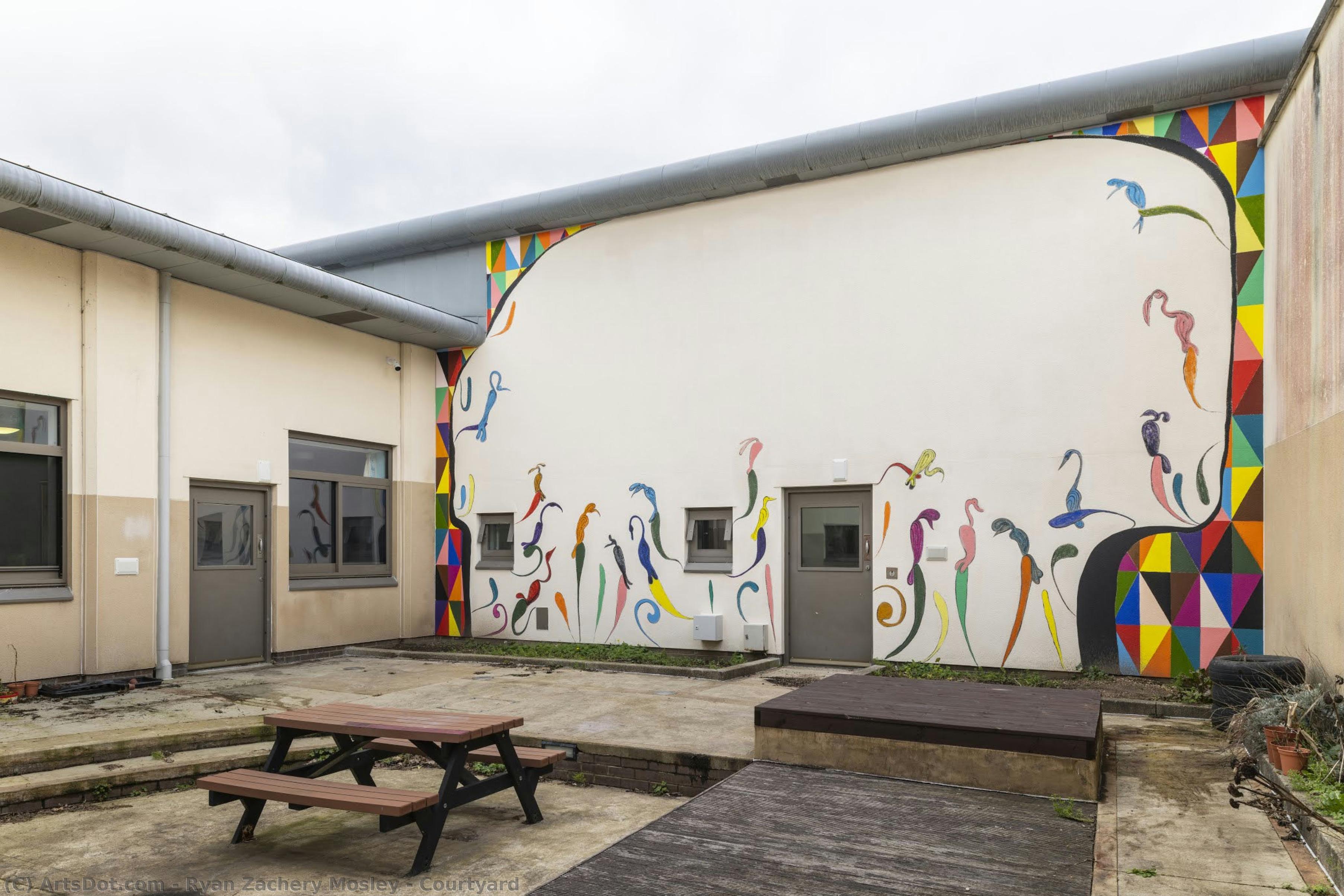
Приобретите цифровое изображение высокого разрешения в улучшенном качестве, которое значительно превосходит онлайн-превью.
Каждый файл тщательно подготавливается нашими специалистами с использованием передовых инструментов и экспертной ручной ретуши. Мы гарантируем исключительную четкость, точную цветопередачу и детальную проработку каждого изображения.
Финальный файл доставляется по электронной почте в течение 72 часов и оптимизирован для немедленного использования в профессиональной среде, при верстке и печати. Это тот же уровень качества, которому доверяют ведущие дизайнерские студии, издательства и галереи.
Скачайте файл высокого разрешения для личного использования, печати и творческих проектов. ( Купить принт Купить картину ручной работы)
Выбирая WahooArt.com, вы получаете не просто изображение — вы приобретаете профессионально обработанное цифровое произведение искусства, созданное с безупречной точностью и под защитой гарантии качества. Вот всё, что автоматически входит в ваш заказ:

Ваш цифровой файл в высоком разрешении будет отправлен вам по электронной почте в течение 72 часов после оформления заказа — и сразу станет доступен для использования.

Ваше произведение искусства проходит профессиональную оптимизацию с использованием передовых инструментов ИИ и ручной обработки, что гарантирует максимальную детализацию, четкость и точность цветопередачи.

Случайно удалили или потеряли файл? Не беспокойтесь — мы отправим его вам повторно в любое время и совершенно бесплатно.

Наслаждайтесь вашим произведением искусства мгновенно без таможенных пошлин, сборов или затрат на доставку — цифровые загрузки всегда не облагаются налогом.

Мы гарантируем, что ваше цифровое изображение максимально точно передает оригинальные цвета благодаря использованию профессиональных инструментов и систем управления цветом.

Если вы не будете удовлетворены своим цифровым изображением, мы внесем правки или вернем 100% стоимости в течение 100 дней — без лишних вопросов.

Не удовлетворены покупкой? Получите полный возврат средств в течение 100 дней после получения цифрового файла — без лишних вопросов.

Купите 3 изображения, сэкономьте 10% — Купите 5, сэкономьте 15% — Купите 10+, сэкономьте 20%. Отличное решение для творческих проектов, галерей и агентств.

Born in Brooklyn, New York City, on December 22, 1960, Jean-Michel Basquiat emerged from the vibrant, chaotic crucible of the Lower East Side during the late 1970s and early 1980s. His life was tragically cut short at the age of 27 in August 1988 due to a heroin overdose, but his impact on the art world—and beyond—remains profound. Basquiat’s work wasn't simply about creating beautiful images; it was a raw, urgent expression of identity, social commentary, and the complexities of being Black in America during a period of immense change and struggle.
Initially collaborating with Al Diaz under the moniker SAMO (Street Art Message Operations), Basquiat and Diaz began tagging subway cars throughout Manhattan. Their cryptic epigrams—short, provocative phrases layered with symbolism—became a defining feature of the burgeoning street art scene. These early works, often executed in black spray paint, explored themes of race, class, and urban decay, laying the groundwork for Basquiat’s later, more developed style. The partnership dissolved after just a few years, leaving Basquiat to forge his own distinct artistic voice.
By the early 1980s, Basquiat transitioned from street art to gallery exhibitions, marking a pivotal moment in his career and the broader art world. He aligned himself with the burgeoning neo-expressionism movement, a reaction against the perceived sterility of minimalism and conceptual art. Unlike the cool detachment of earlier movements, neo-expressionists embraced emotional intensity, subjective experience, and often incorporated elements of figuration alongside abstraction.
Basquiat’s paintings are instantly recognizable for their layered imagery, combining text, symbols, and fragmented figures. He drew heavily on his personal experiences—his Haitian heritage, growing up in a predominantly white environment, and the realities of poverty and racism—to create works that were both intensely personal and universally resonant. His subjects ranged from portraits of historical figures like Andy Warhol and Charlie Chaplin to depictions of skulls, crowns, and African motifs, all interwoven with snippets of poetry, lyrics, and historical references.
At the heart of Basquiat’s work lies a relentless interrogation of identity and power. He frequently explored themes of race, class, and cultural appropriation, challenging viewers to confront uncomfortable truths about American society. His use of crowns—a symbol of royalty and authority—was particularly significant, representing both his own aspirations for recognition and a critique of the established art world’s often exclusionary practices.
Works like *Irony of Negro Policeman* (1981) directly addressed issues of racial injustice and police brutality. Similarly, paintings referencing historical figures like Beethoven and Mozart served as commentary on the legacy of colonialism and cultural dominance. Basquiat's art wasn’t simply decorative; it was a powerful form of social critique, demanding engagement and prompting reflection.
Despite his tragically short life, Jean-Michel Basquiat achieved remarkable success during his lifetime. He became one of the youngest artists to exhibit at the Whitney Biennial in 1982 and was selected as a participant in Documenta 7 in Kassel, Germany, in 1982—an unprecedented honor for an emerging American artist. His work continues to command enormous prices at auction, reflecting its enduring value and cultural significance.
Basquiat’s influence extends far beyond the art world. He is considered a pioneer of street art, inspiring generations of artists to use public spaces as canvases for social commentary. His fearless exploration of identity, his willingness to confront difficult issues, and his innovative artistic style have cemented his place as one of the most important and influential artists of the 20th century—a voice that continues to resonate powerfully today.

1980 - , United Kingdom

 Предпросмотр
 Поделиться
 Поделиться
 Детали произведения

 Скачать
 Похожие работы
 Рентгенография
 Слайд-шоу

 Читать далее


