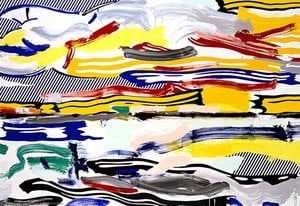
The Genesis of a Pop Visionary
Рой Фокс Лихтенштейн, родившийся в ярком мегаполисе Нью-Йорка 27 октября 1923 года, навсегда изменил облик искусства XX века. Он стал ключевой фигурой в движении поп-арт, не просто отражая свою эпоху, но и активно ее осмысляя, превращая обыденные образы в убедительные художественные высказывания. Его детство, проведенное в обеспеченной еврейской семье, сформировало как культурную осведомленность, так и раннее творческое влечение. Ранний доступ к музеям и концертам, а также глубокое восхищение джазом заложили основу для творческого духа, который бросил вызов традиционным представлениям о высокой искусстве. Изначально привлеченный реалистичным рисованием и живописью, Лихтенштейн начал свое формальное образование в Художественной лиге Нью-Йорка в 1939 году под руководством Реджинальда Марша, а затем продолжил обучение в Огайо Стейт Университете – его карьера была прервана военной службой. Эти опыты предоставили ему прочную техническую базу, которую впоследствии блестяще переосмыслил через призму массовой культуры и коммерческих эстетик. Семена его фирменного стиля не были посеяны в священных залах художественной традиции, а скорее в часто недооцениваемом мире повседневных образов, особенно комиксов и рекламы.
From Abstraction to Appropriation: A Pivotal Shift
Ранние работы Лихтенштейна явно демонстрировали вовлеченность в абстрактный экспрессионизм, отражая доминирующие эстетические тенденции послевоенного периода. Однако эта фаза оказалась переходной, ступенькой к его революционному стилю. Ключевым моментом стал период его работы в Рутгерсском университете, где он встретил Аллана Капрова, чье влияние зажгло вновь интерес Лихтенштейна к прото-поп образам. Эта встреча спровоцировала критический сдвиг в его художественном пути, побудив его ставить под сомнение устоявшиеся границы между «высоким» и «низким» искусством. Он начал искать не только в субъективных выражениях абстрактного экспрессионизма, но и в объективном языке массовой культуры – особенно комиксов и рекламы. 1961 год стал поворотным моментом с *Look Mickey*, работой, которая смело апроприировала персонажей из диснеевских комиксов, сигнализируя о начале его фирменного стиля. Это было не просто копирование комиксных полос; это был акт художественной переоценки, возводящий обыденные образы в статус искусства. Он не просто копировал комиксы; он тщательно воссоздавал их, используя техники, имитирующие механическую печать, намеренно размывая границы между оригинальным произведением искусства и массовым производством. Эта апроприация не была о безкритичном восхвалении потребительства, а скорее об исследовании его всепроникающего влияния на американское общество и вызове традиционных художественных иерархий.
The Language of Ben-Day Dots and Bold Lines
Художественная лексика Лихтенштейна сразу узнаваема: яркие основные цвета, толстые черные контуры и, прежде всего, точки Бен-Дей – техника, заимствованная непосредственно из механической печати комиксов. Эти точки не были просто декоративными; они были неотъемлемой частью его концептуального подхода. Его картины часто увеличивали детали из комиксных полос до монументальных масштабов, вынуждая зрителей столкнуться с эстетическими качествами формы, которая обычно высмеивалась как тривиальная. Работы, такие как *Whaam!* (1963), *Drowning Girl* (1963) и *Oh, Jeff…I Love You, Too…But…* (1964), стали иконическими репрезентациями поп-арта, улавливающими тревоги и желания быстро меняющейся потребительской культуры. Эти работы не были просто изображениями комиксных сцен; это были комментарии к темам войны, романтики и социальных ожиданий, отфильтрованные через визуальный язык массовых медиа. Он стремился избавиться от всякого намека на художественную субъективность, представляя свою работу как объективные отражения американского общества – зеркало, направленное на самовоспроизведение. Сознательное отсутствие плоскостности и отсутствие живописного жеста еще больше подчеркивали это отделение, имитируя безликость коммерческой печати.
Major Achievements and Lasting Impact
Наследие Лихтенштейна распространяется далеко за пределы области живописи. Его инновационное использование коммерческих техник и апроприации проложило путь для новых поколений художников, исследующих темы потребительства, медийной насыщенности и культурной идентичности. Продажа *Masterpiece* в 2017 году на сумму 165 миллионов долларов укрепила его позицию как одного из самых коммерчески успешных американских художников всех времен, но его наследие не определяется исключительно денежной ценностью. Он бросил вызов традиционным представлениям об авторстве и оригинальности, заставив переоценить то, что считается «искусством» в целом. Его работы продолжают вдохновлять графических дизайнеров, иллюстраторов и художников во многих дисциплинах.
- Основные достижения: Познакомил с поп-артом; добился международного признания благодаря новаторским выставкам.
- Знаменитые работы: *Whaam!*, *Drowning Girl*, *Oh, Jeff…I Love You, Too…But…*, *Masterpiece*.
- Преподавательская деятельность: Влиял на начинающих художников в SUNY Oswego и Рутгерсском университете.
Лихтенштейн умер 29 сентября 1997 года, оставив после себя корпус работ, который остается столь же актуальным и провокационным сегодня, как и во время расцвета поп-арта. Его искусство служит мощным напоминанием о всепроникающем влиянии массовых медиа и их способности формировать наши представления о реальности. Он не просто отражал свое время; он активно его осмыслял, оставив неизгладимый след в истории искусства XX века и продолжая вдохновлять критический диалог об отношениях между искусством, культурой и торговлей.



 Предпросмотр
 Перейти к печати
 Поделиться
 Поделиться
 Детали произведения
 Руководство

 Скачать
 Похожие работы
 Рентгенография
 Слайд-шоу
 Статистика

 Читать далее






































 Вариант со стеклом доступен только для размеров менее 110 см