Рене Магритт: Мир Иллюзий и Загадок
Рене Магритт, родившийся 21 ноября 1898 года в Лесснесе, Бельгия, вошел в мир, который глубоко повлиял на его загадочное художественное видение. Ранние годы его жизни были отмечены тревожащим событием – самоубийством матери, произошедшим всего через тринадцать лет после его рождения. Образ ее тела, извлеченного из реки Сэмбр, с замаскированным лицом, стал призрачной мотивировкой, пронизывающей многие последующие работы художника, проявляясь в завуалированных фигурах и постоянном исследовании скрытых реальностей. Эта ранняя травма внушила ему страсть к тайне, потере и мощному воздействию того, что остается незамеченным. Хотя детали его детства остаются относительно туманными, очевидно, что этот формирующий опыт заложил основу для его жизненного стремления подвергать сомнению восприятие и представление. Он начал заниматься рисованием в возрасте десяти лет, демонстрируя врожденную склонность к визуальному выражению, но изначально экспериментировал с импрессионизмом, прежде чем отправиться на путь, который привел его к тому, чтобы стать одним из самых значительных фигур в сюрреалистическом искусстве.
Развитие Художника и Влияния
Художественное путешествие Магритта не было мгновенным или простым. Он изучал Королевскую академию изящных искусств в Брюсселе, но нашел ее традиционные методы угнетающими. Его ранние работы экспериментировали с футуризмом и кубизмом, усваивая элементы этих авангардных движений, но в конечном итоге отвергая их чисто формальные соображения. Настоящий поворотный момент произошел в 1922 году, когда он столкнулся с картиной Джорджо де Кирико *Песнь Любви*. Этот образ, наполненный мечтательными пейзажами и тревожными сочетаниями, открыл Магритту новый способ видеть мир – мир, где знакомое может быть представлено странным образом, а обыденное наполнено глубокой тайной. Это открытие побудило его к приверженности сюрреализму, хотя он часто сохранял определенное дистанцирование от его более явно психологических или автоматических подходов. Он предпочитал использовать реалистичные техники для изображения нелогичных сценариев, уделяя особое внимание точности и детализации.
Сердце Сюрреализма: Подрыв Реальности
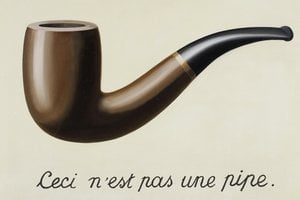
К 1926 году Магритт полностью принял принципы сюрреализма, создав *Жокея Perdu (Потерянного Жокея)*, который широко считается его первым по-настоящему сюрреалистическим произведением. Однако его подход к сюрреализму был уникальным. Он не стремился исследовать подсознание через свободное ассоциативное мышление или сновидения, как некоторые из своих современников. Вместо этого Магритт искал вызов восприятию реальности путем представления обыденных объектов в неожиданном контексте, заставляя зрителей подвергать сомнению свои предположения о мире вокруг них. Знаменитые работы, такие как *Обман Образа (Это не трубка)* (1929), разрушают связь между изображением и объектом, напоминая нам, что представление никогда не является самим предметом. *Любовники* (1927-1928) с их завуалированными фигурами отражают травму смерти матери, одновременно исследуя темы сокрытия и интимности. *Время Застыло* (1938) представляет собой локомотив, пробивающийся сквозь кирпичную стену, нарушая наше чувство пространства и времени. И *Человеческое Состояние* (1933), холст внутри холста, размывает границы между представлением и реальностью, побуждая нас задуматься о том, как мы воспринимаем и интерпретируем мир.
Поздние Годы, Признание и Непреходящее Наследие
Несмотря на первоначальные трудности с признанием, его работы постепенно приобретали известность, особенно в Соединенных Штатах благодаря выставкам в 1936 году и последующим ретроспективным выставкам в Музее современного искусства (1965) и Метрополитен-музее изящных искусств (1992). Он оставался политически активным на протяжении всей своей жизни, выступая за художественную автономию. Он продолжал совершенствовать свой фирменный стиль, исследуя темы повторения, иллюзии и силы языка в картинах, которые одновременно стимулируют ум и поражают воображение. Рене Магритт умер 15 августа 1967 года, оставив после себя корпус работ, который продолжает очаровывать и бросать вызов зрителям по всему миру. Его влияние распространяется далеко за пределы живописи, оказывая воздействие на поп-арт, минимализм, концептуальное искусство и даже рекламу и кино. Сегодня его картины хранятся в крупных музейных коллекциях по всему миру, включая Музеи королевского изящных искусств Бельгии в Брюсселе, где находится Магритт-музей – посвященный исключительно его творчеству и располагающий самым большим собранием его работ.
Музейные Коллекции:
- Музеи королевского изящных искусств Бельгии, Брюссель; Магритт-музей.
Непреходящее наследие Магритта заключается в том, что он заставляет нас видеть знакомое по-новому, подвергать сомнению наши предположения о реальности и ценить силу искусства, побуждающей к размышлениям и вдохновению.



 Предпросмотр
 Перейти к печати
 Поделиться
 Поделиться
 Детали произведения

 Скачать
 Похожие работы
 Рентгенография
 Слайд-шоу
 Статистика

 Читать далее






































 Вариант со стеклом доступен только для размеров менее 110 см