 Oil On CanvasWallArtSurrealism
 1947Modern
 53.0 x 66.0 cm
Печать (жикле) или холст музейного качества с быстрыми сроками изготовления и широким выбором вариантов отделки. ( Купить картину ручной работы Купить изображение)





























Выберите один из наших стандартных размеров, соответствующих оригинальным пропорциям произведения искусства.

Вы можете указать свои собственные размеры, чтобы репродукция идеально подошла под конкретную раму или пространство. Если выбранный вами размер не будет соответствовать пропорциям оригинала, мы либо обрежем произведение, либо дополним изображение зеркальным отражением краев или однотонной заливкой. Перед началом производства вам будет отправлен цифровой макет для утверждения.
Пожалуйста, обратите внимание, что предварительный просмотр на экране не отображает фактическую обрезку или расширение изображения. Только макет точно покажет финальную композицию.
Несмотря на возможность заказа индивидуальных размеров, мы рекомендуем выбирать размер из предопределенного списка, чтобы сохранить оригинальные пропорции.
Доставка по всему миру () за 2 недели вместо стандартных 4/5 недель. (6 Сентябрь)


The fair captive
Размер репродукции
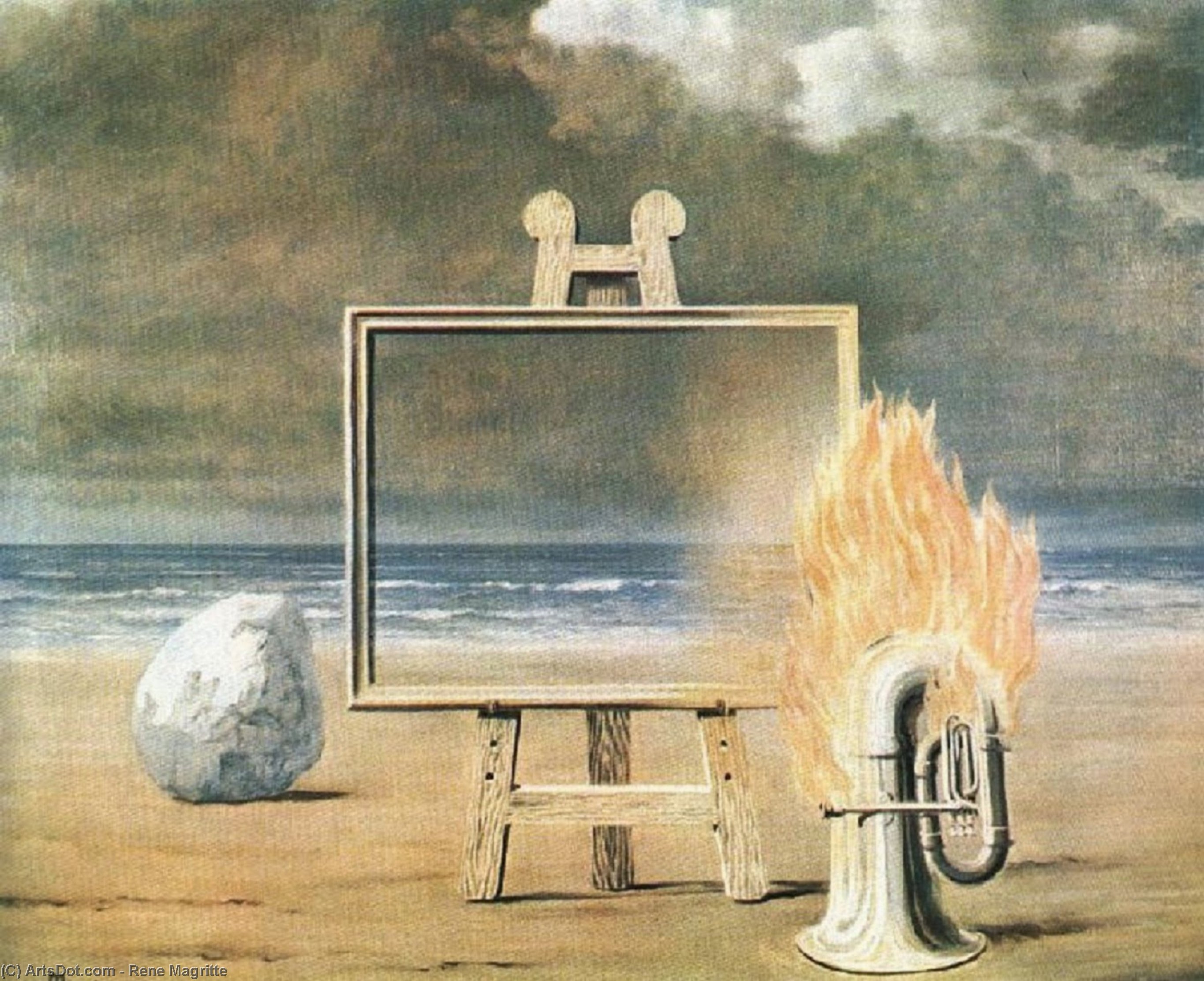
In the realm of Surrealism, few works possess the haunting, quiet gravity found in René Magritte’s 1947 masterpiece, The Fair Captive. At first glance, the viewer is presented with a meticulously rendered beach landscape, yet the scene is far from tranquil. A large, ornate picture frame dominates the foreground, standing seemingly unsupported and, most provocatively, entirely empty. This deliberate void creates an immediate psychological tension, pulling the observer away from the horizon and forcing a confrontation with the frame itself. To the left, a substantial stone rests heavily upon the sand, providing a grounded, tactile contrast to the ethereal, rolling waves that move toward the shore under a heavy, overcast sky. It is a composition designed to unsettle, where the familiar elements of nature are rearranged into a profound visual paradox.
The technical execution of this work exemplifies Magritte’s mature mastery of the oil medium. Eschewing the frantic energy of more expressive movements, Magritte employs a precise, almost hyper-realistic draftsmanship that lends an air of undeniable reality to his illogical subject matter. Every texture is rendered with remarkable fidelity—the weathered grain of the wooden frame, the cold smoothness of the stone, and the subtle, rhythmic undulations of the seawater. This smooth, polished technique serves a specific purpose: by presenting the impossible with such clarity and photographic stillness, Magritte bridges the gap between the waking world and the subconscious, making the dream feel disturbingly tangible.
Beyond its striking visual presence, The Fair Captive serves as a profound meditation on the limitations of art and perception. The empty frame is perhaps the most potent symbol within the piece; it represents an absence of representation, a window that refuses to show us a world, but instead highlights the boundary between what is seen and what is imagined. It suggests that reality cannot be truly captured or contained by mere borders. The title itself introduces a layer of psychological intrigue—does the "captive" refer to the viewer, trapped within their own conventional perceptions, or does it speak to the way we attempt to imprison truth within the confines of a canvas?
For the discerning collector or interior designer, this painting offers more than just aesthetic beauty; it provides a conversational centerpiece that invites deep contemplation. The somber, diffused lighting and the muted, earthy palette create an atmosphere of quiet mystery that can anchor a sophisticated space. Whether placed in a minimalist gallery setting or a richly textured study, the work’s ability to provoke thought makes it a timeless addition to any collection. It is a piece that does not merely decorate a wall but transforms the very energy of a room, offering a window into the enigmatic soul of one of the twentieth century's most influential visionaries.

Непреходящее наследие Магритта заключается в том, что он заставляет нас видеть знакомое по-новому, подвергать сомнению наши предположения о реальности и ценить силу искусства, побуждающей к размышлениям и вдохновению.

1898 - 1967 , Бельгия

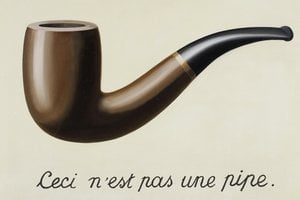
Delve into the profound mysteries of René Magritte’s Surrealism. Explore an expert analysis of 'The Treachery of Images,' decoding the philosophical paradoxes and visual subversions that redefined modern art history for collectors and connoisseurs alike.

Embark on a visual journey through the subconscious. Explore the profound symbolism of Surrealist masterpieces, from Dalí's melting clocks to dreamlike landscapes, and learn how to curate these evocative visions into your private art collection with expert guidance.

Embark on a visual journey through the most captivating Surrealist masterpieces. From Dalí's dreamscapes to symbolic enigmas, discover expert insights for the discerning collector looking to acquire museum-quality fine art reproductions and bespoke commissions.

Explore the profound depths of Surrealism. Discover how masters like Dalí and Ernst unlocked the subconscious through dreamlike imagery, and learn to integrate these evocative, museum-quality masterpieces into your private collection with expert art historical insight.

 Предпросмотр
 Поделиться
 Поделиться
 Детали произведения

 Скачать
 Похожие работы
 Рентгенография
 Слайд-шоу
 Читать далее







 Вариант со стеклом доступен только для размеров менее 110 см