Ранние годы и становление художника
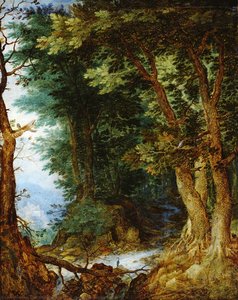
Питер Мондриан, урожденный Питер Корнелис Мондриаан в 1872 году в тихом голландском городке Амерсфорт, шел к своему художественному призванию не сразу, а постепенно. Его юность была пронизана традициями; его дядя, Фритс Мондриан, уже был известным живописцем, и это родственное влияние изначально направило его к пейзажной живописи. Эти ранние работы, напоминающие школу Гааги и голландский импрессионизм – такие произведения, как «Красная мельница» – показывают молодого художника, усердно изучающего природу, овладевающего техникой, но в то же время тонко стремящегося к чему-то большему, чем простое воспроизведение реальности. Уже тогда стремление к упрощению ощущалось в его мазках. Он не довольствовался простым зеркальным отражением мира; он хотел вычленить его суть. Этот ранний период ознаменовался экспериментами с пуантилизмом и фовизмом, каждый стиль предлагал иной взгляд на цвет и форму, но ни один из них полностью не удовлетворял его растущее художественное видение. Это было время исследований, необходимая прелюдия к радикальному перевороту, который должен был определить его наследие.
Парижское пробуждение и рождение неопластицизма
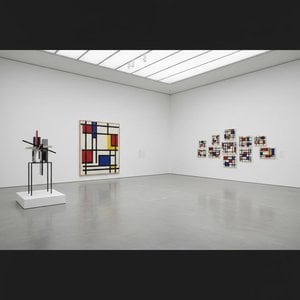
Поворотным моментом стало переезд Мондриана в Париж в 1912 году. Город пульсировал авангардной энергией, и он погрузился в революционный мир кубизма. Эта встреча оказалась преобразующей. Он начал деконструировать формы, разбивать объекты на геометрические компоненты, отходя от изображения *того*, что он видел, к исследованию *способа* его видения. Но Мондриан не просто перенимал новый стиль; он отправлялся в духовное путешествие. Глубоко вдохновленный теософией – мистической философией, подчеркивающей лежащие в основе универсальные принципы – он верил, что искусство может быть средством выражения этих скрытых истин. Эта вера подпитывала его неустанное стремление к абстракции, заставляя его сводить цвет и форму к их самым фундаментальным элементам. Около 1917 года это путешествие завершилось формулировкой неопластицизма, часто называемого «чистым пластическим искусством». Это была радикальная эстетика, основанная на основных формах – прямых линиях, прямых углах – и ограниченной палитре: первичных цветах (красном, синем, желтом), черном, белом и сером. Для Мондриана это упрощение было не пустотой; оно заключалось в раскрытии лежащей в основе гармонии вселенной, визуальном проявлении духовного порядка. Он стал соучредителем движения *De Stijl* вместе с Тео ван Дусбургом для продвижения этих идей, закрепив неопластицизм как определяющую силу в современном искусстве. Шедевры, такие как «Композиция с красным, синим и желтым» и «Табло № 2 Композиция № V», являются свидетельством этого периода, знаковыми представлениями его непоколебимой приверженности геометрической чистоте.
Новые ритмы Нью-Йорка: расцвет в поздние годы
Начало Второй мировой войны вынудило Мондриана покинуть Европу в 1940 году и найти убежище в шумном мегаполисе Нью-Йорке. Эта перемена оказалась неожиданно стимулирующей. Жесткая сетка города – резкий контраст с более органичными ландшафтами, которые он знал ранее – резонировала с его художественными принципами. Его поздние работы, наиболее заметные из которых — «Бродвейский буги-вуги» (1943 год), отражают это влияние. Сохраняя основные принципы неопластицизма, картина вносит динамичную энергию, яркий ритм, вдохновленный пульсирующей жизнью города и джазовой музыкой. Прямые линии по-прежнему присутствуют, но теперь они танцуют и пересекаются с большей свободой, создавая ощущение движения и радости. Казалось, что Мондриан нашел новый язык в рамках своей устоявшейся лексики, способ выразить сложность современной городской жизни через простоту геометрической абстракции. Он продолжал совершенствовать свой стиль до самой смерти в 1944 году, оставив после себя корпус работ, который продолжает очаровывать и вдохновлять.
Непреходящее наследие: влияние Мондриана
Влияние Пита Мондриана на мир искусства неизмеримо. Он был не просто художником; он был визионером, который фундаментально изменил наше понимание абстракции и ее потенциала для выражения универсальных истин. Его работа оказала глубокое влияние на бесчисленных художников, движения и дисциплины. Абстрактный экспрессионизм, минимализм и живопись цветового поля все обязаны его новаторскому духу. Но его влияние выходит далеко за пределы холста. Принципы неопластицизма – простота, ясность, геометрический порядок – проникли в архитектуру, дизайн и моду. От мебели и текстиля до фасадов зданий и графических макетов эстетика Мондриана продолжает формировать наш визуальный мир. Он остается культовой фигурой в современном искусстве, символом неустанного стремления к абстракции и непреходящей силы художественной инновации. Как метко заметил историк дизайна Стивен Бейли, Мондриан стал «тотемом всего, чем стремился быть модернизм». Его наследие – это не только эстетическая красота, но и интеллектуальная строгость, духовная глубина и непоколебимая вера в преобразующий потенциал искусства.
Влияния и ключевые работы
- Ранние влияния: Школа Гааги, голландский импрессионизм, пуантилизм, фовизм заложили основу для его первых художественных исследований.
- Преобразующее влияние: Кубизм в Париже сыграл решающую роль в его переходе к абстракции и геометрическим формам.
- Философская основа: Теософия глубоко повлияла на его веру в то, что искусство может выражать универсальные духовные принципы.
- Ключевые работы: «Красная мельница» (ранний натуралистический период), «Композиция с красным, синим и желтым» (квинтэссенциальный неопластицизм), «Табло № 2 Композиция № V» (демонстрирует упрощение форм), «Бродвейский буги-вуги» (поздняя динамика, вдохновленная Нью-Йорком).
- Непреходящее влияние: Работа Мондриана продолжает вдохновлять художников, архитекторов и дизайнеров, формируя современную эстетику в различных дисциплинах.
Его эстетические принципы выходили за рамки живописи и влияли на архитектуру, дизайн и моду. Он остается культовой фигурой в современном искусстве, представляя собой стремление к абстракции и универсальной гармонии.



 Примерить в интерьере
 Заказать репродукцию ручной работы
 Отправить
 Поделиться
 Подробнее
 Руководство

 Скачать
 Похожие объекты
 Рентгенография
 Слайд-шоу
 Статистика
 Развернуть текст






































 Вариант со стеклом доступен только для размеров менее 110 см