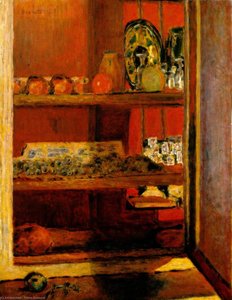
A Life Bathed in Light: The World of Pierre Bonnard
Pierre Bonnard, born in 1867 in the Parisian suburb of Fontenay-aux-Roses, не был предначертан для жизни, пропитанной художественным самовыражением. Его отец, высокопоставленный чиновник во французской Министерстве войны, видел для своего сына карьеру юриста. Молодой Пьер должным образом изучал право, получив лицензию в 1888 году, но его сердце лежало иначе – в очаровающем мире цвета и формы. Эта двойственность, этот напряженный дуализм между ожиданиями и страстью, тонко отразился в его художеческом пути, придав его работам уникальную интимность. Изначально он занимался карикатурой, оттачивая наблюдательность, которая впоследствии расцвела в изысканно прорисованные сцены домашней жизни. Однако именно в Академии Джулиан Боннарр нашел свой путь, встретив единомышленников, которые разделяли его растущее отрицание академических условностей и приняли авангардное дух, охватывающий Париж. Это привело его к Наби – группе художников, включая Мориса Дени, Пола Серьюэра и Эдмонда Вийярда – которые стремились наполнить искусство духовностью и символизмом, выходя за рамки простого представления в сторону исследования внутреннего опыта.
The Nabi Years and the Cultivation of Intimacy
Ассоциация Боннарра с Наби оказалась решающей. Подчеркивание группой сглаженных форм, смелых цветовых палитр и отрицание традиционной перспективы глубоко резонировало с художественными чувствами художника. Вдохновленный японскими гравюрами – их элегантными линиями и гармоничными композициями – и символистским движением, исследующим субъективные эмоции, Боннарр начал развивать свой фирменный стиль. Он не стремился к грандиозным повествованиям или историческим аллегориям; вместо этого он обратился внутрь себя, сосредоточившись на тихих моментах повседневной жизни: женщина, принимающая ванну, семья, собравшаяся за ужином, солнечный сад. Эти сцены не были просто изображениями мест, а скорее их интерпретациями – воссозданиями атмосферы и воспоминаний. Этот акцент на интимной домашней жизни принес ему прозвище “Интим”, которое идеально отражает эмоциональную глубину его работ. Его картины не рассказывают *что* изображено, а передают *как* ощущается присутствие в этих моментах. Он работал по памяти, тщательно зарисовывая и затем перенося эти впечатления на холст с поразительной чувствительностью к свету и цвету. Он отходил от прямого наблюдения, предпочитая вместо этого рисовать, исходя из воспоминаний, что позволяло ему наполнить сцены мечтательным качеством. Его пейзажи не были просто изображениями мест, а эмоциональными реакциями на них – через призму личного опыта.
Color as Emotion: A Master Colorist
Мастерство Боннарра в цвете, вероятно, является его наиболее определяющей характеристикой. Он не просто *использовал* цвет; он *чувствовал* его, позволяя ему определять настроение и атмосферу его картин. Его палитра была яркой, но при этом нюансированной, часто используя неожиданные сочетания, создающие ощущение мерцающего сияния. Он знаменито возвращался к завершенным картинам, тонко корректируя цвета на нескольких работах, чтобы добиться совершенной гармонии – свидетельство своей одержимости цветовым балансом. Это не было попыткой реалистичного представления; это было о том, как передать субъективный опыт цвета, его способность вызывать эмоции и воспоминания. Он был вдохновлен японскими гравюрами, в которых преобладали чистые, насыщенные цвета и отсутствие теней. Он также изучал работы художников-импрессионистов, таких как Моне и Ренуар, которые использовали цвет для создания атмосферы и передачи эмоций. Боннарр стремился к тому, чтобы его картины были не просто визуально привлекательными, но и эмоционально значимыми.
Later Life and Lasting Legacy
По мере того, как Боннарр созревал, его художественный фокус все больше смещался в сторону исследования цвета и света. Он проводил все больше времени за пределами Парижа, очарованный средиземноморским пейзажем и его интенсивным сиянием. Его отношения с Монетом, великим мастером импрессионизма, оставались центральными в его жизни и творчестве. Монет часто навещал Боннарра в его доме в Живерни, чтобы изучить новые картины и делиться своими идеями. В 1912 году он купил "Ла Рулот" в Верноне, установив близкую дружбу с художником. Это место стало для него источником вдохновения и умиротворения. Он продолжал рисовать до своей смерти в 1947 году, оставив после себя сокровищницу работ, которая продолжает очаровывать и вдохновлять. Влияние Боннарра на последующие поколения художников неоспоримо. Его акцент на внутреннем опыте, его мастерство в использовании цвета и его восхваление повседневной жизни оставили неизгладимый след в современном искусстве. Он продемонстрировал, что красоту можно найти не в грандиозных жестах или героических повествованиях, а в тихих моментах жизни – освещенных светом и наполненных эмоциями.
Notable Works & Collections
- Woman in Checkered Dress (1890): Ранний пример его стиля Наби, демонстрирующий сглаженные формы и смелые цветовые сочетания.
- The Dining Room (1913): Типичная картина интимной жизни, передающая тепло и близость домашнего очага.
- Bowl of Fruit (c. 1933): Демонстрирует его мастерство в изображении предметов, с яркими цветами и ощущением мерцающего глубины.
- The Almond Tree in Blossom (1947): Одна из последних картин, завершенных незадолго до его смерти, демонстрирующая его продолжение исследования цвета и света.
Работы Боннарра можно найти в ведущих музеях мира, включая:
- Музей Мармоттен-Моне, Париж, Франция
- Чикагский институт искусств
- Музей современного искусства, Нью-Йорк
- Тейт Модерн, Лондон



 Примерить в интерьере
 Заказать репродукцию ручной работы
 Отправить
 Поделиться
 Подробнее
 Руководство

 Скачать
 Похожие объекты
 Рентгенография
 Слайд-шоу
 Статистика

 Развернуть текст






































 Вариант со стеклом доступен только для размеров менее 110 см