Получите файл, готовый к печати, качество которого значительно превосходит веб-превью. Каждое цифровое изображение в нашем каталоге создано на основе мастер-файла высокого разрешения — обычно шириной от 5 000 до 15 000 пикселей, — что позволяет вам уверенно печатать работы большого формата, использовать кадрирование или воспроизводить мельчайшие детали.
Ни один файл не покидает нашу студию без обработки. Эксперт по цифровой ретуши сверяет цвета с оригинальной картиной и при необходимости корректирует их, после чего повышает четкость и детализацию с помощью профессиональных инструментов — неизменно сохраняя верность мазкам кисти и стилю автора. В результате получается изображение, которое выглядит как подлинная живопись, а не как отсканированный снимок с наложенными фильтрами.
Вы одобряете результат до завершения заказа: наш эксперт отправит изображение по электронной почте в течение 72 часов для вашего ознакомления. Не удовлетворены результатом? Попросите внести правки или исправления, либо запросите возврат средств, если качество не соответствует ожиданиям.
Именно на это качество полагаются издательства, дизайн-студии, галереи и типографии.
Скачайте файл высокого разрешения для личного использования, печати и творческих проектов. ( Переключиться на печать Заказать репродукцию ручной работы)
Выбирая WahooArt.com, вы получаете не просто изображение — вы приобретаете профессионально обработанное цифровое произведение искусства, созданное с безупречной точностью и под защитой гарантии качества. Вот всё, что автоматически входит в ваш заказ:
Ваш цифровой файл в высоком разрешении будет отправлен по электронной почте в течение 72 часов после оформления заказа и сразу станет доступен для использования.
Ваше произведение искусства проходит профессиональную оптимизацию с использованием передовых инструментов ИИ и ручной обработки, что гарантирует максимальную детализацию, четкость и точность цветопередачи.
Случайно удалили или потеряли файл? Не беспокойтесь — мы отправим его вам повторно в любое время и совершенно бесплатно.
Наслаждайтесь вашим произведением искусства мгновенно без таможенных пошлин, сборов или затрат на доставку — цифровые загрузки всегда не облагаются налогом.
Мы гарантируем максимально точное соответствие цифрового изображения оригиналу благодаря использованию профессиональных инструментов и систем управления цветом.
Если вы не будете удовлетворены своим цифровым изображением, мы внесем правки или вернем 100% стоимости в течение 100 дней — без лишних вопросов.
Не удовлетворены покупкой? Мы вернем вам полную стоимость в течение 100 дней после получения цифрового файла — без лишних вопросов.
Купите 3 изображения — скидка 10%; купите 5 — скидка 15%; от 10 изображений — скидка 20%. Отличное решение для творческих проектов, галерей и агентств.
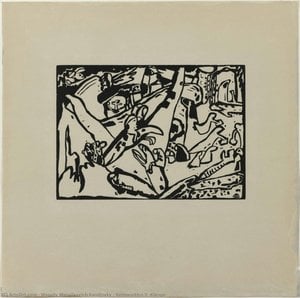
«Untitled (13)», Джексон Поллок относится к направлению Abstract Expressionism, характерному для эпохи Modern. Вместе они определяют место этого произведения в истории искусства.
Джексон Поллок создал(а) «Untitled (13)» в 1943 году.
Слайд-шоу к произведению «Untitled (13)» можно посмотреть на странице Слайд-шоу этого произведения.

Paul Jackson Pollock, born in Cody, Wyoming, in 1912, was a restless spirit from the very beginning. His early life was marked by constant movement; his father, LeRoy Pollock, pursued work as a land surveyor across the vast landscapes of the American West, leading the family on a nomadic journey through Arizona and California. This itinerant existence instilled in young Pollock a deep connection to the natural world – he developed an appreciation for Native American art during these surveying trips, absorbing their visual language and spiritual intensity. Though he never consciously imitated Indigenous styles, these early experiences undoubtedly left an indelible mark on his artistic sensibility, shaping his later exploration of raw energy and primal expression.
Pollock’s formal artistic training commenced at the Manual Arts High School in Los Angeles, followed by studies at the Art Students League of New York under the tutelage of Thomas Hart Benton. Benton, a prominent figure in the Regionalist movement, emphasized rhythmic composition and narrative themes rooted in American life. Initially, Pollock absorbed Benton's lessons diligently, learning to create works that depicted scenes of rural America with a sense of dynamism and social commentary. However, his inherent inclination leaned toward more abstract explorations – he was drawn to the expressive potential of color and form, seeking ways to convey emotions and ideas beyond representational accuracy.
Furthermore, Pollock was profoundly influenced by Mexican muralists like José Clemente Orozco, whose monumental works depicted social struggles and historical events with a powerful emotional intensity. The scale, dynamism, and symbolic language of these murals resonated deeply with Pollock, inspiring him to seek ways to create art that could capture the complexities of human experience on a grander scale.
The 1930s witnessed Pollock’s experimentation with various techniques, driven by a desire to move beyond traditional brushwork. He began pouring paint directly onto canvases, exploring its fluidity and unpredictable nature – this was not simply applying color; it was an attempt to capture the very essence of movement and spontaneity. However, it was around 1947 that his artistic trajectory underwent a radical transformation. Abandoning the easel altogether, Pollock laid canvases directly on the floor, initiating what would become known as his “drip technique.” He then proceeded to drip, splash, and fling paint onto the canvas from above, orchestrating a dynamic dance between artist, medium, and surface – this wasn’t merely about applying paint; it was about embodying the act of creation itself.
This innovative approach fundamentally altered the way painting was conceived. Pollock's canvases became arenas for physical expression, capturing the immediacy of his gestures and emotions. The resulting paintings are characterized by their “all-over” composition – a lack of central focus that invites the viewer to explore the entire surface as a unified field of energy. Intricate networks of lines and colors intertwine, creating a visual complexity that is both captivating and challenging. He employed unconventional tools—sticks, knives, even syringes—to manipulate the paint in unpredictable ways, further emphasizing the spontaneous nature of his process.
This revolutionary technique positioned Pollock as a central figure in the burgeoning Abstract Expressionist movement, which emerged in post-World War II New York City. Abstract Expressionism prioritized spontaneous gesture, large scale, and non-representational imagery – reflecting a broader cultural shift away from traditional artistic conventions. His marriage to fellow artist Lee Krasner was also pivotal; she provided unwavering emotional support and actively encouraged his artistic development, recognizing the groundbreaking nature of his work.
Pollock’s most celebrated works—such as Number 1, 1950 (Lavender Mist), One: Number 31, 1950, Blue Poles: Number 11, 1952, and *Convergence*—are testaments to his revolutionary technique. These paintings are not simply images; they are records of a performance, imbued with the artist’s physical presence and emotional intensity. The dynamic energy that emanates from these canvases is palpable, drawing viewers into a world of pure abstraction.
The significance of Pollock's work extends beyond mere aesthetics; it represents an exploration of process over product. He sought to capture the immediacy of his actions and emotions on canvas, rejecting traditional notions of composition and representation. He delved into Jungian psychology, exploring archetypes and the subconscious in his art, seeking to tap into universal symbols and primal energies.
Pollock’s impact on the history of art is immeasurable. He fundamentally altered the way artists approached painting, breaking free from easel-based methods and embracing a more performative approach. His work helped solidify New York City's position as a global center for modern art, shifting the focus away from European dominance. His influence can be seen in the work of countless artists who followed, including those associated with Color Field painting and later forms of abstract expressionism.
Despite his groundbreaking achievements, Pollock’s life was marked by personal struggles. He battled alcoholism for much of his adult life, a condition that exacerbated his volatile personality and contributed to his untimely death in 1956 at the age of 44. However, it is important to recognize Pollock not just as an artist but also as a complex individual grappling with profound emotional challenges.
His legacy continues to evolve and inspire artists today. His work remains a subject of intense debate and interpretation, prompting viewers to consider the relationship between art, emotion, and experience. The drip technique he pioneered is still practiced by many contemporary painters, demonstrating the enduring relevance of his innovations. Jackson Pollock’s paintings are not merely decorative objects; they are windows into the artist's psyche, offering a glimpse into the depths of human consciousness.

1912 - 1956 , Соединенные Штаты Америки
 Примерить в интерьере
 Отправить
 Поделиться
 Подробнее
 Руководство

 Скачать
 Похожие объекты
 Рентгенография
 Слайд-шоу
 Q&A
Q&A Статистика

 Развернуть текст