Примерить в интерьере Примерить в AR Заказать репродукцию ручной работы Перейти к цифровым изображениям Отправить
Подробнее Руководство Добавить в избранное Скачать Похожие объекты Рентгенография Слайд-шоу Статистика

Going West

Experience Jackson Pollock's "Going West" (1935), a pivotal early work reflecting his family’s journey and influenced by Thomas Hart Benton. This oil painting captures pioneering life & showcases his evolving style.

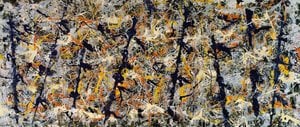
Джексон Поллок (1912-1956) – американский художник, пионер абстрактного экспрессионизма и техники "dripping". Его знаменитые полотна, такие как "Оранжевая голова" и "Blue Poles", отражают энергию, спонтанность и новаторский подход к живописи.

Жикле / Арт-принты

Печать (жикле) или холст музейного качества с быстрыми сроками изготовления и широким выбором вариантов отделки. ( Заказать репродукцию ручной работы Перейти к цифровым изображениям)

Corner sample of the P118B picture frame: формованный полистирол, 5 cm wide and 3 cm thick
P118B $10
Corner sample of the P118H picture frame: формованный полистирол, 5 cm wide and 3 cm thick
P118H $10
Corner sample of the P118W picture frame: формованный полистирол, 5 cm wide and 3 cm thick
P118W $10
Corner sample of the P438Z picture frame: формованный полистирол, 5.5 cm wide and 3.5 cm thick
P438Z $10
Corner sample of the P508JH picture frame: формованный полистирол, 7 cm wide and 3.5 cm thick
P508JH $12
Corner sample of the P508YH picture frame: формованный полистирол, 7 cm wide and 3.5 cm thick
P508YH $12
Corner sample of the P805H picture frame: формованный полистирол, 5 cm wide and 3.5 cm thick
P805H $10
Corner sample of the P805Z picture frame: формованный полистирол, 5 cm wide and 3.5 cm thick
P805Z $10
Corner sample of the P919BZ picture frame: формованный полистирол, 7 cm wide and 3.5 cm thick
P919BZ $10
Corner sample of the P919G picture frame: формованный полистирол, 7 cm wide and 3.5 cm thick
P919G $10
Corner sample of the P919XJ picture frame: формованный полистирол, 7 cm wide and 3.5 cm thick
P919XJ $10
Corner sample of the P959ZH picture frame: формованный полистирол, 5 cm wide and 3 cm thick
P959ZH $10
Corner sample of the P968JZ picture frame: формованный полистирол, 6 cm wide and 4 cm thick
P968JZ $12
Corner sample of the W106C picture frame: массив дерева, 5 cm wide and 3 cm thick
W106C $8
Corner sample of the W218G picture frame: массив дерева, 5 cm wide and 3 cm thick
W218G $10
Corner sample of the W218JH picture frame: массив дерева, 5 cm wide and 3 cm thick
W218JH $8
Corner sample of the W218Y picture frame: массив дерева, 5 cm wide and 3 cm thick
W218Y $10
Corner sample of the W307PJ picture frame: массив дерева, 6 cm wide and 3 cm thick
W307PJ $10
Corner sample of the W316G picture frame: массив дерева, 6 cm wide and 3 cm thick
W316G $10
Corner sample of the W316PJ picture frame: массив дерева, 6 cm wide and 3 cm thick
W316PJ $8
Corner sample of the W316Y picture frame: массив дерева, 6 cm wide and 3 cm thick
W316Y $10
Corner sample of the W398PJ picture frame: массив дерева, 5 cm wide and 3 cm thick
W398PJ $8
Corner sample of the W4111J picture frame: массив дерева, 6.5 cm wide and 3.5 cm thick
W4111J $10
Corner sample of the W500HY picture frame: массив дерева, 7 cm wide and 5 cm thick
W500HY $15
Corner sample of the W500JH picture frame: массив дерева, 7 cm wide and 5 cm thick
W500JH $15
Corner sample of the W692G picture frame: массив дерева, 8 cm wide and 4 cm thick
W692G $12
Corner sample of the W849H picture frame: массив дерева, 5 cm wide and 3 cm thick
W849H $8
Corner sample of the W940BG picture frame: массив дерева, 7.5 cm wide and 4.5 cm thick
W940BG $15
Corner sample of the W953PJ picture frame: массив дерева, 6 cm wide and 3.5 cm thick
W953PJ $8

Стандартный размер
индивидуальный заказ
CM
INCH

Выберите один из наших стандартных размеров, соответствующих оригинальным пропорциям произведения искусства.

ширина
высота

Вы можете указать свои собственные размеры, чтобы репродукция идеально подошла под конкретную раму или пространство. Если выбранный вами размер не будет соответствовать пропорциям оригинала, мы либо обрежем произведение, либо дополним изображение зеркальным отражением краев или однотонной заливкой. Перед началом производства вам будет отправлен цифровой макет для утверждения.
Пожалуйста, обратите внимание, что предварительный просмотр на экране не отображает фактическую обрезку или расширение изображения. Только макет точно покажет финальную композицию.
Несмотря на возможность заказа индивидуальных размеров, мы рекомендуем выбирать размер из предопределенного списка, чтобы сохранить оригинальные пропорции.

Доставка по всему миру () за 2 недели вместо стандартных 4–5 недель. (12 Октябрь)

Бесплатная экспресс-доставка по всему миру
Высококачественный льняной холст
Полное страхование при транспортировке
Гарантия возврата таможенных пошлин
Гарантия точного цветового соответствия
100-дневный период возврата (только при обнаружении дефектов)
Гарантия возврата 100% средств
Скидка при заказе нескольких работ

Итоговая стоимость

$ 68

Going West

Жикле / Арт-принты

Размер репродукции

-

Итоговая стоимость

$ 68

Краткая справка

  • Title: Going West
  • Subject or theme: American West, Pioneer life
  • Artist: Jackson Pollock
  • Notable elements: Drip technique, family journey
  • Medium: Oil on canvas

Jackson Pollock’s “Going West”: A Journey of Family and Form

Jackson Pollock's "Going West," painted in 1935, isn’t merely a depiction of a winter landscape; it’s a deeply personal narrative woven into the fabric of American pioneering spirit. Born Paul Jackson Pollock in Cody, Wyoming – a town intimately linked to westward expansion – the painting resonates with a profound sense of familial history and the yearning for a new horizon. The scene unfolds at night, dominated by a snow-dusted mountain range, a backdrop that immediately evokes the vastness and rugged beauty of the American West. A small group of figures stands before this imposing vista, their forms rendered in a style that’s both recognizable and subtly abstracted – a characteristic born from Pollock's early experimentation with various artistic influences.

The painting’s genesis is believed to be rooted in a family photograph of a bridge in Cody, Wyoming. This seemingly simple starting point becomes the foundation for a richer exploration of themes: the journey westward undertaken by Pollock’s own family during his childhood from Arizona to California. This personal connection imbues the artwork with an emotional weight, transforming it into more than just a landscape; it's a visual embodiment of displacement, aspiration, and the enduring pull of home. The inclusion of a dog amongst the figures adds another layer of intimacy, suggesting companionship and shared experience on this arduous journey.

Echoes of Benton: Regionalism and Early Influence

To fully appreciate “Going West,” it’s crucial to recognize the significant influence of Thomas Hart Benton, Pollock's mentor. Benton, a prominent American Regionalist painter, championed a style characterized by realistic depictions of everyday life, particularly focusing on rural America and its history. Pollock, in his early career, was deeply drawn to Benton’s approach – evident in the careful rendering of the figures and the detailed depiction of the landscape. However, Pollock quickly moved beyond mere imitation, incorporating elements of Surrealism and drawing inspiration from Native American art, ultimately forging his own distinctive style.

Notice how Benton's use of bold lines and a somewhat flattened perspective is echoed in Pollock’s composition, though subtly transformed. The figures aren’t sharply defined; they possess an almost dreamlike quality, contributing to the painting’s overall atmosphere of mystery and introspection. This early experimentation with different styles demonstrates Pollock’s artistic restlessness and his willingness to absorb influences before ultimately establishing his revolutionary drip technique.

The Language of Paint: Technique and Atmosphere

“Going West” is a masterclass in the expressive potential of oil paint. Pollock employs a layered, almost chaotic application, building up texture and depth through multiple layers of color. The dark blues and blacks of the night sky contrast dramatically with the warm hues of the mountains and the figures’ clothing, creating a powerful sense of drama and visual tension. The technique is not about precise representation; it's about conveying feeling – the coldness of the winter air, the vastness of the landscape, and the quiet contemplation of the group before them.

The use of impasto—thickly applied paint—adds a tactile quality to the canvas, inviting viewers to reach out and touch the surface. This physicality is particularly striking in the depiction of the mountains, where the paint seems to ripple and flow like water. The overall effect is one of movement and energy, despite the static pose of the figures. It’s important to note that this technique was still developing as Pollock moved toward his signature drip painting style, making “Going West” a crucial stepping stone in his artistic evolution.

A Testament to American Identity

“Going West” transcends its immediate subject matter to become a potent symbol of the American experience. It speaks to the pioneering spirit, the challenges and rewards of westward expansion, and the enduring connection between family and place. Pollock’s ability to blend personal history with broader themes of American life is what makes this painting so compelling – it's not just a landscape; it’s a meditation on identity, journey, and the search for belonging. The painting serves as an important piece in understanding Pollock's early artistic development, setting the stage for his later abstract expressionist works.

For those seeking to own a piece of this remarkable artwork, WahooArt offers meticulously crafted hand-painted reproductions of “Going West.” These faithful recreations capture the painting’s rich textures, dramatic lighting, and emotional depth, allowing you to bring this iconic image into your home or office. Explore our reproduction options today!

Вопросы и ответы

Какой основной оттенок преобладает в «Going West», Джексон Поллок?

Преобладающий оттенок произведения «Going West», Джексон Поллок — Ochre to Sepia. Этот оттенок является основополагающим тоном палитры.

Как мне найти произведения, похожие на «Going West», Джексон Поллок?

Работы, похожие на «Going West», представлены на странице Похожие работы произведения.

К какому периоду относится «Going West», Джексон Поллок?

Исторический период произведения «Going West», Джексон Поллок — Modern. Данная классификация определяет место работы в истории искусства.

Какова форма и размеры произведения «Going West», Джексон Поллок?

Формат произведения «Going West» — Landscape, а оригинальная работа имеет размер 38 x 52 cm. Эти данные полезны при планировании репродукции.

В какой технике выполнено произведение «Going West», Джексон Поллок?

Для создания «Going West» Джексон Поллок использовал(а) технику Oil On Canvas. Эта техника определяет материальную природу оригинального произведения.

Какой размер печати рекомендуется для работы "Going West"?

Для работы "Going West" рекомендуется размер печати Large. Также доступны другие размеры с сохранением тех же пропорций.

Использует ли «Going West», Джексон Поллок резкие контрасты или мягкую гармонию?

В работе «Going West» Gentle контраст сочетается с Softly Mixed Palette гармонией.

Является ли «Going West» типичным для того, что обычно создавал Джексон Поллок?

«Going West» изображает american west, family journey, landscape, night scene, migration, figures, dog, thomas benton, в то время как зафиксированные темы Джексон Поллок включают thomas hart benton, regionalist style, american west themes, early abstract ideas, pollock's early style, transition to abstraction, experimentation phase, foundation for later works. Сравнение этих двух аспектов позволяет увидеть, как данная работа соотносится с привычными сюжетами художника.


Биография художника

Early Life and the Seeds of Innovation

Paul Jackson Pollock, born in Cody, Wyoming, in 1912, was a restless spirit from the very beginning. His early life was marked by constant movement; his father, LeRoy Pollock, pursued work as a land surveyor across the vast landscapes of the American West, leading the family on a nomadic journey through Arizona and California. This itinerant existence instilled in young Pollock a deep connection to the natural world – he developed an appreciation for Native American art during these surveying trips, absorbing their visual language and spiritual intensity. Though he never consciously imitated Indigenous styles, these early experiences undoubtedly left an indelible mark on his artistic sensibility, shaping his later exploration of raw energy and primal expression.

Pollock’s formal artistic training commenced at the Manual Arts High School in Los Angeles, followed by studies at the Art Students League of New York under the tutelage of Thomas Hart Benton. Benton, a prominent figure in the Regionalist movement, emphasized rhythmic composition and narrative themes rooted in American life. Initially, Pollock absorbed Benton's lessons diligently, learning to create works that depicted scenes of rural America with a sense of dynamism and social commentary. However, his inherent inclination leaned toward more abstract explorations – he was drawn to the expressive potential of color and form, seeking ways to convey emotions and ideas beyond representational accuracy.

Furthermore, Pollock was profoundly influenced by Mexican muralists like José Clemente Orozco, whose monumental works depicted social struggles and historical events with a powerful emotional intensity. The scale, dynamism, and symbolic language of these murals resonated deeply with Pollock, inspiring him to seek ways to create art that could capture the complexities of human experience on a grander scale.

The Birth of Action Painting and a Revolutionary Technique

The 1930s witnessed Pollock’s experimentation with various techniques, driven by a desire to move beyond traditional brushwork. He began pouring paint directly onto canvases, exploring its fluidity and unpredictable nature – this was not simply applying color; it was an attempt to capture the very essence of movement and spontaneity. However, it was around 1947 that his artistic trajectory underwent a radical transformation. Abandoning the easel altogether, Pollock laid canvases directly on the floor, initiating what would become known as his “drip technique.” He then proceeded to drip, splash, and fling paint onto the canvas from above, orchestrating a dynamic dance between artist, medium, and surface – this wasn’t merely about applying paint; it was about embodying the act of creation itself.

This innovative approach fundamentally altered the way painting was conceived. Pollock's canvases became arenas for physical expression, capturing the immediacy of his gestures and emotions. The resulting paintings are characterized by their “all-over” composition – a lack of central focus that invites the viewer to explore the entire surface as a unified field of energy. Intricate networks of lines and colors intertwine, creating a visual complexity that is both captivating and challenging. He employed unconventional tools—sticks, knives, even syringes—to manipulate the paint in unpredictable ways, further emphasizing the spontaneous nature of his process.

This revolutionary technique positioned Pollock as a central figure in the burgeoning Abstract Expressionist movement, which emerged in post-World War II New York City. Abstract Expressionism prioritized spontaneous gesture, large scale, and non-representational imagery – reflecting a broader cultural shift away from traditional artistic conventions. His marriage to fellow artist Lee Krasner was also pivotal; she provided unwavering emotional support and actively encouraged his artistic development, recognizing the groundbreaking nature of his work.

Iconic Works and Lasting Legacy

Pollock’s most celebrated works—such as Number 1, 1950 (Lavender Mist), One: Number 31, 1950, Blue Poles: Number 11, 1952, and *Convergence*—are testaments to his revolutionary technique. These paintings are not simply images; they are records of a performance, imbued with the artist’s physical presence and emotional intensity. The dynamic energy that emanates from these canvases is palpable, drawing viewers into a world of pure abstraction.

The significance of Pollock's work extends beyond mere aesthetics; it represents an exploration of process over product. He sought to capture the immediacy of his actions and emotions on canvas, rejecting traditional notions of composition and representation. He delved into Jungian psychology, exploring archetypes and the subconscious in his art, seeking to tap into universal symbols and primal energies.

Pollock’s impact on the history of art is immeasurable. He fundamentally altered the way artists approached painting, breaking free from easel-based methods and embracing a more performative approach. His work helped solidify New York City's position as a global center for modern art, shifting the focus away from European dominance. His influence can be seen in the work of countless artists who followed, including those associated with Color Field painting and later forms of abstract expressionism.

A Complex Figure and Enduring Influence

Despite his groundbreaking achievements, Pollock’s life was marked by personal struggles. He battled alcoholism for much of his adult life, a condition that exacerbated his volatile personality and contributed to his untimely death in 1956 at the age of 44. However, it is important to recognize Pollock not just as an artist but also as a complex individual grappling with profound emotional challenges.

His legacy continues to evolve and inspire artists today. His work remains a subject of intense debate and interpretation, prompting viewers to consider the relationship between art, emotion, and experience. The drip technique he pioneered is still practiced by many contemporary painters, demonstrating the enduring relevance of his innovations. Jackson Pollock’s paintings are not merely decorative objects; they are windows into the artist's psyche, offering a glimpse into the depths of human consciousness.

Джексон Поллок

Джексон Поллок

1912 - 1956 , Соединенные Штаты Америки

Краткая справка

  • Artistic Movement Or Style: Абстрактный экспрессионизм
  • Artists Or Movements Influenced By This Artist:
    • Полевые цвета
    • Экспрессионизм
  • Artists Who Influenced This Artist:
    • Бентон
    • Орозко
    • Массон
  • Date Of Birth: 28 января 1912 г.
  • Date Of Death: 11 августа 1956 г.
  • Full Name: Paul Jackson Pollock
  • Nationality: Американский
  • Notable Artworks:
    • Lavender Mist
    • One: 31
    • Blue Poles
    • Convergence
  • Place Of Birth: Кодий, США
Откройте для себя произведения искусства, распределенные по темам, стилям и характеристикам.