Получите файл, готовый к печати, качество которого значительно превосходит веб-превью. Каждое цифровое изображение в нашем каталоге создано на основе мастер-файла высокого разрешения — обычно шириной от 5 000 до 15 000 пикселей, — что позволяет вам уверенно печатать работы большого формата, использовать кадрирование или воспроизводить мельчайшие детали.
Ни один файл не покидает нашу студию без обработки. Эксперт по цифровой ретуши сверяет цвета с оригинальной картиной и при необходимости корректирует их, после чего повышает четкость и детализацию с помощью профессиональных инструментов — неизменно сохраняя верность мазкам кисти и стилю автора. В результате получается изображение, которое выглядит как подлинная живопись, а не как отсканированный снимок с наложенными фильтрами.
Вы одобряете результат до завершения заказа: наш эксперт отправит изображение по электронной почте в течение 72 часов для вашего ознакомления. Не удовлетворены результатом? Попросите внести правки или исправления, либо запросите возврат средств, если качество не соответствует ожиданиям.
Именно на это качество полагаются издательства, дизайн-студии, галереи и типографии.
Скачайте файл высокого разрешения для личного использования, печати и творческих проектов. ( Перейти к печатным копиям Купить картину ручной работы)
Выбирая WahooArt.com, вы получаете не просто изображение — вы приобретаете профессионально обработанное цифровое произведение искусства, созданное с безупречной точностью и под защитой гарантии качества. Вот всё, что автоматически входит в ваш заказ:
Ваш цифровой файл в высоком разрешении будет отправлен по электронной почте в течение 72 часов после оформления заказа и сразу станет доступен для использования.
Ваше произведение искусства проходит профессиональную оптимизацию с использованием передовых инструментов ИИ и ручной обработки, что гарантирует максимальную детализацию, четкость и точность цветопередачи.
Случайно удалили или потеряли файл? Не беспокойтесь — мы отправим его вам повторно в любое время и совершенно бесплатно.
Наслаждайтесь вашим произведением искусства мгновенно без таможенных пошлин, сборов или затрат на доставку — цифровые загрузки всегда не облагаются налогом.
Мы гарантируем максимально точное соответствие цветов цифрового изображения оригиналу благодаря использованию профессиональных инструментов и систем управления цветом.
Если вы не будете удовлетворены своим цифровым изображением, мы внесем правки или вернем 100% стоимости в течение 100 дней — без лишних вопросов.
Не удовлетворены покупкой? Мы вернем вам полную стоимость в течение 100 дней после получения цифрового файла — без лишних вопросов.
При покупке 3 изображений — скидка 10%; при покупке 5 — скидка 15%; от 10 изображений — скидка 20%. Отличное решение для творческих проектов, галерей и агентств.
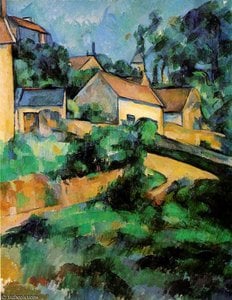
Paul Cézanne's “Study – Landscape at Auvers” isn’t merely a depiction of a Provençal village; it’s a carefully constructed meditation on perception, color, and the very essence of seeing. Painted in 1890 during his sojourn in the small village of Auvers-sur-Oise, just outside Paris, this work embodies the core tenets of Post-Impressionism – a movement Cézanne profoundly shaped – moving beyond the fleeting effects of light to explore underlying forms and structures. It’s a painting that invites prolonged contemplation, revealing layers of meaning with each return visit.
Cézanne's approach was revolutionary for his time. He wasn’t interested in faithfully reproducing what he saw; instead, he sought to capture the *idea* of the landscape – its underlying geometry and the way it interacts with light. Notice how he employs flattened planes of color, reminiscent of Seurat’s pointillism but imbued with a far more expressive intent. These aren't simply decorative hues; they are carefully chosen to define shapes and create a sense of solidity within the composition. The greens and blues of the hills are not blended smoothly, but rather applied in distinct blocks, suggesting volume and depth through color alone. This deliberate manipulation of form anticipates the abstract explorations of Cubism that would follow.
Auvers-sur-Oise itself held a particular significance for Cézanne. He had been invited there by his friend, Vincent van Gogh, who was struggling with mental illness and depression. While the two artists shared a mutual respect, their creative approaches were vastly different. Cézanne’s work in Auvers reflects a quiet intensity, a focused observation of the local environment. The village houses, rendered with simplified forms and bold colors, are not presented as charming rustic dwellings but rather as fundamental building blocks within a larger spatial arrangement. He meticulously observed the way light fell upon these structures, translating that experience onto the canvas with an almost architectural precision.
The inclusion of two figures – a man and a woman – adds a subtle layer of narrative to the scene. They are not actively engaged in any particular activity; instead, they seem to be simply present within the landscape, integrated into its fabric. Their placement is deliberate, drawing the eye across the composition and reinforcing Cézanne’s emphasis on spatial relationships. Some scholars suggest these figures represent Cézanne's wife, Marguérite, and their son, Paul, offering a glimpse into his personal life amidst his artistic endeavors.
Cézanne’s masterful use of color is central to the painting’s impact. He employs a limited palette – primarily blues, greens, browns, and ochres – but manipulates these colors with remarkable skill. The warm yellows and oranges of the sunlight contrast sharply with the cooler tones of the landscape, creating a dynamic interplay of light and shadow. He doesn't shy away from using non-naturalistic color combinations, prioritizing visual harmony over literal representation. This bold approach was revolutionary at the time, challenging traditional notions of how landscapes should be depicted.
Furthermore, Cézanne’s brushstrokes are deliberately visible, adding a tactile quality to the painting. They aren't blended or smoothed out; instead, they retain their individual character, creating a sense of movement and energy. This technique reflects his belief that the artist’s hand is an integral part of the creative process – a testament to the act of seeing itself.
"Study – Landscape at Auvers" stands as a pivotal work in art history, bridging the gap between Impressionism and modernism. It demonstrates Cézanne’s profound understanding of form, color, and spatial relationships, paving the way for subsequent generations of artists to explore new ways of representing reality. Its influence can be seen in the works of Picasso, Matisse, and countless others who followed in his footsteps. Today, reproductions of this iconic painting continue to captivate viewers with its quiet beauty and enduring power.
To experience the full richness of Cézanne’s vision, explore high-quality hand-painted oil reproduction prints available at WahooArt. Discover how these faithful recreations capture the essence of this groundbreaking masterpiece, bringing a touch of Provençal serenity to your home or studio.
Рекомендуемый способ использования принта «Study - Landscape at Auvers» — это Accent.
Картина «Study - Landscape at Auvers», Поль Сезанн создает Serene атмосферу и идеально подойдет для Living Room. Настроение произведения — это то, что он привносит в окружающее пространство.
«Study - Landscape at Auvers» был создан Поль Сезанн в стиле Post-Impressionism. Автор и направление определяют художественную традицию этого произведения.


1839 - 1906 , Франция
 Предпросмотр
 Поделиться
 Поделиться
 Детали произведения
 Руководство

 Скачать
 Похожие предметы
 Рентгенография
 Слайд-шоу
 Вопросы и ответы
 Статистика просмотров

 Читать далее