Биография художника
Жизнь и Ранние Годы Поля Сезанна
Поль Сезанн, родившийся в 1839 году в Эксе-ан-Провансе, занимает монументальное место в истории искусства, соединяя мимолетные впечатления импрессионизма с фрагментированными формами кубизма. Его путь не был путем мгновенного признания; скорее это было медленное горение художественного исследования, отмеченное периодами сомнений и критической оценки, которое в конечном итоге привело к наследию, навсегда изменившему ход современного искусства. Сезанн родился в обеспеченной семье – его отец сначала был шляпником, а затем банкиром – что было необычной финансовой безопасностью для начинающих художников, позволявшей ему посвятить себя своему страсти без немедленного давления коммерческого успеха. Хотя изначально отец направлял его на юридическую карьеру, тяга к художественному выражению оказалась слишком сильной, и он в конечном итоге оставил закон ради живописи, решения, которое определило его жизнь. Ранние влияния включали романтизм, преобладавший в его юности, и приверженность барбизонской школы пейзажу, но именно благодаря встречам с такими художниками, как Поль Гоген и Жорж Сёра, и их новаторским подходам к цвету и форме Сезанн начал выковывать свой собственный уникальный путь.
Формирование Стиля: От Темноты к Структуре
Ранние работы Сезанна часто отражали драматические, эмоционально заряженные темы, характерные для романтической живописи – темные палитры и выразительная манера письма доминировали в его полотнах. Однако этот начальный этап был лишь ступенькой к гораздо более аналитическому и новаторскому подходу. Недовольный простым улавливанием мимолетных впечатлений света, как это предпочитали импрессионисты, Сезанн отправился на поиски понимания и представления самой структуры объектов. Он стремился не только *видеть* то, что он видел, но и *понимать* фундаментальные формы, составляющие реальность. Это привело его к разложению естественных форм на их геометрические эквиваленты – конусы, цилиндры, сферы – предвосхищая кубистскую революцию за десятилетия до ее материализации. Его техника характеризовалась небольшими, повторяющимися мазками кисти, тщательно уложенными для создания сложных полей цвета и текстуры, создавая ощущение солидности и глубины, невиданное ранее в живописи. Он не интересовался иллюзионистским пространством; вместо этого он часто представлял объекты с нескольких точек зрения одновременно, бросая вызов традиционным представлениям о перспективе и заставляя зрителя активно участвовать в сконструированном характере его композиций. Это преднамеренное искажение не было произвольным, а скорее попыткой передать более полное понимание формы, представляя не только мгновение во времени, но и синтез восприятия.
Пейзажи, Натюрморты и Человеческая Фигура: Ключевые Работы и Повторяющиеся Мотивы
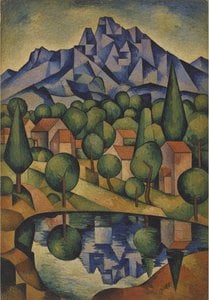
Творчество Сезанна удивительно разнообразно, охватывающее пейзажи, натюрморты, портреты и изображения купальщиц, но все они объединены его уникальным подходом к форме и цвету. Пруд в Жа де Буффан, написанный в 1880 году, является примером его работы над пейзажем, демонстрируя его способность улавливать суть природы посредством тщательной композиции форм и тонов. Портрет Эмиля Золы, созданный в 1866 году, раскрывает его развивающийся стиль и предлагает убедительный взгляд на интеллектуальную интенсивность его близкого друга и коллеги-писателя. Его натюрморты, такие как те, которые изображают яблоки и другие фрукты, – это не просто изображения объектов, а скорее исследования объема, света и пространственных отношений. Серия Мон-Сент-Виктуар стала одержимостью для Сезанна, повторяющимся мотивом, который позволял ему неустанно исследовать форму и перспективу на протяжении десятилетий. Эти картины – это не просто изображения горы; это исследования того, как мы воспринимаем глубину, объем и взаимодействие света и тени. Наконец, его серия Купальщиц, изображающая обнаженные фигуры в идиллических пейзажах, представляет собой глубокое исследование человеческой формы и ее связи с природой, часто пронизанное чувством вневременности и тихой созерцательности.
Наследие, Выкованное Инновациями: Влияние Сезанна на Современное Искусство
Влияние Поля Сезанна на последующие поколения художников неизмеримо. Его широко считают «отцом современного искусства» за его новаторский вклад в изобразительный язык, проложивший путь для многих крупных художественных движений XX века. Пабло Пикассо и Жорж Брак были глубоко обязаны акценту Сезанна на геометрических формах и множественных перспективах, которые стали центральными принципами кубизма. Его смелое использование цвета также вдохновило движение фовистов, возглавляемое такими художниками, как Анри Матисс, который принял яркие, неестественные оттенки. Даже сюрреалисты нашли отклик в исследовании Сезанном субъективного восприятия и психологической глубины. Помимо конкретных движений, настойчивость Сезанна на личном видении художника и его отвержение традиционных академических ограничений освободили поколения живописцев для исследования новых форм выражения. Он бросил вызов самому определению репрезентации, сместив акцент с имитации реальности на создание визуального опыта, основанного на лежащей в основе структуры и субъективном восприятии. Его смерть в 1906 году ознаменовала не конец, а начало – рассвет новой эры в истории искусства, глубоко сформированной его революционным видением.



 Предпросмотр
 Купить картину ручной работы
 Поделиться
 Поделиться
 Детали произведения
 Руководство

 Скачать
 Похожие работы
 Рентгенография
 Слайд-шоу
 Статистика

 Читать далее






































 Вариант со стеклом доступен только для размеров менее 110 см