


Произведение искусства, представленное на этой странице, защищено законом об авторском праве, что исключает возможность законного создания или продажи его точной репродукции. Данная защита обеспечивается международными соглашениями, такими как Бернская конвенция и национальным законодательством, включая положения, изложенные в Закон США об авторском праве — Раздел 17.
Этот метод полностью соответствует нормам авторского права, так как он не предполагает копирования или дублирования защищенного произведения. Напротив, это творческая реинтерпретация — создание новой картины, которая вдохновлена оригиналом, но не является его точной копией.
Печать (жикле) или холст музейного качества с быстрыми сроками изготовления и широким выбором вариантов отделки. ( Купить картину ручной работы Перейти к цифровым изображениям)





























Выберите один из наших стандартных размеров, соответствующих оригинальным пропорциям произведения искусства.

Введите необходимую ширину и высоту, чтобы репродукция подошла к вашей раме или стене. При печати изображение можно только уменьшить, но нельзя увеличить больше оригинала, поэтому при выборе другого формата часть изображения может быть обрезана. Перед печатью мы отправим вам цифровой макет на утверждение. Изображение на этой странице не отображает реальную обрезку — ее можно увидеть только на макете.
Доставка по всему миру () за 2 недели вместо стандартных 4–5 недель. (8 Ноябрь)
The Donne Triptych (centre panel)
Размер репродукции
Hans Memling's centre panel of *The Donne Triptych*, painted around 1475, is not merely a religious artwork; it’s a meticulously crafted testament to faith, status, and the burgeoning artistic sensibilities of the Early Netherlandish Renaissance. The scene unfolds with a quiet intimacy, depicting the Virgin Mary tenderly holding the Christ Child, surrounded by a group of women whose expressions are imbued with reverence and gentle contemplation. The composition isn't grand or dramatic; instead, it draws the viewer into a space of serene devotion, inviting shared participation in this sacred moment. The figures, rendered with Memling’s characteristic precision, possess an almost tangible presence, their richly detailed garments and delicate features revealing his mastery of oil painting techniques.
To understand *The Donne Triptych*, one must consider its origins within the vibrant artistic milieu of Bruges. Memling arrived in this flourishing commercial hub after a formative apprenticeship with Rogier van der Weyden in Brussels, absorbing the lessons of emotional depth and refined detail that defined Van der Weyden’s style. However, Memling quickly developed his own distinct voice – one characterized by a serene clarity and an exquisite attention to texture and light. Bruges, as a major center for trade and cultural exchange, attracted patrons from across Europe, including Sir John Donne, the commissioner of this triptych. The presence of such discerning collectors fueled artistic innovation, encouraging artists like Memling to push the boundaries of realism and symbolism.
The painting is replete with symbolic elements that would have resonated deeply with a 15th-century audience. The books scattered throughout the scene likely represent religious texts or allude to learning and spiritual knowledge. The inclusion of Saints Catherine and Barbara, identifiable by their respective attributes (the wheel and tower), speaks to the specific devotional preferences of the Donne family. Even the presence of the horse on the left side isn’t arbitrary; it may symbolize strength, nobility, or even Christ's entry into Jerusalem. The subtle details – the delicate embroidery on the garments, the gleaming surfaces of the jewelry, the carefully rendered folds of drapery – all contribute to a sense of opulent realism that elevates the scene beyond mere representation. The very act of commissioning such an elaborate triptych was itself a statement of piety and social standing.
What truly sets *The Donne Triptych* apart is its enduring emotional impact. Memling doesn’t overwhelm the viewer with dramatic gestures or theatrical displays; instead, he creates an atmosphere of quiet contemplation and heartfelt devotion. The tender interaction between Mary and Jesus, the respectful gazes of the surrounding women, and the dignified presence of Sir John Donne and his family all contribute to a sense of profound spiritual connection. The painting invites us to reflect on themes of faith, motherhood, and the enduring power of divine grace. A reproduction of this masterpiece brings not only artistic beauty into a space but also a timeless message of hope and serenity.
Цветовая композиция «The Donne Triptych (centre panel)», Ханс Мемлинг сочетает в себе Statement контраст с Softly Mixed Palette гармонией.
Цветовая гармония произведения «The Donne Triptych (centre panel)» определена как Softly Mixed Palette.
Светотеневой контраст произведения «The Donne Triptych (centre panel)» составляет Statement. Контраст определяет степень различия между светлыми и темными участками.


Германия

Embark on a visual journey through Early Medieval art. Explore the profound beauty of illuminated manuscripts, sacred symbols, and golden light through an expert historical lens, celebrating the enduring legacy of medieval craftsmanship and divine artistry.

Embark on a scholarly journey through the sacred beauty of High Medieval art. Discover the profound symbolism, luminous iconography, and spiritual depth of Gothic masterpieces in this expert guide for classical art enthusiasts.
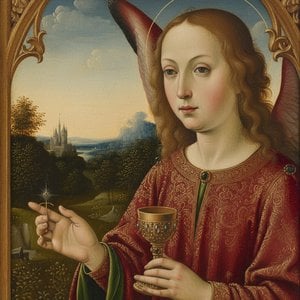
Embark on a journey through the luminous world of Early Netherlandish art. Discover the revolutionary oil techniques, microscopic realism, and sacred symbolism used by masters like Jan van Eyck to redefine Western art history in this expert-led guide.

Embark on a scholarly journey through the spiritual grandeur of Late Medieval art. Discover the intricate symbolism, technical mastery, and profound religious narratives that define the Gothic era in this expert-led guide for art enthusiasts and collectors.
 Предпросмотр
 Поделиться
 Поделиться
 Детали произведения
 Руководство

 Скачать
 Похожие предметы
 Рентгенография
 Слайд-шоу
 Вопросы и ответы
 Статистика просмотров

 Читать далее









 Вариант со стеклом доступен только для размеров менее 110 см


