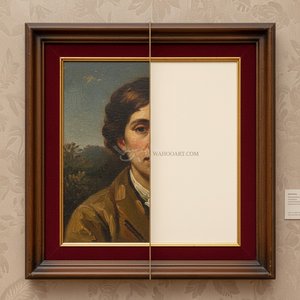
Ганс Мемлинг: Мастер детали и покровительство в Брюгге
Ганс Мемлинг (ок. 1430 – 11 августа 1494), родившийся в Зелигенштадте, Германия, занимает центральное место в истории живописи Раннего Нидерландского Возрождения – движения, характеризующегося изысканным реализмом, скрупулезным наблюдением за природой и глубоким духовным созерцанием. Несмотря на то, что его юные годы прошли преимущественно в художественной среде Рейнской области, путь Мемлинга в конечном итоге привел его в Брюгге, Бельгия, где он утвердился как один из ведущих художников своего времени и создал процветающую мастерскую, распространявшую его неповторимый стиль по всей Европе.
- Ранние годы и обучение: Точные биографические детали рождения Мемлинга остаются неясными, однако общепринятая точка зрения предполагает, что он появился на свет в Майнце около 1430 года. Его художественное образование началось под руководством Рогира ван дер Вейдена, титана фламандской живописи, мастерство которого в технике масляной живописи и скульптурной моделировке оказало глубокое влияние на технику Мемлинга. Это обучение привила ему непоколебимую преданность деталям – отличительную черту, которая определила все его творчество.
- Брюгге и мастерская: К 1465 году Мемлинг получил гражданство в Брюгге, процветающем торговом центре и художественном эпицентре. Осознавая потенциал совместного творчества, он основал мастерскую, укомплектованную многочисленными помощниками, создавшую среду для инноваций и стилистической последовательности. Эта мастерская стала известна производством потрясающих репродукций шедевров – свидетельство умения Мемлинга как художника и педагога.
Стиль, определяемый точностью и покровительством
Художественный стиль Мемлинга мгновенно узнаваем: он характеризуется светлыми цветовыми палитрами, деликатно прорисованными складками драпировок и поразительным уровнем анатомической точности. Он тщательно изучал человеческую анатомию – черпая вдохновение в классической скульптуре – чтобы достичь непревзойденного реализма как в своих портретах, так и в религиозных сценах. В отличие от многих современников, которые предпочитали выразительные мазки кистью, Мемлинг уделял первостепенное внимание скрупулезному наблюдению и кропотливому исполнению, что приводило к образам, пронизанным безмятежной красотой и глубокой духовной глубиной.
- Религиозные заказы: Репутация Мемлинга возросла благодаря выгодным заказам от богатых покровителей – в основном духовенства и аристократических семей – которые искали изображения святых и библейских повествований, резонирующих с благочестием и престижем. Примечательными примерами является “Страшный суд” в госпитале Святого Иоанна в Брюгге, монументальная фреска, демонстрирующая мастерское композиционное умение Мемлинга и драматическое использование цвета.
- Портретное искусство: Мемлинг преуспел как портретист, запечатлевая облик выдающихся личностей с замечательной чуткостью и психологической проницательностью. Его портреты – такие как “Портрет мужчины со стрелой” – демонстрируют его способность передавать характер посредством тонких жестов и выражений лица – умение, которое укрепило его место среди величайших художников своей эпохи.
Влияние и наследие
Художественное наследие Мемлинга простирается далеко за пределы его собственной жизни. Его мастерская создала огромное количество картин – многие из которых имеют стилистическое сходство с его оригинальными работами – которые распространили отличительный эстетику Мемлинга по Фландрии и за ее пределами. Кроме того, кропотливая техника Мемлинга служила источником вдохновения для последующих поколений художников – в частности, Квентина Массиса, основателя Антверпенской школы – укрепив позицию Мемлинга как краеугольного камня фламандского искусства Ренессанса.
Возрождение и непреходящая популярность
Художественные достижения Мемлинга были в значительной степени забыты до XIX века, когда ученые заново открыли его картины и стали отстаивать его гений. Сегодня работы Мемлинга – особенно “Страшный суд” – продолжают очаровывать публику во всем мире, служа вечными символами художественного совершенства и духовного созерцания. Его скрупулезное внимание к деталям и глубокое понимание человеческой психологии остаются поразительно актуальными в нашем современном восприятии истории искусства.
Его творчество – это окно в мир Раннего Возрождения, где красота, вера и мастерство сливаются воедино.



 Предпросмотр
 Перейти к печати
 Поделиться
 Поделиться
 Детали произведения
 Руководство

 Скачать
 Похожие работы
 Рентгенография
 Слайд-шоу
 Статистика


 Читать далее






































 Вариант со стеклом доступен только для размеров менее 110 см