


 PaintingAbstract Art
 1955Modern
 60.0 x 60.0 cm
 MACBA - Музей современного искусства в Буэнос-Айресе
Печать (жикле) или холст музейного качества с быстрыми сроками изготовления и широким выбором вариантов отделки. ( Купить картину ручной работы Купить изображение)
Выберите один из наших стандартных размеров, соответствующих оригинальным пропорциям произведения искусства.

Вы можете указать свои собственные размеры, чтобы репродукция идеально подошла под конкретную раму или пространство. Если выбранный вами размер не будет соответствовать пропорциям оригинала, мы либо обрежем произведение, либо дополним изображение зеркальным отражением краев или однотонной заливкой. Перед началом производства вам будет отправлен цифровой макет для утверждения.
Пожалуйста, обратите внимание, что предварительный просмотр на экране не отображает фактическую обрезку или расширение изображения. Только макет точно покажет финальную композицию.
Несмотря на возможность заказа индивидуальных размеров, мы рекомендуем выбирать размер из предопределенного списка, чтобы сохранить оригинальные пропорции.
Доставка по всему миру () за 2 недели вместо стандартных 4/5 недель. (7 Сентябрь)


Painting
Размер репродукции
In this mesmerizing 1955 composition, the legendary Manuel Álvarez Bravo transcends his well-known mastery of the photographic lens to explore the vibrant, tactile world of abstract painting. The piece presents a captivating dialogue between color and form, anchored by a profound, saturated red background that commands immediate attention. Across this crimson expanse, a delicate dance of geometric shapes and rhythmic lines unfolds, weaving together shades of sun-drenched orange, deep purple, and luminous yellow. This interplay of hues does more than merely decorate the canvas; it creates a sense of pulsating energy, where each stroke feels like a deliberate heartbeat within a larger, harmonious organism. For the discerning collector or interior designer, this work offers a sophisticated focal point that breathes life and warmth into any modern space.
The technique employed in this piece reflects a masterful command over balance and visual weight. While the shapes may appear spontaneous, there is an underlying architectural precision to the arrangement, suggesting a carefully curated equilibrium. The way the lighter yellows and oranges bleed into the darker purples creates a subtle illusion of depth, transforming a flat surface into a multidimensional landscape of light and shadow. This layering technique invites the viewer to linger, discovering new intersections of line and color upon every encounter. It is a work that celebrates the beauty of abstraction, using the language of geometry to evoke a sense of cosmic order and aesthetic tranquility.
Historically situated in the mid-twentieth century, this painting serves as a fascinating window into the experimental spirit of the era. While Bravo is celebrated as the cornerstone of Mexican photography, his foray into abstract painting reveals an artist deeply engaged with the global movements of modernism. The piece captures the tension between tradition and innovation, mirroring the transformative energy of 1950s Latin American visual culture. There is a profound emotional resonance found in its bold palette; it evokes feelings of passion, vitality, and a quiet, contemplative joy. To possess a reproduction of this work is to bring a fragment of Mexico’s rich artistic soul into one's home, offering an enduring source of inspiration and a timeless testament to the power of abstract expression.

Manuel Álvarez Bravo stands as Mexico’s inaugural principal artistic photographer and remains the cornerstone of twentieth-century Latin American visual culture. Born in Mexico City on February 4, 1902, his creative journey began amidst a formative backdrop—the historic center of Mexico City nestled behind the cathedral, populated by former colonial buildings transformed into residences for the city’s burgeoning middle class. This environment instilled within him an early appreciation for observation and detail, mirroring the influence of his father, a teacher who pursued painting, photography, and writing, and his grandfather, a professional portrait maker. This lineage steeped in artistic tradition provided the fertile soil from which his unique vision would eventually grow.
From childhood, Bravo possessed an innate fascination with the camera, nurtured by witnessing his family’s dedication to visual arts. However, his path was not without hardship; he attended Patricio Sáenz boarding school until 1908 but was compelled to leave due to his father's untimely demise. Seeking employment beyond academia, he worked as a clerk at a French textile factory and later at the Mexican treasury department, supplementing his income with evening studies in accounting before pivoting towards artistic pursuits at the Academy of San Carlos. This multifaceted experience shaped his worldview and informed his photographic approach—a blend of practicality and intellectual curiosity that would define his career.
Bravo’s artistic breakthrough arrived during the turbulent years following the Mexican Revolution (1910–1920). The pervasive atmosphere of upheaval profoundly impacted him, exposing him to scenes of violence and loss as a young boy—experiences that would later permeate his photographic vision. Rejecting conventional picturesque aesthetics, Bravo deliberately avoided stereotyping, prioritizing subtlety and nuance in his compositions. He eschewed grand narratives, instead focusing on capturing the quiet moments of daily life through a lens that found the extraordinary within the ordinary.
While he took art classes at the Academia Nacional de Bellas Artes, much of his photography was self-taught, driven by an internal compulsion to document the shifting Mexican identity. His early work was rooted in European influences, but he soon became deeply moved by the Mexican muralism movement and the general cultural and political push to redefine the nation's soul. This evolution led him to a hallmark style: capturing images of the mundane in ironic or Surrealistic ways. He mastered the ability to find poetic tension in a street corner, a shadow, or a weathered object, creating a visual language that was simultaneously documentary and dreamlike.
The significance of Manuel Álvarez Bravo extends far beyond the borders of Mexico. His work, characterized by its ability to blend surrealist elements with stark realism, has earned him a permanent place in the global art canon. Throughout his career, which spanned from the late 1920s to the 1990s, he achieved numerous accolades, particularly after 1970, and his contributions were recognized by the inclusion of his work on UNESCO's Memory of the World International Register in 2017.
His impact can be summarized through several key artistic pillars:
Through works such as The Good Reputation Sleeping and The Daughter of the Dancers, Bravo invited the world to see Mexico not through a lens of exoticism, but through a lens of profound, quiet dignity. He remains an enduring icon, a photographer who taught us that the most profound truths are often hidden in plain sight, waiting for a sensitive eye to reveal them.

1902 - 2002

Explore the profound spiritual depth of geometric abstraction. From Malevich's Suprematism to modern masters, our expert guide reveals how pure form and color command presence in fine art collections.

Explore the profound evolution of Neo-Abstract art. Discover how bold geometric forms, vibrant chromatic depth, and tactile textures redefine modern expression for the discerning collector seeking sophisticated, high-impact masterpieces for contemporary interiors.

Discover the profound beauty of abstract art. Our expert guide explores geometric abstraction, Op Art, and Expressionism, offering connoisseurs deep insights into collecting and curating powerful, non-representational masterpieces for sophisticated interiors.
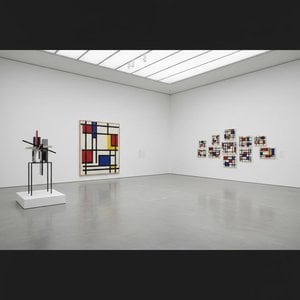
Explore the profound essence of Neoplasticism. Discover how Piet Mondrian and De Stijl masters used pure color and geometric form to redefine modern art. An essential guide for collectors seeking to understand the enduring power of abstract harmony and universal order.

 Предпросмотр
 Поделиться
 Поделиться
 Детали произведения

 Скачать
 Похожие работы
 Рентгенография
 Слайд-шоу
 Читать далее




































 Вариант со стеклом доступен только для размеров менее 110 см


