БЕСПЛАТНАЯ КОНСУЛЬТАЦИЯ ПО ВОПРОСАМ ИСКУССТВА

x
Заказать принт Заказать принтКупить цифровое изображение Купить цифровое изображение ПоделитьсяПоделиться
DetailsDetails Добавить в избранное Добавить в избранное СкачатьСкачать Похожие работыПохожие работы X-RayX-Ray Слайд-шоуСлайд-шоу

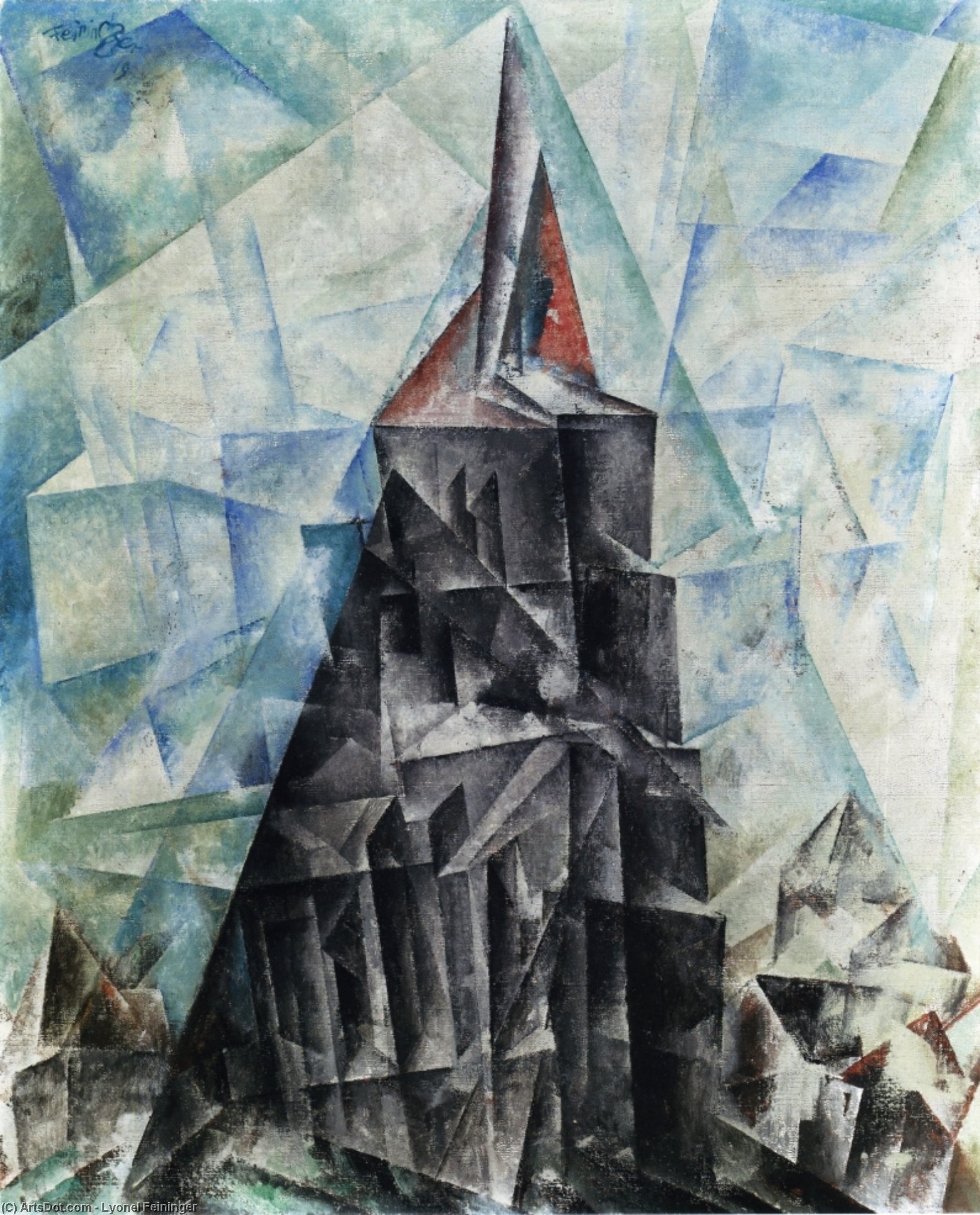
Umpferstedt

Льонель Феингера – немецко-американский экспрессионист и мастер Баухауса. Известен уникальным стилем, сочетающим кубизм, эстетику витражей и архитектурные мотивы. Его работы – это яркие картины моря, городские пейзажи и новаторские графические эксперименты.

Масляная репродукция ручной работы

Картина маслом на холсте в выбранном вами размере и раме, написанная на заказ нашими художниками.

Standard
custom
CM
INCH

Выберите один из наших стандартных размеров, соответствующих оригинальным пропорциям произведения искусства.

ширина
высота

Вы можете указать собственные размеры, чтобы картина идеально вписалась в выбранную раму или пространство. Если выбранный вами размер не соответствует пропорциям оригинала, мы либо обрежем полотно, либо расширим его за счет дополнительных элементов, написанных вручную. Цифровой макет будет отправлен вам на утверждение перед началом производства.
Обратите внимание, что предварительный просмотр на экране не отражает фактическую обрезку или расширение. Только макет точно покажет окончательную композицию.
Хотя доступны индивидуальные размеры, мы рекомендуем выбирать вариант из предопределенного списка, чтобы сохранить исходные пропорции.

Примеры того, что можно изменить: заменить лицо на фото клиента; добавить домашнее животное (например, заменить кошку на собаку); добавить скрытое послание на фон; изменить пейзаж или детали фона.
После оформления заказа команда WahooArt.com свяжется с клиентом по электронной почте для уточнения деталей и предоставит предварительный макет

Доставка по всему миру () за 3–4 недели вместо стандартных 5 недель. (2 Июль). Без компромиссов в качестве.

why_choose_icon
Бесплатная экспресс-доставка по всему миру
why_choose_icon
Высококачественный льняной холст
why_choose_icon
Полное страхование доставки
why_choose_icon
Гарантия возмещения таможенных пошлин
why_choose_icon
Гарантия точного соответствия цветов
why_choose_icon
Политика возврата в течение 60 дней (только при наличии дефектов)
why_choose_icon
Гарантия возврата 100% средств
why_choose_icon
Предложение оптовых скидок

Общая стоимость

-

reproduction

Umpferstedt

Техника репродукции

Размер репродукции

-

Итоговая стоимость

-

Похожие произведения


Биография художника

Lyonel Feininger: A Pioneer of Expressionism and Bauhaus Aesthetics

Lyonel Charles Adrian Feininger (1871 – 1956) stands as a monumental figure in the annals of modern art, embodying both German Expressionist fervor and the groundbreaking principles of the Bauhaus school. Born in New York City to German-American violinist Karl Feininger and singer Elizabeth Feininger—a lineage steeped in artistic heritage—his early life fostered an innate appreciation for creative pursuits. From a young age, he demonstrated exceptional musical talent, mastering violin and piano with remarkable proficiency. However, his formative years were irrevocably shaped by a profound encounter with European culture, specifically Germany, where he embarked on a transformative journey of intellectual and artistic exploration at the tender age of sixteen.

Early Education and Artistic Foundations

Feininger’s academic pursuits centered around music in Hamburg and Berlin, equipping him with a foundational understanding of harmonic principles and musical composition. Yet, it was his unwavering fascination with visual arts that propelled him toward a distinguished career as a draftsman and illustrator. Recognizing his innate aptitude for capturing emotion and conveying ideas through imagery—a characteristic that would define his artistic style—he diligently honed his skills in drawing and etching techniques. These formative experiences instilled within him an enduring conviction that art possessed the power to communicate profound truths about human experience.

Commercial Artistry and Comic Strip Innovation

Prior to dedicating himself entirely to fine art, Feininger established a thriving profession as a caricaturist for prominent German, French, and American publications. His satirical drawings—particularly “The Kin-der-Kids” and “Wee Willie Winkie’s World”—became instant sensations, captivating audiences with their whimsical humor and inventive visual language. These comic strips showcased Feininger's mastery of graphic storytelling and cemented his reputation as a charismatic entertainer. Simultaneously, he pursued commercial illustration projects, collaborating with diverse clients across various mediums—from posters to book illustrations—further expanding his artistic repertoire and honing his technical skills.

The Expressionist Breakthrough

A pivotal moment arrived in 1913 when Feininger joined Die Brücke, one of the most influential Expressionist groups operating in Germany at the time. This association marked a decisive shift toward exploring emotionally charged subjects and employing unconventional stylistic approaches—a hallmark of Expressionism’s core tenets. The group's commitment to conveying inner turmoil and confronting societal anxieties resonated deeply with Feininger’s artistic sensibilities, inspiring him to delve into themes of alienation, despair, and spiritual yearning. His canvases became imbued with vibrant hues and fractured forms, reflecting the turbulent spirit of the era and signaling his embrace of Expressionist aesthetics.

Bauhaus Influence and Architectural Vision

Walter Gropius’s founding of the Bauhaus school in Weimar in 1919 presented Feininger with an unparalleled opportunity to contribute to the burgeoning field of modern design. As the first faculty member—and Master Artist—he spearheaded the printmaking workshop, fostering a collaborative environment where students experimented with innovative techniques and challenged conventional artistic conventions. Feininger’s Bauhaus aesthetic was characterized by crystalline clarity, geometric precision, and a preoccupation with architectural forms—a stylistic legacy that would endure throughout his illustrious career. He envisioned buildings as symbols of human aspiration and technological progress, reflecting the Bauhaus school's optimistic outlook on the future.

Major Works and Artistic Legacy

Feininger’s oeuvre encompasses a remarkable range of artistic endeavors—from haunting marine paintings depicting the Baltic Sea to monumental murals adorning public spaces in New York City—each imbued with his distinctive vision and technical virtuosity. Notable masterpieces include “Werder I,” “Gaberndorf II,” and “Boats”—works that exemplify Feininger’s masterful manipulation of color, texture, and perspective. His photographic explorations captured the essence of urban life and documented significant cultural events, demonstrating his versatility as an artist and expanding his artistic horizons beyond painting. Furthermore, he composed piano pieces and fugues for organ—a testament to his multifaceted musical talent—enriching the cultural landscape of his time. Lyonel Feininger’s enduring influence on subsequent generations of artists continues to inspire awe and admiration, securing his place among the titans of modern art history.
Льонель Феингера

Льонель Феингера

1871 - 1956 , США

Основные сведения

  • Artistic Movement Or Style: Экспрессионизм
  • Artists Or Movements Influenced By This Artist: ['Баухаус']
  • Artists Who Influenced This Artist:
    • Ван Гог
    • Клод Моне
  • Date Of Birth: 1871-07-17
  • Date Of Death: 1956
  • Full Name: Lyonel Charles Adrian Feininger
  • Nationality: Американский/Немецкий
  • Notable Artworks:
    • Вердер I
    • Габерндорф II
    • Лодки
  • Place Of Birth: Нью Йорк, США