Биография художника
A Renaissance Master of Saxony: The Life and Art of Lucas Cranach the Elder
Lucas Cranach the Elder, родившийся в городе Кронахе, Германия, примерно в 1472 году, занимает ключевое место в истории немецкого Возрождения. Его жизнь разворачивалась во время эпохи глубочайших религиозных и политических потрясений, а его искусство неразрывно связано как с зарождающейся протестантской Реформацией, так и с роскошными дворами, где он служил. Изначально обученный своим отцом, Хансом Малером, раннее художественное развитие Крианаха окутано тайной, хотя в его стиле можно проследить влияния мастеров Южной Германии. Он быстро выделился не только как умелый мастер, но и как художник, способный передать психологическую глубину наряду с технической точностью – качества, которые вскоре привлекли внимание влиятельных покровителей. В 1504 году он поступил на службу к Фридриху III, электрору Саксонии, отношения с которым определили значительную часть его карьеры и предоставили ему стабильность и доступ к влиятельным кругам. Эта должность придворного художника в Виттенберге не была просто вопросом производства декоративных работ; она поместила Крианаха в самое сердце одной из самых трансформационных движений в европейской истории.
Patronage, Reformation, and Artistic Innovation
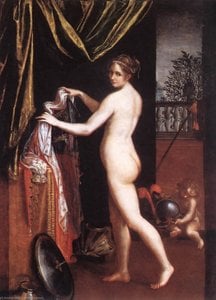
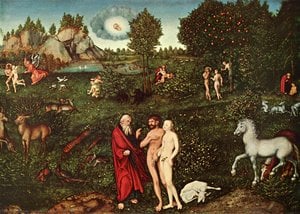
Положение Крианаха в саксонском дворе оказалось не только источником его дохода, но и важным фактором для развития его искусства. Он не просто документировал события; он активно формировал визуальные повествования во время периода глубоких перемен. Его наиболее долговечное наследие – это тесная связь с Мартином Лютером, центральной фигурой протестантской Реформации. Крианх создал не менее десяти портретов Лютера, каждый из которых предлагает уникальный взгляд на личность и эволюцию реформатора – качества, необходимые для лидера, бросающего вызов устоявшемуся религиозному порядку. Помимо портретов, Крианх создавал визуальные интерпретации Реформации, используя гравюры и картины, чтобы широко распространить протестантские идеи. Его изображения библейских сцен отошли от традиционной католической иконографии, подчеркивая непосредственное взаимодействие со Священным Писанием и способствуя более личному отношению к вере зрителю. Например, картина «Объявление Иоахиму» излучает радостный дух, отражая новый акцент на индивидуальную веру в реформированной церкви. Эта инновационная концепция распространялась не только на религиозные сюжеты; мифологические картины Крианха, такие как изображения Венеры и других классических фигур, часто содержали аллегорические значения, актуальные для современных политических и социальных проблем.
Style and Technique: A Workshop Dynasty
Лукас Крианх не был одиноким художником, работающим в изоляции. Он руководил весьма продуктивной мастерской, где трудились многочисленные помощники и ученики, которые внесли значительный вклад в его творчество. Этот совместный подход означал, что многие работы, приписываемые Крианху, на самом деле были созданы под его руководством или членами его круга. Мастерская Крианха стала известна своим характерным стилем: элегантные фигуры с удлиненными пропорциями, яркие цвета и тщательное внимание к деталям. Его техника включала в себя сочетание масляной живописи, гравюры и офортовки, позволяя ему достигать широкой аудитории как оригинальными произведениями искусства, так и доступными печатными изданиями. «Охота на оленей Фридриха III Великого» является ярким примером его мастерства в стиле Северного Возрождения, демонстрируя реалистичную детализацию наряду с благородной символикой. Композиция динамична, передавая энергию охоты, одновременно выражая власть и статус электрора. Использование света и тени создает ощущение глубины и атмосферы, вовлекая зрителя в сцену. Его портреты столь же убедительны, характеризуясь психологической проницательностью и утонченным исполнением.
Major Achievements and Historical Significance
Лукас Крианх умер в 1553 году, оставив за собой необыкновенное художественное наследие, которое продолжает резонировать сегодня. Он был мастером портрета, умелым интерпретатором религиозных тем и проницательным бизнесменом, который понимал силу визуальной коммуникации. Его работы не только отражают культурные и интеллектуальные течения его времени, но и помогли сформировать их. Мастерская Крианха продолжала процветать после его смерти, обеспечивая сохранение его стиля и техник для последующих поколений. Его влияние можно увидеть в работах многочисленных художников, последовавших за ним, и его картины остаются востребованными коллекционерами и музеями по всему миру. От знаковых портретов Мартина Лютера до увлекательных мифологических сцен Крианх изобразил мир немецкого Возрождения – мир, отмеченный глубокими духовными вопросами и художественным новаторством. Его способность сочетать религиозный фанатизм, политическую проницательность и художественный талант закрепил его место в качестве одного из самых важных художников своего времени, а его вклад продолжает вдохновлять и очаровывать зрителей спустя века.



 Примерить в интерьере
 Заказать репродукцию ручной работы
 Отправить
 Поделиться
 Подробнее
 Руководство

 Скачать
 Похожие объекты
 Рентгенография
 Слайд-шоу
 Статистика


 Развернуть текст






































 Вариант со стеклом доступен только для размеров менее 110 см