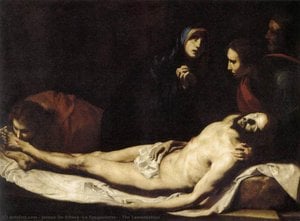
Получите файл, готовый к печати, качество которого значительно превосходит веб-превью. Каждое цифровое изображение в нашем каталоге создано на основе мастер-файла высокого разрешения — обычно шириной от 5 000 до 15 000 пикселей, — что позволяет вам уверенно печатать работы большого формата, использовать кадрирование или воспроизводить мельчайшие детали.
Ни один файл не покидает нашу студию без обработки. Эксперт по цифровой ретуши сверяет цвета с оригинальной картиной и при необходимости корректирует их, после чего повышает четкость и детализацию с помощью профессиональных инструментов — неизменно сохраняя верность мазкам кисти и стилю автора. В результате получается изображение, которое выглядит как подлинная живопись, а не как отсканированный снимок с наложенными фильтрами.
Вы одобряете результат до завершения заказа: наш эксперт отправит изображение по электронной почте в течение 72 часов для вашего ознакомления. Не удовлетворены результатом? Попросите внести правки или исправления, либо запросите возврат средств, если качество не соответствует ожиданиям.
Именно на это качество полагаются издательства, дизайн-студии, галереи и типографии.
Скачайте файл высокого разрешения для личного использования, печати и творческих проектов. ( Перейти к печатным копиям Купить картину ручной работы)
Выбирая WahooArt.com, вы получаете не просто изображение — вы приобретаете профессионально обработанное цифровое произведение искусства, созданное с безупречной точностью и под защитой гарантии качества. Вот всё, что автоматически входит в ваш заказ:
Ваш цифровой файл в высоком разрешении будет отправлен по электронной почте в течение 72 часов после оформления заказа и сразу станет доступен для использования.
Ваше произведение искусства проходит профессиональную оптимизацию с использованием передовых инструментов ИИ и ручной обработки, что гарантирует максимальную детализацию, четкость и точность цветопередачи.
Случайно удалили или потеряли файл? Не беспокойтесь — мы отправим его вам повторно в любое время и совершенно бесплатно.
Наслаждайтесь вашим произведением искусства мгновенно без таможенных пошлин, сборов или затрат на доставку — цифровые загрузки всегда не облагаются налогом.
Мы гарантируем максимально точное соответствие цветов цифрового изображения оригиналу благодаря использованию профессиональных инструментов и систем управления цветом.
Если вы не будете удовлетворены своим цифровым изображением, мы внесем правки или вернем 100% стоимости в течение 100 дней — без лишних вопросов.
Не удовлетворены покупкой? Мы вернем вам полную стоимость в течение 100 дней после получения цифрового файла — без лишних вопросов.
При покупке 3 изображений — скидка 10%; при покупке 5 — скидка 15%; от 10 изображений — скидка 20%. Отличное решение для творческих проектов, галерей и агентств.
Jusepe de Ribera's 1626 painting, *Drunken Silenus*, isn’t merely a depiction of a drunken reveler; it’s a visceral plunge into the heart of the Baroque era – a world saturated with drama, religious fervor, and a profound fascination with human vulnerability. Housed within the Museo di Capodimonte in Naples, this monumental canvas immediately commands attention with its stark contrasts of light and shadow, a signature technique known as tenebrism that Ribera honed to breathtaking effect. The scene unfolds against a dark, almost claustrophobic background, drawing the viewer’s eye relentlessly towards Silenus himself – a figure sprawled upon a simple cloth, his body rendered with an unflinching realism that borders on brutality. He's not idealized; he’s a man consumed by intoxication, his features distorted by wine-induced delirium, yet there’s a strange magnetism in his slumped posture and vacant gaze.
Ribera masterfully employs color to heighten the drama. Deep reds and browns dominate the palette, punctuated by flashes of gold and silver – the glint of the cup offered by a satyr, the shimmering wreath crowning Silenus’s head. This interplay of light and dark isn't simply aesthetic; it serves to emphasize the figure’s vulnerability and isolation within the chaotic energy of the surrounding group. The composition itself is deliberately unbalanced, mirroring the disequilibrium of Silenus’s state. The figures around him – a panoply of satyrs, maenads, and drunken revelers – are rendered with equally intense detail, each contributing to the painting's overall sense of unrestrained abandon.
Silenus himself is a figure steeped in Greek mythology. He’s not simply a drunkard; he’s Dionysus’s tutor, a companion who embodies the god’s wildness, his connection to nature, and his association with intoxication and ecstasy. Ribera cleverly adapts this mythological archetype for a Baroque audience, imbuing it with layers of symbolic meaning. The snake coiled at the bottom right, a recurring motif in Ribera's work, represents wisdom – a paradoxical element within the context of drunken revelry. The turtle to the right symbolizes laziness and sloth, further reinforcing the painting’s exploration of human weakness and indulgence.
Pan, the god of shepherds and wild nature, is depicted crowning Silenus with vines, a gesture that simultaneously celebrates his status as a divine figure and subtly mocks his drunken state. The shell he holds – a symbol announcing his death – adds another layer of morbid humor to the scene. The inclusion of these classical symbols within a secular setting speaks to the Baroque era’s fascination with blending religious and mythological themes, creating works that were both deeply spiritual and intensely worldly.
Ribera's mastery of technique is evident in every brushstroke. He employs a highly detailed, almost photographic realism, meticulously rendering the textures of skin, fabric, and foliage. However, it’s his use of tenebrism – the dramatic contrast between light and dark – that truly elevates *Drunken Silenus* to a masterpiece. Ribera doesn't simply paint; he sculpts with light, creating an illusion of depth and volume that draws the viewer into the scene. The strong chiaroscuro not only emphasizes the figures but also evokes a sense of drama and urgency.
The etching version of this painting, now held in the British Museum, demonstrates Ribera’s ability to translate his dramatic style to printmaking. The stark contrasts of light and shadow are even more pronounced in the etching, creating a powerful and immediate impact. The simplified forms and heightened detail further emphasize the emotional intensity of the scene.
Created in Naples during the Spanish rule of the city, *Drunken Silenus* is more than just a mythological painting; it’s a reflection of the social and cultural landscape of 17th-century Italy. Ribera's work often explored themes of poverty, suffering, and mortality – subjects that resonated deeply with the realities of life in Naples. The inscription on the painting itself—"Hic est Silenus, qui in Nipo diebat"—("Here is Silenus who lived in Naples")—is a deliberate act of claiming artistic ownership over the city, solidifying his position as one of its most significant cultural figures. *Drunken Silenus* remains a powerful testament to Ribera’s genius and a captivating window into the dramatic world of the Baroque.
Уровень популярности произведения «Drunken Silenus», Ло Спангелотто составляет Iconic.
Цвета произведения «Drunken Silenus» образуют Earthy палитру. Данная классификация описывает преобладающие цветовые группы.
Наиболее выразительным цветом в произведении «Drunken Silenus» является Phthalo Green (#1f1a14). Преобладающий цвет полезен при подборе произведения искусства к интерьеру.


1591 - 1652 , Испания
 Предпросмотр
 Поделиться
 Поделиться
 Детали произведения
 Руководство

 Скачать
 Похожие предметы
 Рентгенография
 Слайд-шоу
 Вопросы и ответы
 Статистика просмотров


 Читать далее