A Life Immersed in Light and Society
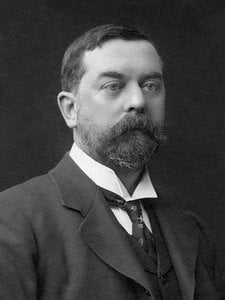
John Singer Sargent, имя, которое сегодня неразрывно связано с эпохой Розберри и ее блистательными портретами аристократии, был американским художником, который большую часть своей жизни посвятил совершенствованию своего таланта в европейском художественном мире. Родился в 1856 году во Флоренции, Италия, у американских эмигрантов – отца Фильбима и матери Мэри Ньюболд Саржента – его детство было далеко не обычным. Семейная жизнь, полная постоянных перемещений по Франции, Германии, Италии и Швейцарии, сформировала в юного Джона космополитическое мировоззрение и раннее знакомство с художественными сокровищами Европы. Вместо формального образования, его воспитание происходило в музеях и древних церквях, формируя визуальную грамотность, которая глубоко повлияла на его художеческое видение. Этот бродячий детский период, несмотря на отсутствие традиционной структуры, предоставил ему богатую культурную палитру, питающую его талант. Его отец, хирург, а мать – любительница живописи, заметили раннее наблюдательное чутье Джона и поощряли его увлечение искусством, признавая его исключительный дар. Уже в юном возрасте стало очевидно, что путь Джона лежит не в медицине или других традиционных профессиях, а в мире искусства.
From Parisian Atelier to Portrait Master
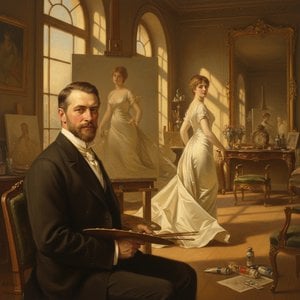
В 1874 году, в возрасте восемнадцати лет, Саржент начал ключевой этап своего художественного развития, поступив в парижскую студию Карлоса-Дюрана. Эта наставничество оказалась преобразующей. Подход Дюрана – *прямая живопись* – техника, отвергающая предварительные эскизы в пользу немедленного нанесения краски на холст – отточила уже впечатляющие технические навыки Саржента и внушила ему поразительную способность запечатлевать сходство с моделями быстро и точно. Это была революционная методика, поощрявшая смелость и спонтанность, и она стала отличительной чертой стиля Саржента. Он полностью усвоил уроки Дюрана, овладев искусством не только передачи физического облика, но и самой сущности своих моделей. Одновременно он посещал École des Beaux-Arts, дополнительно совершенствуя свои навыки рисования по копирам и живым моделям. Однако влияние испанских мастеров, таких как Веласкес, встреченное во время поездки в Испанию в 1879 году, пробудило в нем истинное художественное вдохновение. Он был очарован мастерством Веласкеса в использовании света, мазка и психологического проникновения – качествами, которые он стремился воспроизвести в своей работе. Он начал копировать его работы, изучая технику и композицию.
Navigating Fame, Scandal, and Artistic Evolution
Саржент быстро зарекомендовал себя как востребованного портретиста в Париже, привлекая заказы от элиты города. Однако его восхождение не обошлось без трудностей. Представление *Madame X* (Портрета виконтессы де Готрё) на Салоне 1884 года вызвало скандал, угрожавший подорвать его начинающую карьеру. Изображение светской дамы Вирджинии Авегно Готрё с ее бледной кожей, откровенной позой и упавшей лентой было воспринято парижским обществом как вызывающее и скандальное. Хотя Саржент впоследствии перерисовал ленту, ущерб был нанесен. Разочарованный скандалом, он переехал в Лондон в 1886 году, где встретил более благосклонную аудиторию для своих талантов. В Лондоне он продолжал писать портреты богатых и влиятельных людей, запечатлевая великолепие и социальную динамику Эдинбургской эпохи с непревзойденным мастерством. Тем не менее, художественные амбиции Саржента простирались далеко за пределы заказанных портретов. Он стремился к большей творческой свободе и все больше посвящал себя пейзажной живописи и пленэрным занятиям, принимая импрессионистический стиль, характеризующийся свободными мазками, яркими цветами и сосредоточением на передаче мимолетных моментов света и атмосферы. Эти пейзажи раскрывают другую сторону Саржента – менее заинтересованную в социальном статусе и более чуткую к красоте природы.
A Lasting Legacy: Beyond Portraiture
Хотя Саржента прославляют как «ведущего портретиста своего поколения», его художественное наследие выходит далеко за рамки его мастерских изображений представителей высшего света. Его основные работы, такие как *El Jaleo*, динамичное изображение испанских фламенко-танцоров, и *Carnation, Lily, Lily, Rose*, умиротворяющее изображение двух девочек в английском саду, демонстрируют его универсальность и техническое мастерство. Позднее в жизни он приступил к масштабным проектам по росписи, включая монументальный цикл в Бостонской публичной библиотеке, демонстрируя свою способность воплощать свое художественное видение на большом масштабе. Его влияние можно увидеть в творчестве последующих поколений художников, которые восхищались его техническим мастерством, смелыми мазками и способностью передавать не только физическое сходство, но и психологическую глубину. Переоткрытие его ранее недооцененных мужских ню в 1980-х годах еще больше расширило наше понимание художественного диапазона Саржента и раскрыло более сложного и нюансированного художника, чем ранее предполагалось. *Его картины продолжают очаровывать аудиторию во всем мире*, предлагая увлекательный взгляд на ушедшую эпоху, одновременно превосходя время благодаря своей непреходящей красоте и техническому совершенству. Он остается, несомненно, одним из самых значительных американских художников своего поколения, чье творчество продолжает вдохновлять и вызывать восхищение.
Influences and Artistic Kinships
- Carolus-Duran: Его учитель, который внушил ему технику прямой живописи и поощрил спонтанность.
- Diego Velázquez: Саржент глубоко восхищался мастерством Веласкеса в использовании света, мазка и психологического проникновения, особенно заметного в его испанских работах.
- Impressionism: Подход импрессионистов к передаче мимолетных моментов и атмосферы оказал значительное влияние на его пейзажные картины, приводя к более свободному, выразительному стилю.
- James Abbott McNeill Whistler: Саржент разделял с Уитмером интерес к эстетике и стремлению к “искусству ради искусства”, что повлияло на его подход к композиции и цвету.



 Предпросмотр
 Switch to Print
 Поделиться
 Поделиться
 Детали произведения

 Скачать
 Похожие работы
 Рентгенография
 Слайд-шоу
 Stats
Stats


 Читать далее






































 Вариант со стеклом доступен только для размеров менее 110 см