Предпросмотр Предпросмотр в AR Купить картину ручной работы Перейти к цифровым изображениям Поделиться
Детали произведения Руководство Добавить в избранное Скачать Похожие предметы Рентгенография Слайд-шоу Вопросы и ответы Скачать презентацию Статистика просмотров

Do not touch me

Discover 'Do not touch me,' a stunning religious scene reminiscent of Renaissance and Baroque art. Hand-painted reproduction capturing divine light, rich colors, and emotional depth. Perfect for art collectors.

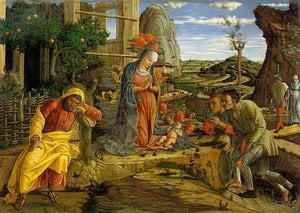
Якопо Тинторетто – великий художник Венеции, мастер драматических композиций и новаторского использования света. Его работы – «Il Furioso», «Поклонение пастырей» поражают динамизмом и эмоциональной силой.

Жикле и арт-принты

Печать (жикле) или холст музейного качества с быстрыми сроками изготовления и широким выбором вариантов отделки. ( Купить картину ручной работы Перейти к цифровым изображениям)

Corner sample of the P118B picture frame: формованный полистирол, 5 cm wide and 3 cm thick
P118B $10
Corner sample of the P118H picture frame: формованный полистирол, 5 cm wide and 3 cm thick
P118H $10
Corner sample of the P118W picture frame: формованный полистирол, 5 cm wide and 3 cm thick
P118W $10
Corner sample of the P438Z picture frame: формованный полистирол, 5.5 cm wide and 3.5 cm thick
P438Z $10
Corner sample of the P508JH picture frame: формованный полистирол, 7 cm wide and 3.5 cm thick
P508JH $12
Corner sample of the P508YH picture frame: формованный полистирол, 7 cm wide and 3.5 cm thick
P508YH $12
Corner sample of the P805H picture frame: формованный полистирол, 5 cm wide and 3.5 cm thick
P805H $10
Corner sample of the P805Z picture frame: формованный полистирол, 5 cm wide and 3.5 cm thick
P805Z $10
Corner sample of the P919BZ picture frame: формованный полистирол, 7 cm wide and 3.5 cm thick
P919BZ $10
Corner sample of the P919G picture frame: формованный полистирол, 7 cm wide and 3.5 cm thick
P919G $10
Corner sample of the P919XJ picture frame: формованный полистирол, 7 cm wide and 3.5 cm thick
P919XJ $10
Corner sample of the P959ZH picture frame: формованный полистирол, 5 cm wide and 3 cm thick
P959ZH $10
Corner sample of the P968JZ picture frame: формованный полистирол, 6 cm wide and 4 cm thick
P968JZ $12
Corner sample of the W106C picture frame: массив дерева, 5 cm wide and 3 cm thick
W106C $8
Corner sample of the W218G picture frame: массив дерева, 5 cm wide and 3 cm thick
W218G $10
Corner sample of the W218JH picture frame: массив дерева, 5 cm wide and 3 cm thick
W218JH $8
Corner sample of the W218Y picture frame: массив дерева, 5 cm wide and 3 cm thick
W218Y $10
Corner sample of the W307PJ picture frame: массив дерева, 6 cm wide and 3 cm thick
W307PJ $10
Corner sample of the W316G picture frame: массив дерева, 6 cm wide and 3 cm thick
W316G $10
Corner sample of the W316PJ picture frame: массив дерева, 6 cm wide and 3 cm thick
W316PJ $8
Corner sample of the W316Y picture frame: массив дерева, 6 cm wide and 3 cm thick
W316Y $10
Corner sample of the W398PJ picture frame: массив дерева, 5 cm wide and 3 cm thick
W398PJ $8
Corner sample of the W4111J picture frame: массив дерева, 6.5 cm wide and 3.5 cm thick
W4111J $10
Corner sample of the W500HY picture frame: массив дерева, 7 cm wide and 5 cm thick
W500HY $15
Corner sample of the W500JH picture frame: массив дерева, 7 cm wide and 5 cm thick
W500JH $15
Corner sample of the W692G picture frame: массив дерева, 8 cm wide and 4 cm thick
W692G $12
Corner sample of the W849H picture frame: массив дерева, 5 cm wide and 3 cm thick
W849H $8
Corner sample of the W940BG picture frame: массив дерева, 7.5 cm wide and 4.5 cm thick
W940BG $15
Corner sample of the W953PJ picture frame: массив дерева, 6 cm wide and 3.5 cm thick
W953PJ $8

Стандартный размер
на заказ
CM
INCH

Выберите один из наших стандартных размеров, соответствующих оригинальным пропорциям произведения искусства.

ширина
высота

Введите необходимую ширину и высоту, чтобы репродукция подошла к вашей раме или стене. При печати изображение можно только уменьшить, но нельзя увеличить больше оригинала, поэтому при выборе другого формата часть изображения может быть обрезана. Перед печатью мы отправим вам цифровой макет на утверждение. Изображение на этой странице не отображает реальную обрезку — ее можно увидеть только на макете.

Доставка по всему миру () за 2 недели вместо стандартных 4–5 недель. (9 Ноябрь)

Бесплатная экспресс-доставка по всему миру
Высококачественный льняной холст
Полное страхование при доставке
Гарантия возмещения таможенных пошлин
Гарантия точного цветового соответствия
100-дневная гарантия возврата (только при обнаружении дефектов)
Гарантия возврата 100% средств
Скидка при оптовом заказе

Итоговая стоимость

$ 69

Do not touch me

Жикле и арт-принты

Размер репродукции

-

Итоговая стоимость

$ 69

Основные сведения

  • artist: Tintoretto (Jacopo Comin)
  • year: Unknown
  • style: Renaissance/Baroque religious art
  • influences: Venetian Renaissance masters, classical religious iconography

Тест на знание искусства

В каждом вопросе только один правильный ответ.

Вопрос 1:
What biblical event is depicted in the artwork 'Do not touch me'?
Вопрос 2:
Which artistic style is most reminiscent of this religious scene?
Вопрос 3:
What technique is likely used in creating this highly detailed religious scene?
Вопрос 4:
Which element in the painting emphasizes the divine nature of the figures?
Вопрос 5:
What is the main emotional tone conveyed by this artwork?

Captivating Subject and Sacred Narrative

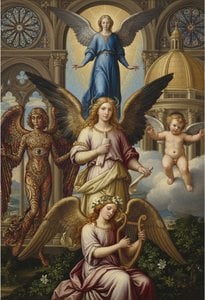
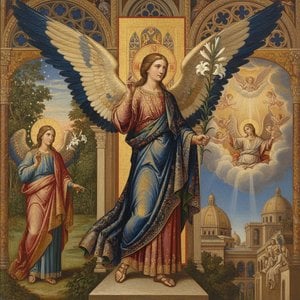
This exquisite artwork vividly captures a pivotal biblical moment, likely depicting the Annunciation, where the Angel Gabriel announces to the Virgin Mary that she will conceive the Savior. The scene is charged with divine reverence, emphasizing the sacred dialogue between heaven and earth. The figures are portrayed with expressive faces and realistic anatomy, conveying awe, reverence, and spiritual anticipation. Surrounded by angelic hosts and lush natural elements, the composition invites viewers into a moment of divine grace and spiritual awakening.

Masterful Style and Artistic Technique

Created in a style reminiscent of Renaissance or Baroque religious paintings, this piece showcases meticulous attention to detail, realism, and dramatic use of light and shadow. The artist employs oil painting techniques on canvas, allowing for subtle gradations of color and luminous effects that enhance the divine atmosphere. The rich, vibrant palette features warm golds, soft whites, and deep blues and reds, creating a harmonious balance that draws the eye to the central figures. The careful rendering of textures—from flowing drapery to delicate facial features—adds tactile richness and depth to the scene.

Historical Context and Artistic Significance

Although the exact date of creation remains unknown, the artwork embodies the spiritual and artistic ideals of the Renaissance and Baroque periods, emphasizing realism, emotional depth, and divine symbolism. Artists of this era sought to elevate religious themes through dynamic compositions and luminous effects, inspiring devotion and reflection. This piece aligns with those traditions, capturing a sacred moment with both technical mastery and profound spiritual resonance.

Symbolism and Spiritual Depth

Symbolic elements abound in this composition. The halos around the figures’ heads signify their holiness, while the angel reaching out symbolizes divine communication. The lush natural background symbolizes harmony between heaven and earth, reinforcing the spiritual message. The use of divine light emanating from an unseen source illuminates the scene, emphasizing the sanctity of the moment and inviting viewers to contemplate the divine presence. The emotional tone—reverence, wonder, and divine grace—evokes a deep spiritual connection, making this artwork a powerful focal point in any space.

Emotional Impact and Interior Inspiration

This highly detailed and emotionally charged religious scene offers more than visual beauty; it provides a spiritual experience that can inspire contemplation and serenity. Its luminous quality and rich symbolism make it an ideal centerpiece for religious institutions, private collections, or sophisticated interiors seeking a touch of divine elegance. Whether displayed in a living room, study, or sacred space, this artwork promises to evoke reverence, awe, and inspiration, elevating any environment with its timeless beauty and spiritual depth.

Вопросы и ответы

Насколько известно произведение «Do not touch me», Тинторетто?

Уровень популярности произведения «Do not touch me», Тинторетто оценивается как Iconic. Эта классификация отражает степень узнаваемости работы.

Можно ли скачать изображение «Do not touch me»?

Цифровой файл «Do not touch me», Тинторетто можно скачать на странице произведения Скачать цифровое изображение, выбрав вариант скачивание цифрового изображения в высоком разрешении.

Какое общее настроение передает «Do not touch me», Тинторетто?

Общее настроение «Do not touch me», Тинторетто — Dramatic. Это настроение передает общую атмосферу произведения.


Биография художника

A Venetian Master of Drama and Light

Jacopo Tintoretto, born Jacopo Robusti in Venice around 1518, remains one of the most compelling and enigmatic figures of the High Renaissance and early Baroque periods. His very nickname, “Tintoretto” – little dyer – speaks to his family’s trade, yet it belies the immense artistry that would distinguish him from all others. Unlike many artists who benefited from structured apprenticeships, Tintoretto's path was largely self-directed, fueled by an insatiable curiosity and a relentless drive for innovation. While accounts suggest a brief and unsuccessful stint under Titian, the acknowledged master of Venetian colorism, it seems the experience proved more contentious than formative. Titian’s alleged dismissal of the young Jacopo – whether due to jealousy or artistic disagreement – spurred Tintoretto toward an independent course, one characterized by audacious experimentation and a uniquely dynamic style. He immersed himself in anatomical study, reportedly through dissection, and honed his skills by meticulously copying classical sculpture and the works of other masters. This dedication laid the foundation for a career that would redefine Venetian painting.

Forging a Distinctive Style: *Il Furioso*

Tintoretto’s artistic development was marked by an almost feverish energy, earning him another evocative nickname: *Il Furioso* – “the Furious One.” This moniker wasn't merely descriptive of his working pace but also captured the intensity and emotional charge that permeated his canvases. His early works already hinted at a departure from traditional Venetian conventions. While acknowledging Titian’s influence in color, Tintoretto gravitated towards Michelangelo’s powerful figures and dramatic compositions. He synthesized these influences into something entirely new: a style characterized by elongated forms, swirling draperies, and an innovative use of perspective that often created a sense of dizzying depth and movement. He abandoned the meticulous finish favored by his contemporaries, opting instead for a rapid, almost sketch-like brushstroke that conveyed immediacy and raw emotion. This technique, combined with his masterful manipulation of light and shadow – *chiaroscuro* – allowed him to create scenes of unparalleled drama and psychological intensity. He wasn’t simply depicting events; he was conveying their emotional core. His compositions were often asymmetrical and dynamic, filled with a sense of movement and energy that seemed almost chaotic at first glance, but ultimately revealed a carefully orchestrated balance.

Monumental Achievements: San Rocco and Beyond

Tintoretto's prodigious output spanned decades, encompassing religious narratives, historical allegories, and portraits. However, his most significant achievement lies in the cycle of paintings he created for the Scuola Grande di San Rocco, a Venetian confraternity dedicated to Saint Roch. Over a period of more than fifty years, Tintoretto adorned the Scuola’s halls with over sixty canvases, transforming it into a breathtaking visual testament to faith and human experience. Works like “The Last Supper,” completed late in his life, demonstrate his continued experimentation with perspective and composition. Departing from traditional depictions, Tintoretto placed the scene in a dramatically lit, architecturally unstable space, emphasizing the emotional turmoil of Christ’s final meal with his disciples. Other notable works include “The Miracle of St Mark Freeing the Slave,” a powerful display of dynamic composition and foreshortening, and numerous paintings for Venetian churches and palaces that showcase his mastery of scale and narrative storytelling. These monumental projects cemented Tintoretto's reputation as one of Venice’s most important artists. He was known to work incredibly quickly, often finishing a painting in just a few days – a remarkable feat considering the scale and complexity of his works.

Influences and Artistic Connections

Tintoretto’s artistic journey was shaped by a complex interplay of influences. While he initially sought guidance from Titian, their relationship remained fraught with tension. Michelangelo's powerful figures and dramatic compositions undoubtedly served as a key inspiration, particularly in terms of anatomical accuracy and dynamic movement. The influence of classical sculpture is also evident in his elongated forms and carefully rendered draperies. Furthermore, Tintoretto’s work demonstrates a deep understanding of Venetian painting traditions, but he ultimately forged his own unique style that transcended these conventions. He was known to study the works of other masters, including Paolo Veronese, and his paintings often incorporate elements of Mannerism – characterized by elongated figures, complex compositions, and an emphasis on emotional expression. His contemporaries both admired and criticized his innovative approach, recognizing his genius while questioning his unconventional methods.

Legacy and Historical Significance

Jacopo Tintoretto died in Venice in 1594, leaving behind a vast and influential body of work. He bridged the gap between the High Renaissance and the Baroque period, anticipating many of the stylistic innovations that would define the latter. His dramatic compositions, expressive brushwork, and innovative use of light and shadow profoundly influenced artists such as Caravaggio, Rembrandt, and Delacroix. He wasn’t merely a painter; he was a visual storyteller who understood how to harness the power of art to evoke emotion and inspire awe. As one of the three great Venetian painters of the 16th century – alongside Titian and Paolo Veronese – Tintoretto played a crucial role in shaping the artistic landscape of Venice during its golden age. His work reflects not only the religious fervor and political tensions of his time but also a uniquely personal vision that continues to resonate with audiences today, solidifying his place as one of history’s most important and captivating artists. His legacy is a testament to the enduring power of artistic innovation and the transformative potential of human creativity.
Тинторетто

Тинторетто

1518 - 1594 , Италия

Об авторе

  • Artistic Movement Or Style: Ренессанс, Маньеризм
  • Artists Or Movements Influenced By This Artist:
    • Карваджио
    • Барокко
  • Artists Who Influenced This Artist:
    • Титян
    • Микеланджело
  • Date Of Birth: 1518
  • Date Of Death: 1594
  • Full Name: Jacopo Robusti
  • Nationality: Итальянский
  • Notable Artworks:
    • Чудо святого Марка
    • Последний ужин
    • Воскрешение Лазаря
  • Place Of Birth: Венеция, Италия
Откройте для себя произведения искусства, распределенные по темам, стилям и характеристикам.