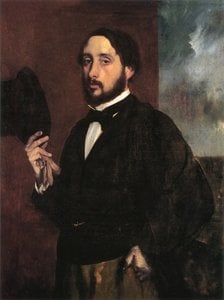
Один Жизнь, Полный Движения
Эдгар Дега, родившийся в Париже в 1834 году, был художником, чья жизнь и творчество представляли собой удивительное сочетание противоречий. Часто причисляемого к импрессионистам – Моне, Ренуару и другим революционерам живописи конца XIX века – он активно сопротивлялся этому термину, предпочитая идентифицировать себя как реалиста. Эта приверженность коренилась в его тщательном наблюдении за окружающим миром и преданности изображению его с непоколебимой честностью. Ранняя жизнь Деги была комфортной для буржуазии; его отец был банкиром, а мать происходила из креольской семьи Нового Орлеана. Этот фон предоставил ему доступ к образованию и художественному обучению, хотя он часто испытывал раздражение от академических ограничений. Изначально он поступил в Лицей Люи-ле-Гран, но его истинное образование началось, когда он начал копировать работы в Лувре, оттачивая навыки и разжигая страсть к классическому искусству на всю жизнь. Однако путь Деги не был строго последовательным в отношении традиций; это было отмечено постоянным вопрованием и переоценкой художественных норм. Он обладал независимым духом, который определял всю его карьеру.
За Пределами Импрессионизма: Уникальное Художественное Видение
В то время как современники, такие как Моне, преследовали мимолетные эффекты света на открытом воздухе, Дега в основном работал в стенах своей студии, тщательно конструируя сцены из наблюдений и памяти. Его тема была явно современной – отход от исторических или мифологических тем, которые предпочитали многие академические художники. Он находил вдохновение в повседневной жизни парижан: прачехах, певицами кабаре, фасонерщицам и, прежде всего, танцовщицам. Именно это увлечение балетом определило большую часть его наследия. Дега не просто рисовал красивые балерины; он запечатлевал изнурительную реальность их профессии – бесконечные репетиции, физическую нагрузку, мимолетные моменты грации среди мира тяжелой работы. Его композиции часто были необычными, изображая фигуры неожиданными способами и используя асимметричные узоры, создающие ощущение динамизма и непосредственности. Он был мастером изображения движения, не через размытые линии или туманные эффекты, а через тщательное наблюдение и аккуратное изображение формы. *«Танцовщица с маракасом», «Балетный класс»* и *«Женщины расчесывают волосы»* являются примерами его преданности изображению человеческой фигуры в движении и раскрытию сложностей современной жизни. Он не был заинтересован в поверхностной красоте; он стремился открыть правду под поверхностью.
Влияния и Художественное Развитие
Раннее образование Деги было сосредоточено на классических принципах, особенно на работе Жана-Огюста-Доминика Ингра, который подчеркивал мастерство черчения и точное изображение, оставив неизгладимый след в его творчестве. Однако Дега также восхищался реалистами, такими как Гюстав Курбе, которые бросали вызов академическим нормам и отстаивали изображение современной жизни. Переломным моментом в его развитии стал его знакомство с Камиллой Писсарро, ведущим импрессионистом, который представил ему других художников и поощрил эксперименты с новыми техниками. Он был очарован японскими гравюрами – *укиё-э*, которые повлияли на его использование асимметричных композиций, плоских перспектив и ярких узоров. Он также принял фотографию, признавая ее потенциал в качестве инструмента для изучения движения и запечатления мимолетных моментов времени. Эта готовность включать разнообразные влияния в свое творчество и создавать что-то совершенно новое отличает Дегу и способствует уникальному характеру его искусства. Он не боялся брать то, что было у других, синтезируя это во что-то новое.
Основные Достижения и Историческое Значение
Эдгар Дега умер в Париже в 1917 году, оставив после себя творчество, которое продолжает очаровывать и вдохновлять аудиторию сегодня. Его инновационный подход к композиции, его мастерство черчения и непоколебимое изображение современной жизни оказали глубокое влияние на ход истории искусства. Он проложил путь для будущих поколений художников, которые стремились освободиться от традиционных норм и исследовать новые способы представления окружающего мира. Его влияние можно увидеть в работах Пабло Пикассо и Эдуарда Мане. Музеи по всему миру – Орсэ и Орсе в Париже – хранят значительные коллекции его картин, пастелей, скульптур и гравюр, обеспечивая сохранение его наследия для будущих поколений. Дега не был просто художником танцоров или скакунов; он был проницательным наблюдателем человеческой природы, мастером формы и движения и истинным новатором, который переопределил возможности искусства.
- Мастер линии: Исключительное мастерство Деги в черчении отличало его от других.
- Современная жизнь как тема: Он сосредоточился на современных парижских сценах, отклоняясь от традиций.
- Влияние на будущих художников: Его работы оказали глубокое влияние на Пикассо и Мане.



 Предпросмотр
 Купить картину ручной работы
 Поделиться
 Поделиться
 Детали произведения

 Скачать
 Похожие работы
 Рентгенография
 Слайд-шоу
 Статистика

 Читать далее






































 Вариант со стеклом доступен только для размеров менее 110 см