


 Oil On CanvasWallArtNorthern Renaissance
 65.0 x 53.0 cm
Картина маслом на холсте в выбранном вами размере и раме, написанная на заказ нашими художниками. ( Купить принт Купить изображение)





























Выберите один из наших стандартных размеров, соответствующих оригинальным пропорциям произведения искусства.

Вы можете указать собственные размеры, чтобы картина идеально вписалась в выбранную раму или пространство. Если выбранный вами размер не соответствует пропорциям оригинала, мы либо обрежем полотно, либо расширим его за счет дополнительных элементов, написанных вручную. Цифровой макет будет отправлен вам на утверждение перед началом производства.
Обратите внимание, что предварительный просмотр на экране не отражает фактическую обрезку или расширение. Только макет точно покажет окончательную композицию.
Хотя доступны индивидуальные размеры, мы рекомендуем выбирать вариант из предопределенного списка, чтобы сохранить исходные пропорции.
Доставка по всему миру () за 3–4 недели вместо стандартных 5 недель. (7 Сентябрь). Без компромиссов в качестве.


The Conjuror
Размер репродукции
Hieronymus Bosch remains one of art history's most perplexing figures, an artist whose unsettling visions continue to captivate audiences centuries after his death in 1516. Born around 1450 in ’s-Hertogenbosch, Brabant—a region grappling with religious anxieties and burgeoning societal change—Bosch’s oeuvre defies easy categorization, presenting a landscape of grotesque figures, fantastical creatures, and meticulously rendered details that simultaneously repel and intrigue.
“The Conjurer,” painted circa 1502, exemplifies Bosch's distinctive style. Executed in oil on wood, the painting depicts a man dressed in scarlet robes standing beside a table laden with symbolic objects: a tennis racket, a bowl containing fruit, a wine glass, and two clocks—one positioned prominently near the upper left corner, the other lower right.
The symbolism embedded within “The Conjurer” is multilayered and profoundly disturbing. The tennis racket represents manipulation and deceit—a tool wielded by the conjurer to control his audience. The fruit symbolizes temptation and decay, mirroring Bosch’s preoccupation with themes of mortality and corruption. Crucially, the clocks serve as potent reminders of time's relentless passage and the inevitability of judgment.
More than just a visual spectacle, “The Conjurer” operates on an emotional level, provoking feelings of unease and apprehension. Bosch’s masterful use of color—particularly scarlet—intensifies the painting’s unsettling atmosphere, drawing viewers into a realm where rationality yields to irrationality and beauty is subsumed by grotesquery. It's a work that compels contemplation, prompting us to confront uncomfortable truths about human nature and the perils of spiritual complacency.
Ultimately, Bosch’s “The Conjurer” transcends its historical context, resonating with viewers across generations due to its enduring exploration of fundamental anxieties concerning faith, morality, and the human condition. It stands as a cornerstone of Northern Renaissance art—a chilling reminder that beauty can coexist with terror and that true understanding requires venturing beyond the confines of conventional perception.


1450 - 1516 , Нидерланды
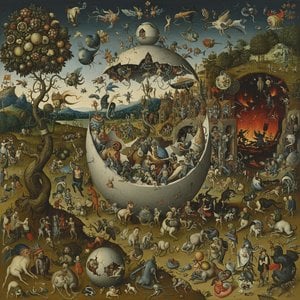
Погрузитесь в мир гения Иеронима Босха! 25 культовых картин нидерландского Ренессанса, полных символизма и фантастических образов. Узнайте историю создания шедевров и найдите идеальную репродукцию для вашего интерьера на WahooArt.com.

Explore the captivating world of Hieronymus Bosch! Delve into the symbolism, religious context, and artistic innovation of this Netherlandish master with WahooArt's expert analysis. Discover his iconic paintings & lasting influence.

Explore the captivating world of Magic Realism! Discover its origins, key artists like García Márquez & Colunga Marín, and how it blends reality with the fantastical. Expert insights & high-quality art reproductions at WahooArt.

Погрузитесь в мир шедевров Прадо! От Веласкеса до Гойи – история искусства Испании, барокко и знаменитые картины. Купите репродукции высокого качества для вашего интерьера на WahooArt.com.
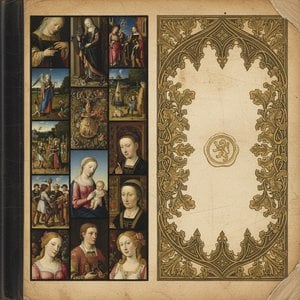
Погрузитесь в мир Раннего нидерландского живописи! Откройте 10 шедевров Яна ван Эйка, Рогира ван дер Вейдена и других мастеров. История искусства, техника исполнения и вдохновение для вашего интерьера на WahooArt.com.

 Предпросмотр
 Поделиться
 Поделиться
 Детали произведения

 Скачать
 Похожие работы
 Рентгенография
 Слайд-шоу
 Читать далее







 Вариант со стеклом доступен только для размеров менее 110 см


