Жизнь, погруженная в цвет: мир Анри Матисса
Анри Эмиль Бенуа Матисс, родившийся 31 декабря 1869 года в небольшом северном французском городке Като-Камбрези, не был предопределен к жизни, пропитанной пигментом и формой. Изначально он изучал право в Париже после окончания школы, но его путь резко изменился после приступа аппендицита в 1889 году. Ограниченный выздоровлением, он открыл скрытую страсть, зажженную простым актом рисования набором художественных принадлежностей, подаренных матерью. Это было не просто отвлечение внимания; это было откровение — поворотный момент, который направил его прочь от юридических документов и к миру, где цвет стал его языком, а холст — его владением. Выросший в Боэне-ан-Вермандуа, сын торговцев зерном, Матисс изначально казался маловероятным кандидатом на богемную жизнь художника, однако семя было посеяно, взращено периодом выздоровления и расцветшим посвящением всей жизни. Он поступил в Академию Жюлиана, а затем в Национальную школу изящных искусств, где изучал под руководством Вильяма-Адольфа Бугро и Гюстава Моро, усваивая классические техники, которые послужили основой для его будущих инноваций. Ранние работы отражали это академическое обучение, демонстрируя мастерство, но не хватало отличительного голоса, который вскоре должен был определить его.
Рассвет фовизма и смелые эксперименты
Поворотным моментом стало прибытие в 1896 году в Белль-Иль с австралийским художником Джоном Расселом. Эта встреча оказалась преобразующей. Рассел познакомил Матисса с ярким миром импрессионизма и, что более важно, с эмоционально заряженными полотнами Винсента Ван Гога. Влияние было глубоким. Экспрессивное использование цвета Ван Гогом разрушило прежнюю сдержанную палитру Матисса, побудив его к смелому, более субъективному подходу. Он начал отказываться от земляных тонов, принимая оттенки, которые резонировали с чувствами, а не со строгим представлением. Это исследование кульминировалось в появлении фовизма около 1905 года — движения, лидером которого стал Матисс. Само название, означающее «дикие звери», изначально было презрительным, присвоенным критиком шокирующим ярким и нереалистичным картинам группы, представленным на Осеннем салоне.
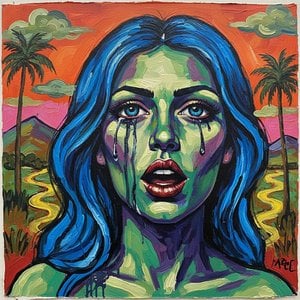
Матисс, вместе с такими художниками, как Андре Деран и Морис де Вламинк, отстаивал интенсивный цвет как независимый элемент выражения, упрощая формы для усиления его воздействия. Картина «Тыквы» (1905) является примером этого стиля — буйство красных, зеленых и желтых цветов, примененных со свободой, игнорирующей традиционную перспективу и миметическую точность. Ключевые характеристики включали интенсивно насыщенные палитры, упрощенные формы, выразительные мазки кистью и сознательное отклонение от общепринятого представления в пользу эмоционального резонанса.
Уточнение и декоративная гармония
После первоначального пыла фовизма стиль Матисса претерпел тонкую, но значительную эволюцию. Хотя он никогда не отказывался от своей любви к цвету, его работа стала более изысканной, склоняясь к декоративной эстетике, которая подчеркивала упрощенные формы и сложные узоры. Он исследовал темы досуга, домашней жизни и человеческой фигуры в спокойной обстановке, создавая композиции, которые казались одновременно гармоничными и эмоционально резонансными. Переезд в Ниццу на Французскую Ривьеру в 1917 году еще больше повлиял на этот сдвиг, наполнив его работы чувством безмятежности и классического баланса. Он начал сосредоточиваться на создании сред — картин, скульптур и декоративных предметов — которые окутывали зрителя атмосферой красоты и спокойствия. В этот период он экспериментировал с различными медиа, включая керамику и текстиль, расширяя свое художественное видение за пределы традиционного холста. Он не просто изображал сцены; он строил миры, предназначенные для вызова конкретного эмоционального ответа.
Поздние годы: инновации через ограничения
Когда ухудшение здоровья ограничило способность Матисса рисовать обычным способом, он отправился в необыкновенную новую главу своего художественного путешествия — создание бумажных коллажей или *декупажей*. Начавшись примерно в 1947 году, эти работы родились из необходимости. Ограниченный инвалидным креслом, он не мог физически стоять и рисовать, но все еще мог манипулировать бумагой ножницами. То, что началось как практическое решение, превратилось в новаторскую художественную технику. Он раскрашивал большие листы бумаги яркими цветами, затем вырезал из них фигуры — органические формы, листья, фигуры — и располагал их на холсте, создавая композиции, которые были одновременно динамичными и обманчиво простыми. Эти *декупажи* не были просто заменой живописи; они представляли собой новый способ мышления о цвете, форме и композиции. Они продолжили его изучение этих элементов на протяжении всей жизни, демонстрируя непреходящее художественное видение даже перед лицом физических ограничений.
- Техника вырезания бумаги позволила ему достичь чистоты формы и цвета, которую было трудно получить с помощью краски.
- Эти работы часто ссылались на более ранние темы и мотивы из его картин, но представляли их в свежей и новаторской форме.
- Они продемонстрировали его способность адаптироваться и развиваться как художник на протяжении всей своей карьеры.
Наследие: влияние Матисса на современное искусство
Анри Матисс умер в Ницце в 1954 году, оставив после себя корпус работ, который продолжает вдохновлять и очаровывать публику во всем мире. Его влияние на мир искусства неоспоримо; он бросил вызов общепринятым представлениям о представлении, отстаивал выразительную силу цвета и проложил путь будущим поколениям художников. Часто рассматриваемый вместе с Пабло Пикассо как одна из самых влиятельных фигур в искусстве 20-го века, Матисс фундаментально сформировал модернизм.
Матисс' наследие выходит за рамки его произведений искусства — оно охватывает философию празднования радости, красоты и преобразующего потенциала цвета. Он не просто рисовал то, что видел; он создавал эмоциональный опыт для зрителя, приглашая его разделить свое видение мира, залитого светом и яркими оттенками. Влияние Матисса можно увидеть в бесчисленных работах художников из различных дисциплин, укрепив его место настоящего мастера современного искусства — художника, который осмелился видеть мир не таким, какой он есть, а каким он мог бы быть, наполненным цветом, гармонией и безграничными возможностями.



 Примерить в интерьере
 Переключиться на печать
 Отправить
 Поделиться
 Подробнее
 Руководство

 Скачать
 Похожие объекты
 Рентгенография
 Слайд-шоу
 Статистика


 Развернуть текст






































 Вариант со стеклом доступен только для размеров менее 110 см