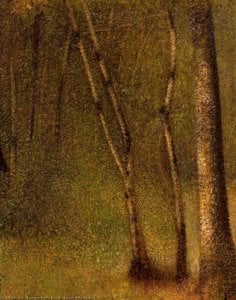
Получите файл, готовый к печати, качество которого значительно превосходит веб-превью. Каждое цифровое изображение в нашем каталоге создано на основе мастер-файла высокого разрешения — обычно шириной от 5 000 до 15 000 пикселей, — что позволяет вам уверенно печатать работы большого формата, использовать кадрирование или воспроизводить мельчайшие детали.
Ни один файл не покидает нашу студию без обработки. Эксперт по цифровой ретуши сверяет цвета с оригинальной картиной и при необходимости корректирует их, после чего повышает четкость и детализацию с помощью профессиональных инструментов — неизменно сохраняя верность мазкам кисти и стилю автора. В результате получается изображение, которое выглядит как подлинная живопись, а не как отсканированный снимок с наложенными фильтрами.
Вы одобряете результат до завершения заказа: наш эксперт отправит изображение по электронной почте в течение 72 часов для вашего ознакомления. Не удовлетворены результатом? Попросите внести правки или исправления, либо запросите возврат средств, если качество не соответствует ожиданиям.
Именно на это качество полагаются издательства, дизайн-студии, галереи и типографии.
Скачайте файл высокого разрешения для личного использования, печати и творческих проектов. ( Перейти к печатным копиям Купить картину ручной работы)
Выбирая WahooArt.com, вы получаете не просто изображение — вы приобретаете профессионально обработанное цифровое произведение искусства, созданное с безупречной точностью и под защитой гарантии качества. Вот всё, что автоматически входит в ваш заказ:
Ваш цифровой файл в высоком разрешении будет отправлен по электронной почте в течение 72 часов после оформления заказа и сразу станет доступен для использования.
Ваше произведение искусства проходит профессиональную оптимизацию с использованием передовых инструментов ИИ и ручной обработки, что гарантирует максимальную детализацию, четкость и точность цветопередачи.
Случайно удалили или потеряли файл? Не беспокойтесь — мы отправим его вам повторно в любое время и совершенно бесплатно.
Наслаждайтесь вашим произведением искусства мгновенно без таможенных пошлин, сборов или затрат на доставку — цифровые загрузки всегда не облагаются налогом.
Мы гарантируем максимально точное соответствие цветов цифрового изображения оригиналу благодаря использованию профессиональных инструментов и систем управления цветом.
Если вы не будете удовлетворены своим цифровым изображением, мы внесем правки или вернем 100% стоимости в течение 100 дней — без лишних вопросов.
Не удовлетворены покупкой? Мы вернем вам полную стоимость в течение 100 дней после получения цифрового файла — без лишних вопросов.
При покупке 3 изображений — скидка 10%; при покупке 5 — скидка 15%; от 10 изображений — скидка 20%. Отличное решение для творческих проектов, галерей и агентств.

Born in 1971 in the historic landscape of Suffolk, United Kingdom, Gillian Carnegie has emerged as a profound voice in contemporary British painting. Her artistic journey, rooted in the rigorous traditions of the Camberwell School of Art and the Royal College of Art, is a masterclass in the tension between classical technique and modern experimentation. Carnegie does not merely paint; she constructs surfaces that demand a tactile engagement from the viewer. By working within established categories such as still life, landscape, and portraiture, she simultaneously honors the lineage of the masters while unsettling the very foundations of representational art through her radical approach to materiality.
The essence of Carnegie’s work lies in its remarkable physical presence. She is renowned for a technique characterized by sculptural impasto, where layers of oil paint are built up with such density that the canvas transforms into a relief. This heavy application of pigment creates palpable ridges and crevices, turning a flat image into a three-dimensional topography. In her celebrated Black Square series, this method reaches its zenith; here, the dense accumulations of black oils coalesce to form mysterious, shadowy thickets that evoke the feeling of deep, impenetrable woodlands. Through this meticulous tonal layering, she achieves an atmospheric resonance that blurs the line between what is seen and what is felt.
Carnegie’s creative evolution was significantly shaped by her dialogue with the giants of abstraction and materiality. The influence of Gerhard Richter is evident in her sophisticated manipulation of tonal gradations and the way she utilizes subtle shifts in color to create a sense of blurred, ephemeral edges. This allows her landscapes to breathe with an atmospheric depth that transcends literal depiction. Furthermore, the monumental and symbolic weight of Anselm Kiefer’s work provided a crucial catalyst for her exploration of history and memory. From Kiefer, she learned to imbue her compositions with layers of meaning, treating the canvas as a site where texture serves as a vessel for psychological complexity and historical echoes.
This synthesis of influences allows Carnegie to move beyond mere observation. Her work is an investigation into the emotional response triggered by the natural world. Whether she is capturing the vibrant contrast of fruit in Mono or the brooding shadows of her more abstract landscapes, her goal remains the same: to convey a mood that lingers long after the initial gaze. She invites the viewer to experience the painting not just as an object of sight, but as an encounter with texture and emotion.
The art world took significant notice of Carnegie’s transformative approach during a pivotal moment in 2005, when she was nominated for the prestigious Turner Prize. Her inclusion on the shortlist at Tate Britain caused quite a stir; the media famously reacted to her traditional subject matter—such as flowers and still lifes—with a mixture of surprise and skepticism, yet it was precisely her subversive use of the medium that marked her as a true innovator. This period solidified her reputation as an artist capable of challenging the established languages of painting from within.
Throughout her career, Carnegie has maintained a presence in some of the most esteemed institutions, with her works held in the Tate Collection and the Arts Council Collection. Her contributions to exhibitions like Painting Now: Five Contemporary Artists at Tate Britain further underscore her significance in the contemporary canon. As she continues to explore the intersections of landscape, memory, and the physical properties of oil paint, Gillian Carnegie remains a vital figure, reminding us that the most profound truths are often found within the thickest layers of paint and the deepest shadows of the canvas.

1971 -
 Предпросмотр
 Поделиться
 Поделиться
 Детали произведения
 Руководство

 Скачать
 Похожие предметы
 Рентгенография
 Слайд-шоу
 Вопросы и ответы
 Статистика просмотров
 Читать далее